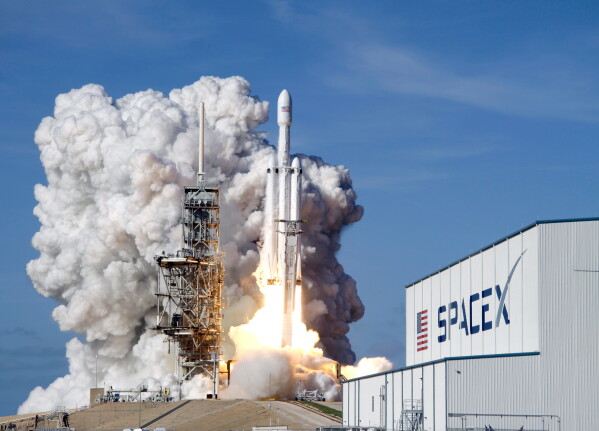
Elon Musk’s rocket company, SpaceX, is set to enter Wall Street on Friday, launching its initial public offering (IPO) with 555.6 million shares priced at $135 each. With this move, Musk, already the world’s wealthiest individual, inches closer to potentially becoming the first trillionaire. The IPO could raise about $75 billion, marking it as potentially the largest ever.
Why SpaceX Is Going Public Now
During a video conference on Musk’s social media platform X, he discussed with JPMorgan CEO Jamie Dimon the decision to make SpaceX public. For the past decade, many suggested this move. The timing aligns with SpaceX’s plan to launch 100,000 next-generation Starlink satellites. Musk emphasized the need for capital to deploy AI data centers in space, a significant growth area.
Making SpaceX a public entity allows it to raise necessary capital. However, it also subjects the company to increased shareholder scrutiny and regulatory oversight. This includes a requirement to file quarterly financial reports, which, critics argue, may encourage short-term strategies over long-term planning. Regulators are considering reducing this obligation to biannual reports, seeking public input on the proposal.
Impact of the IPO on SpaceX
Musk will retain control with a special class of shares, allowing him to influence company strategy, finances, and personnel decisions. Due to this, Musk is the sole authority who can decide his fate as CEO. SpaceX credits him as the pivotal figure behind its achievements. The company acknowledges the challenge of replacing Musk if needed, warning that his absence could hinder strategy execution and damage relationships with stakeholders.
Concerns have arisen from some large investors, including pension funds for California and New York workers. They criticized IPO aspects like the ‘super voting shares’ and mandatory arbitration of shareholder claims, which give Musk substantial control over SpaceX.
Challenges and Opportunities Ahead for SpaceX
The reusable Starship rocket remains crucial for SpaceX’s commercial space objectives. Success depends on developing fully reusable technology for frequent, cost-effective launches. Failing to do so could extend timelines and increase costs, potentially losing customers. Despite its leadership in reusable rockets, SpaceX faces competition from companies like Jeffrey Bezos’s Blue Origin.
The Starlink satellite initiative competes with entities such as AST SpaceMobile, which is using a SpaceX rocket to deploy its new satellite generation soon. SpaceX’s prospectus identifies artificial intelligence products for business transformation as a major potential market, estimating a worth of $22.7 trillion. SpaceX aims to compete with leaders like Anthropic, OpenAI, and Microsoft, but the path to profitability for the xAI business remains unclear.
Wall Street’s Interest in SpaceX
A successful SpaceX IPO might propel the stock into the Nasdaq 100, a key index of major non-financial companies. Funds like the $460 billion QQQ exchange-traded fund, which replicates the index, would automatically acquire SpaceX shares. Nasdaq’s updated rules allow companies quicker entry into the index. However, S&P Dow Jones Indices maintains traditional entry thresholds, requiring a year’s trade before potential inclusion in its S&P 500 index. The S&P 500 holds significant influence on Wall Street, with considerable investments tracking or benchmarking against it. For instance, Vanguard’s VOO fund, following the S&P 500, manages approximately $950 billion in assets.
 U.S. Stocks Recover Amid Oil Price Cooldown
  Navigating Interest Rate Hikes: Where Savers Should Stash Their Cash
  Kevin Warsh’s Approach to Inflation Control
  Nike Stock Plunges as Company is Dropped from S&P 100
  Nike Faces Criticism from Investor Over Activist Stance
  Maximizing Returns: The Benefits of a 3-Year $100,000 CD Account