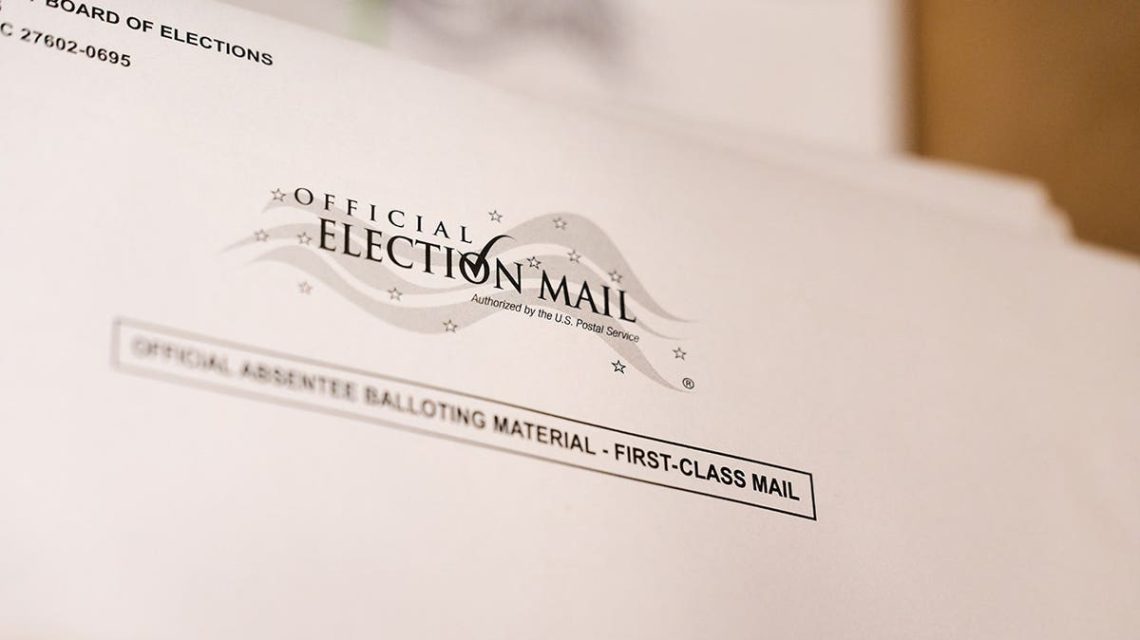
Fox News legal editor Kerri Urbahn recently appeared on ‘Fox & Friends’ to discuss the lawsuits filed by 24 states and Washington, D.C. against the United States Postal Service over mail-in voting rules. The lawsuits focus on a Supreme Court decision and agency rules that require barcodes on mail-in ballots.
The Trump administration has filed an appeal with the Supreme Court to enforce restrictions on mail ballots. This appeal comes as states begin to receive ballots for the midterm elections. The filing requests the high court to stay a preliminary injunction issued by U.S. District Court Judge Indira Talwani. This injunction halts the enforcement of several requirements for ballot mail.
“Ballots have already begun to be mailed in North Carolina, and more states will begin the process as the injunction remains in place,” wrote Solicitor General John Sauer, citing Alabama and others starting soon.
Sauer warned that the injunction could cause “confusion and chaos” since preparations to comply with the Postal Service rule are currently voluntary. The administration claims the rule is a legitimate use of authority given by Congress to the Postal Service and does not regulate federal elections but rather the U.S. Mail.
The Postal Service rule mandates that election ballots mailed use envelopes with the Election Mail logo, follow automation requirements, and include unique barcodes. State officials must submit designs for envelopes for review and share information about intended ballot recipients to the Postal Service. This is intended to improve ballot handling and delivery and prevent voter fraud.
However, the rule does not give the Postal Service the power to decide mail voting eligibility or ballot counting, which remains with state and local officials. Democratic-led states and voting rights groups argue these changes are unconstitutional and claim there’s insufficient time to adapt systems before the elections.
The administration disputes these claims, arguing Congress gave broad authority to regulate mail delivery. It says the rule does not affect ballot content, voter eligibility, election deadlines, or ballot counting processes.
This is the third time the administration has called on the Supreme Court to intervene in this issue. While the court has previously allowed the plan to move forward, it has not yet decided on the legality of the restrictions.
This legal battle holds significant potential to impact the upcoming elections, where control of Congress is a major focus. Currently, nearly one-third of U.S. voters cast ballots by mail.
 Sen. Cotton Opposes Permanent Daylight Saving Time
  Steve Hilton’s Latino Outreach and Gubernatorial Ambitions
  The Need for Reform in Presidential Nominations
  Controversy Surrounds Performances at Gillette Stadium
  Celebrity Controversies Over Political Activism and Speech
  Trump Pushes for Permanent Daylight Saving Time, Sharing Senator’s Contact Information