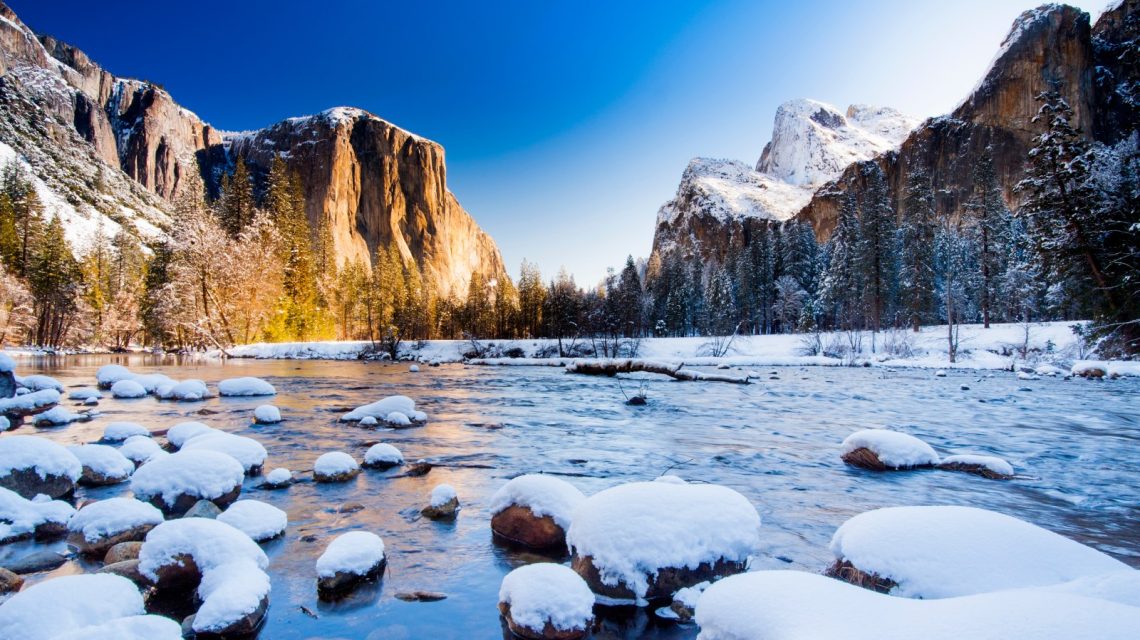
A potentially historic Super El Niño could dramatically alter conditions in some of America’s most visited national parks, reshaping everything from waterfalls and snowpack to flooding and visitor experiences.
Forecasters predict a high probability that the developing El Niño will strengthen into a “very strong” event this fall and winter. This category is often informally termed a super El Niño. These events can shift storm tracks across North America, creating wetter conditions in parts of the South and Southwest while leaving some northern regions warmer than usual.
What Is Super El Niño?
A super El Niño is an unofficial term for a very strong El Niño event, where sea surface temperatures in the central and eastern equatorial Pacific rise more than about 2 degrees Celsius above average. These surges significantly alter weather patterns globally. Such rare events can amplify impacts like flooding, drought, and changes in storm tracks across the United States.
National Parks Affected By Super El Niño
While a potential super El Niño might pose challenges for travelers, not all its effects on America’s national parks would be negative. Increased rainfall and snowfall could rejuvenate drought-stricken areas, enhance waterfalls in parks like Yosemite, and create excellent snow conditions in the Rockies. Nonetheless, the weather pattern might bring hazards such as flooding and landslides in the Southwest and California.
Yosemite National Park
Yosemite in California’s Sierra Nevada could experience significant changes. The Sierra Nevada often benefits from stronger El Niño winters, receiving substantial precipitation. AccuWeather forecaster Paul Pastelok indicated that California mountains are prone to frequent storm systems during traditional El Niño patterns.
While this moisture is advantageous for spring and summer travelers, picturesque rivers, excellent fishing opportunities, and pleasant camping, Pastelok warned that flooding and mudslides might endanger travelers during colder seasons. “Be cautious when planning late-season trips,” he advised.
Sequoia National Park
The giant sequoias of California’s southern Sierra Nevada could experience mixed outcomes. A wetter winter would provide needed moisture to forests, potentially alleviating stress from drought-induced challenges. However, abundant rain can lead to increased runoff and infrastructure damage.
Pastelok highlighted “positive returns” possible in Sequoia National Park akin to those in Yosemite, with spring and summer improvements.
Rocky Mountain National Park
Located in Colorado, the park’s susceptibility to El Niño influences is less certain than in California. Pastelok noted the central Rockies can sometimes find themselves in storm pathways, yet occasionally miss active storm tracks. He expects “decent snow” this season across parts of the Rockies.
This prediction could result in deeper snow cover, picturesque alpine scenery, and increased spring water supply. However, more winter travel disruptions and road closures may occur.
Everglades National Park
South Florida may face different impacts. El Niño winters often bring increased moisture and severe weather risks to Florida. Pastelok suggested stronger storms and tornado threats in northern sections of the state.
In the Everglades, higher water levels and healthier wetlands may be witnessed, while prolonged wet periods could affect recreation. Visitors could encounter frequent rain and changing water conditions.
Yellowstone National Park
Yellowstone might be on the dividing line of competing weather patterns. Strong El Niño events generally lead to warmer-than-average winter conditions across the northern U.S., influencing snowfall totals.
This could affect wildlife, river flow, and accessibility to popular park attractions during warmer winters. Iconic geothermal landscapes might look notably different with reduced snow.
Glacier National Park
Glacier National Park could experience visibly milder winter temperatures and reduced snow accumulation. Warmer conditions might accelerate snowmelt, further highlighting landscape transformations in a park already grappling with climate-driven changes.
Visitors may notice changing snow conditions, altered hiking seasons, and differing wildlife patterns.
Understanding La Niña
La Niña is the opposite of El Niño, occurring when central and eastern tropical Pacific Ocean sea surface temperatures become cooler than average. This climate pattern can shift weather globally, often bringing cooler, wetter conditions to some areas.
Possible Future Changes
Scientists emphasize that no two El Niño events are identical, and park-level impacts rely on pattern evolution through fall and winter. Nevertheless, a very strong El Niño could reshape landscapes countrywide, potentially altering America’s most famous national parks.
Park visitors might find travel experiences noticeably different from typical expectations.
 Marine Veteran Suing Oregon School District Over Curriculum Reimbursement
  Tennessee Execution Halted as Issues Persist with Lethal Injection Protocol
  Atlantic Ends September Without a Hurricane for First Time Since 1994
  Bobcat Sightings and Conservation Efforts in Illinois
  2026 El Niño: A Historical Comparison and Future Projections
  Judge Dismisses Case Against Former Olympian Over Lincoln Memorial Incident