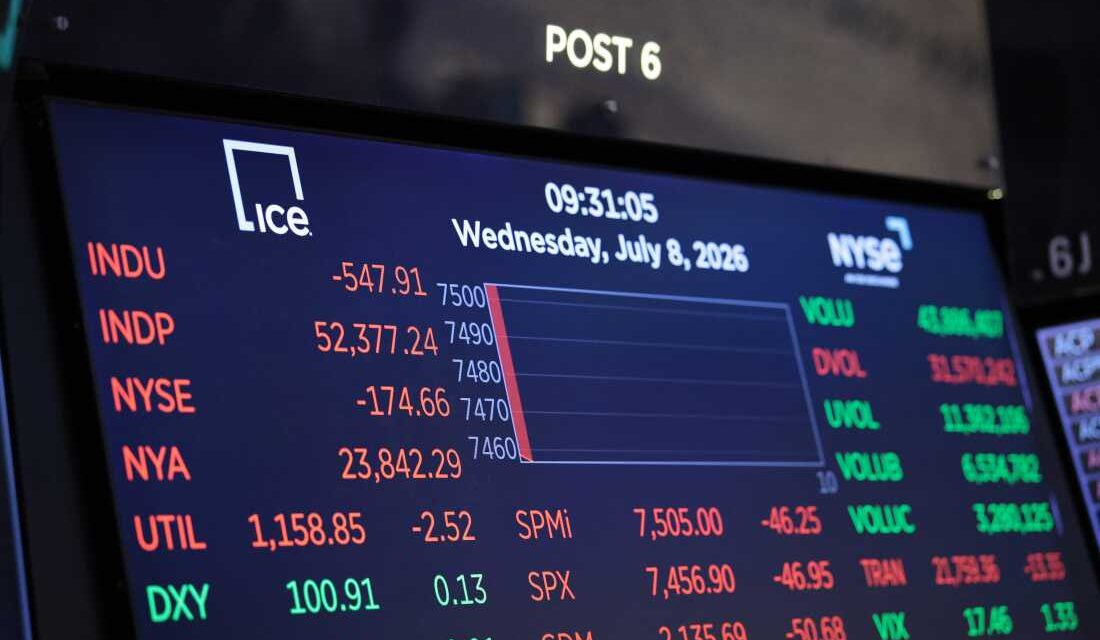
Tanker traffic in the Strait of Hormuz faces new risks as the U.S. and Iran ceasefire concludes. Oil prices, which had reduced to prewar levels, are on the rise again, while stock markets suffer. Renewed conflict introduces more uncertainty into the global economy.
Crude oil prices have increased sharply following President Trump’s announcement to terminate the fragile ceasefire in the Strait of Hormuz. The U.S. military conducted attacks on several Iranian targets overnight, responding to what seemed like Iranian aggression towards vessels navigating the strait. This conflict threatens continued volatility in global markets, despite recent relief after a ceasefire was agreed.
Both U.S. and international crude oil benchmarks rose about 7% on Wednesday, though they have not returned to their earlier peaks from spring. Conversely, the Dow Jones Industrial Average dropped over 800 points, or 1.5%, after recently reaching a record high. The renewed hostilities hint at potential inflationary pressures, given a prior decline in gasoline prices. The initial impact on prices has been modest, indicating that markets are not predicting a complete resurgence of conflict. According to AAA, U.S. retail gasoline prices increased by less than a cent per gallon overnight, though further rises are possible as elevated crude oil prices translate to consumer costs.
Since the U.S. and Israel initiated attacks on Iran earlier in the year, global markets have fluctuated. The recent rise in bond yields suggests that investors anticipate ongoing instability.
Impact on the Federal Reserve
Ongoing tensions with Iran will impact the Federal Reserve under Chairman Kevin Warsh. The CME FedWatch tracking tool indicates a higher chance, now more than 1-in-3, that the Fed will increase interest rates this month, compared to about 1-in-4 before the ceasefire dissolved. The central bank is observing rising energy costs closely, as these have already pushed inflation beyond its 2% target. The Trump administration is also planning to introduce fresh global tariffs, which might further elevate import costs in the year’s second half.
Prior to the recent clashes, the International Monetary Fund (IMF) had lowered its economic growth forecast for the year. The IMF now projects a 3% growth for the global economy by 2026, a drop from 3.5% last year. The IMF cautions that reescalation in the Middle East could cause significant commodity price volatility, disrupt supply chains, push prices higher, and adversely affect financial conditions.
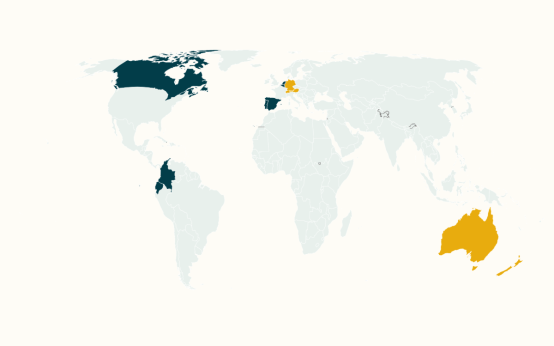 Dutch Review Board’s Euthanasia Ruling and International Debate
 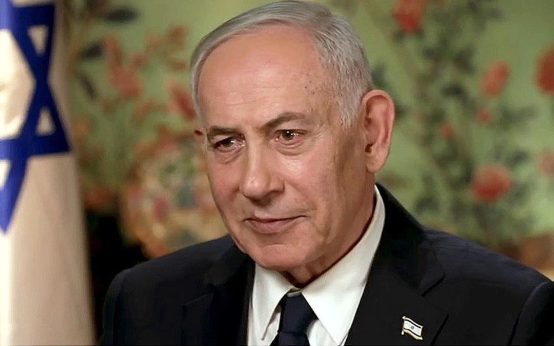 Israeli PM Commends Heroic Actions in Flight Emergency
  Rabbi and Jewish Leaders Criticize Adam Brody for ‘Genocide’ Comment
  Flydubai’s Emergency Landing Highlights Cockpit Security
 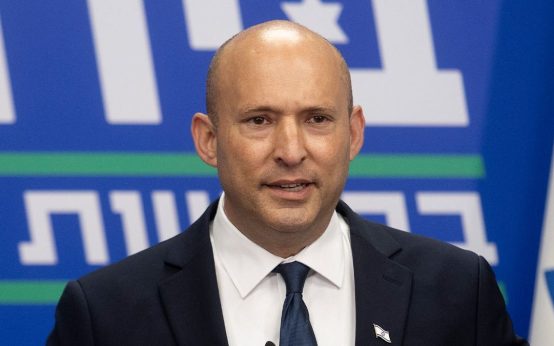 Former Israeli PM Naftali Bennett Commends Passengers and Crew for In-Flight Heroism
  Diplomatic Complexities Unfold at U.S. National Archives Visit