
Emily faced an emergency C-section at 29 weeks pregnant due to complications. She barely saw her newborn, Ava, before undergoing a hysterectomy. Emily’s wife, Colleen, was ready to make vital medical decisions for Ava but faced a legal hurdle. Their state’s laws didn’t recognize Colleen as Ava’s legal parent. Despite Colleen’s deep love and careful planning, she learned she couldn’t legally make decisions or access the NICU. Ava was vulnerable at her life’s beginning without legal recognition for her loving parents.
Fortunately, the hospital staff allowed Colleen into the NICU. Ava’s health shouldn’t depend on staff decisions. Another hospital might have denied Colleen access, leaving Ava alone.
As a family law attorney, I encounter such stories frequently. Many assume parenthood automatically grants legal protection, but that’s not always the case.
Parenthood can arise from genetic links, adoption, or fertility care, as it did for Colleen and Emily. Many states haven’t updated family laws, ignoring modern family formation methods. With 1 in 6 people experiencing infertility, many need assistance to build families. Outdated laws often exclude non-biological parent relationships, leaving families vulnerable.
Without legal recognition, families face serious issues. Children risk losing protection in emergencies, lack access to parental health insurance, and may lose financial support or inheritance rights. Outdated laws force some parents to adopt their own children, a costly and lengthy process that may not be accessible for everyone.
Consider Rachel, unable to carry a pregnancy following cancer treatment. Surrogacy was their best option. Surrogacy agreements were banned in Michigan when her daughter was born, forcing Rachel to spend years and substantial funds adopting her child.
States should update family recognition laws to match the Uniform Parentage Act of 2017 (UPA). The UPA offers clear pathways for children to have legally recognized relationships with their loving parents. Although some states like Delaware have adopted such measures, many still have outdated laws that leave children at risk.
Children deserve assurance that their parents will be legally recognized in hospitals, schools, and during crises. It’s essential for all states to adopt laws that protect children.
Polly Cozier, Director of Family Advocacy at GLBTQ Legal Advocates & Defenders (GLAD Law), focuses on updating state laws to protect families. The opinions expressed are the author’s own.
 Response to Cornell University Rape Allegations
 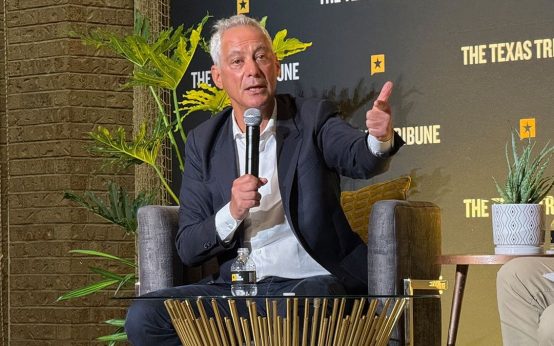 Rahm Emanuel Advises Against Impeaching Trump and Calls for Ethics Reforms
  Rahm Emanuel Discusses Potential Presidential Run and Jewish Identity
  JD Vance’s Influence Grows as 2028 Speculations Arise
  Laura Ingraham Criticizes Democratic Policies on ICE and Immigration
  Crackdown on Fraudulent Obamacare Enrollments