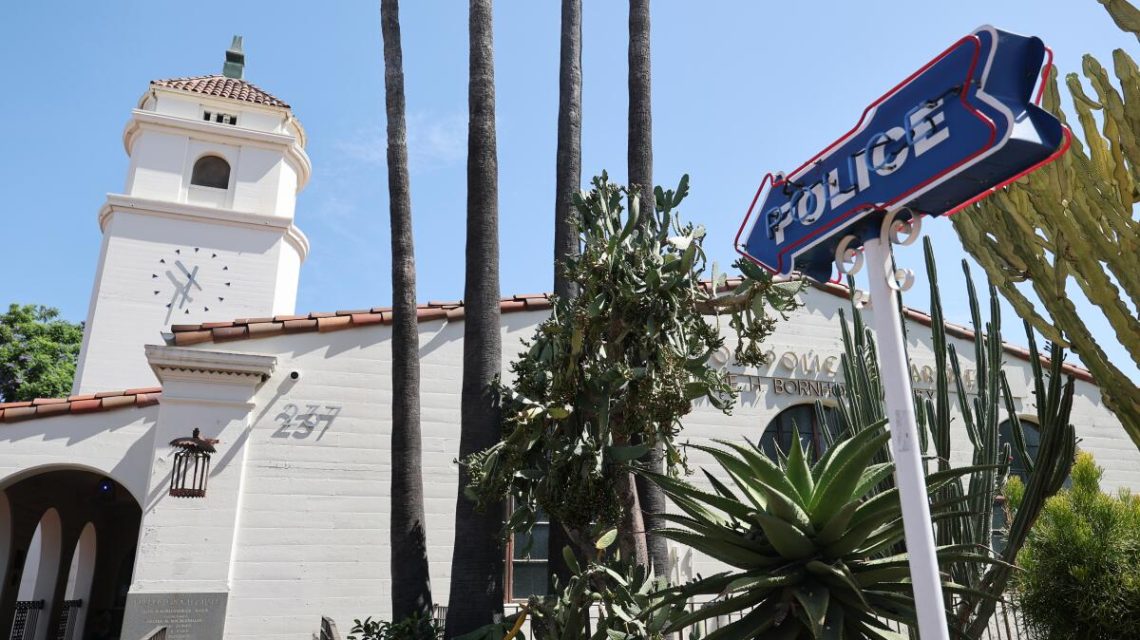
Pam Yeager hoped for a smooth transition into a charming bungalow near downtown Fullerton. The home was reasonably priced, conveniently located near her son, and available as her current lease was ending. Unfortunately, this turned into a costly scam.
Yeager, a 53-year-old, expressed frustration, emphasizing a need for accountability. Experts acknowledge that such scams are increasingly common and difficult to control.
In California, the tight housing market and high rent enable a new wave of real estate scams exploiting those seeking affordable homes. Scammers create fake listings on social media and online marketplaces. They often use existing listings, collecting money from victims before they realize the deceit.
As rental searches move online, unregulated platforms become breeding grounds for fraud. Fake ads promise incredible deals, luring people under pressure to act quickly.
“If it sounds too good to be true, it probably is,” mentioned Sgt. Lizbeth Gwisdalla from the Orange County Sheriff’s Department, highlighting the frequent occurrence of online rental scams.
Chris Duff, president of Greater Los Angeles Realtors Association, notes an increase in cybercrimes targeting home seekers: “This is getting worse every year.”
Warnings about rising rental scams on social media were recently issued by the Placentia Police Department. Sgt. Frank Garza explained that apprehending scammers is challenging due to anonymous communications and difficult-to-trace payment methods, often involving international actors.
The scam targeting Yeager used a Zillow post for a day. Laura Spencer, a real estate agent, discovered the deception after being contacted by another interested renter. After addressing suspicions with the home’s actual owner, Spencer confirmed the house was not for rent.
Despite the post’s removal from Zillow, Yeager received texts from the supposed landlord. She expressed interest and paid a $75 application fee after viewing a misleading property video. At every doubt, the scammer provided reassuring responses.
Her suspicions grew when asked for a $2,500 security deposit, yet a convincing phone call with the impostor assured her. She sent the money via Zelle but became wary when asked for more payments. Attempts to contact the scammer yielded no results, leaving her out $2,575.
Yeager’s experience is a cautionary tale. While challenging financial recovery, raising awareness is crucial. Laura Spencer emphasizes never to pay before verifying legitimacy with the agent or owner.
“Do not give your money out until you’ve met the agent, met the owner, really make sure it’s legitimate,” Spencer advised.
Tracking scammers is demanding for police, involving extensive search warrants and data investigations. Sgt. Gwisdalla stressed that despite their difficulty, scams can be pursued.
The FBI recorded over 12,000 real estate fraud complaints last year. AI’s rise aids criminals, according to reports. Incidents of scam postings using actual homes, deceiving renters, were reported in the Bay Area and San Diego.
When visiting the house Yeager intended to rent, it was clear the real owner had no plans for renting. The actual homeowner expressed sympathy for Yeager’s situation but acknowledged the prevalence of scams.
 Navigating Los Angeles Real Estate on a Budget
  Mortgage Rates Return Above 7% After Twenty Months
  Inland Empire Grapples with Growing Housing Affordability Concerns
  Challenges in Los Angeles’ Multifamily Housing Market
  Jevon Carter Sells Chicago Town Home
  Charming River Forest Home With Custom Features