
Recently, two significant events highlighted a major shift within the national Democratic Party. On Tuesday, a meeting in Washington, D.C., and an election illustrated challenges faced by the party.
Meeting in Washington
Presumptive Maine Democratic Senate nominee Graham Platner, known for controversial associations, met with party members in Washington. Despite past scandals, including a tattoo previously recognized as a Nazi symbol, Platner remains a strong candidate. Some expected his campaign to falter, but his position seems firm. In the past, party leaders might have ended such a campaign with a single call. Now, groups like the Democratic Socialists of America hold sway.
Senate Minority Leader Chuck Schumer commented, “I met with Graham Platner today. We’re going to beat Susan Collins and take back the Senate,” showcasing united support from Democrats.
Election Results
Similarly, New Jersey’s 12th congressional district saw Adam Hamawy prevail. Despite his radical ties and controversial actions, such as volunteering for a group linked to terrorism, Hamawy advances. Democratic primary voters in New Jersey appear willing to embrace more extreme candidates.
Changing Party Dynamics
These instances reflect the Democratic Party’s current state. Establishment figures like Schumer now have limited influence over socialist candidates gaining power. Platner and Hamawy’s campaigns, buoyed by leaders like Rep. Ro Khanna and Sen. Bernie Sanders, thrive without traditional endorsements or funding. Progressive billionaires willingly provide financial support.
The media’s role as an influencer also appears diminished. Progressive candidates like Platner and Hamawy challenge the mainstream, heralding a significant change in the party’s structure.
Implications for the Future
This shift away from moderate, establishment control could impact future elections, including the presidential race in 2028. Historical precedents, such as the sidelining of Bernie Sanders in past primaries, indicate changing tides.
Over a decade ago, the Republican Party was dramatically altered by Trump’s unexpected rise. Today, the Democratic Party faces a different type of transformation, as leftist populism rises to challenge neoliberal norms.
For figures like President Biden, once critical of the GOP’s evolution, the Democratic Party he knew is also starkly different today. The departure from policies that once defined the party marks a pivotal change in its identity.
 Activists Push for Nationwide Ban on Child Marriage in the U.S.
 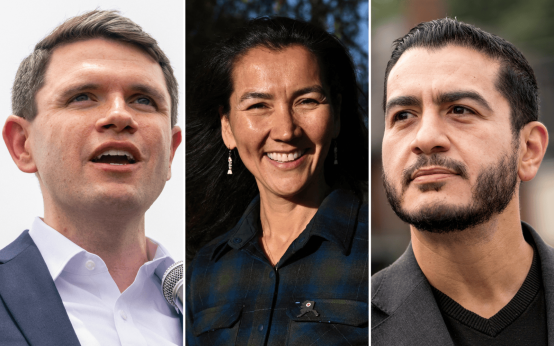 Democratic Hopes and Historical Warnings in 2026 Senate Race
  Republicans Face Challenges Amidst Cost of Living Concerns
  A Different Kind of Fall for Congress This Year
  Cornel West and Sean Hannity Discuss Differences on Podcast
  Trump Unveils AI-Powered America.gov Platform