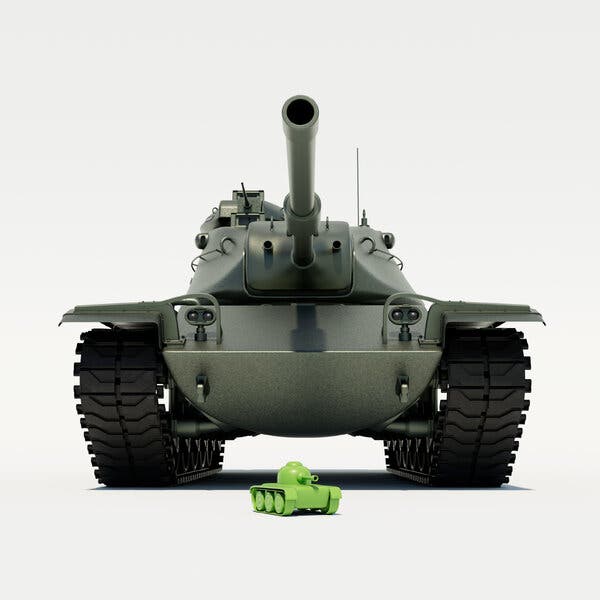
There exists a phenomenon where small states under the long-term protection of major powers can become both militarily robust and strategically careless. Such states often exhibit strength in using force but lack an understanding of its long-term consequences. They seemingly possess the trappings of sovereignty without experiencing its full responsibilities, as the burdens often fall on their powerful patrons. With external support in the form of arms, diplomatic backing, and international guarantees, their strategic acumen can weaken over time. This can lead to a misguided belief that military power can replace effective diplomacy.
Israel’s Complex Relationship with Power
Israel exemplifies this condition. Its recent military actions against Iran, undertaken with the United States, aimed to reassert its regional dominance. However, these actions might be remembered more for highlighting the limitations than for achieving comprehensive success. Iran, while impacted, remains unchanged at its core. Its nuclear ambitions have been hindered but remain intact, and its government persists. Rather than emerging as a new version of itself, Iran might return unchanged but more resilient due to its survival.
A recent memorandum of understanding between the United States and Iran aims to cease hostilities, but it defines outcomes based on terms set by these countries. This highlights the constraints of Israeli achievements. Though Israel can engage in military conflict with U.S. backing, it lacks control over how and when conflicts are resolved.
The Reality of Strategic Dependence
Despite Israel’s operational prowess, the core issue lies in its strategic drift and diplomatic marginalization. Israel’s reliance on the United States runs deeper than its leadership might openly acknowledge. For many years, Israel has advocated self-reliance while heavily relying on U.S. support. The nation frequently emphasized its ability to self-defend, but this stance coexisted with substantial American military aid, intelligence collaboration, and logistical support during conflicts, totaling $3.8 billion annually in military assistance.
The greater Israel’s dependence grew, the more vehemently its leaders proclaimed their independence. This paradox defines Israel’s complex relationship with power, where public rhetoric and operational realities often diverge.
 Defense Secretary Emerges as Key Player in the Trump Administration
 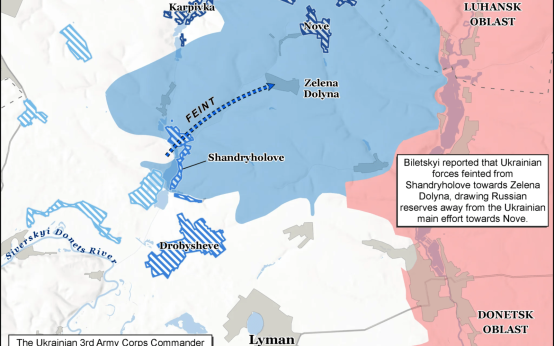 Ukraine Converts APCs to Explosive Devices in Donetsk Offensive
 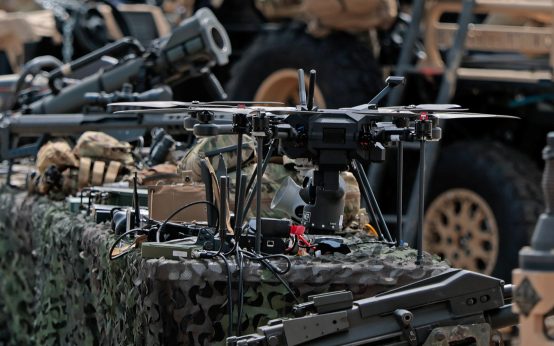 Hegseth’s Vision for the Military: Balancing Tradition and Innovation
 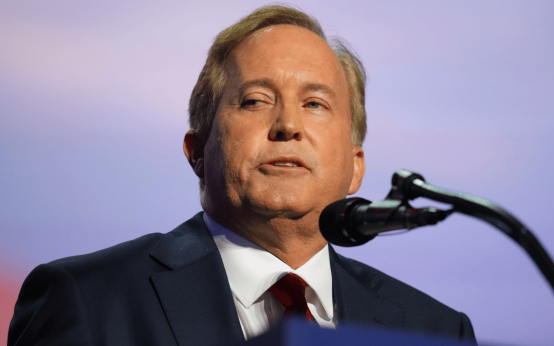 Significant Funding Boosts Ken Paxton’s Texas Senate Campaign Amid Tight Race
  U.S. States Extend Gas Tax Waivers Amid Rising Fuel Costs Due to Iran Conflict
  USCIS Raises Immigration Fees