
Hundreds of thousands of mourners gathered in Tehran on Monday to honor Ayatollah Ali Khamenei, the Iranian supreme leader killed in the conflict with the United States and Israel. His body was paraded through the city in a public procession orchestrated by the Iranian government. Memorial activities will continue as the body travels to important Shiite Muslim sites in Iran and Iraq, culminating in a burial in his home city Mashhad.
Iran’s current and past leadership, including President Masoud Pezeshkian, participated in the events. Despite his veneration by many, Khamenei was also loathed by others for maintaining an oppressive state. In January, Iran’s security forces were reported to have killed thousands during protests, as acknowledged by human rights groups.
Political Unity and Leadership Absence
The funeral serves as a display of unity for Iranian leadership. However, Mojtaba Khamenei, the late leader’s son and successor, has not attended the ceremonies, prompting speculation on Iran’s stability. Mojtaba has stayed out of public view since the Israeli strike on Ayatollah Khamenei’s compound in February.
Key Figures and Peace Talks
Former Iranian president Mahmoud Ahmadinejad attended the funeral, despite being injured in an Israeli strike aimed to release him from house arrest. Peace negotiations between Iran and the United States remain paused, unable to fully address ongoing military tensions or reopen the crucial Strait of Hormuz.
The New York Times’ access to the event was controlled by the Iranian government, influencing which portions of the mourning ceremonies could be covered.
Government Efforts for Funeral Ceremonies
An elaborate weeklong series of events is underway for Ayatollah Khamenei’s funeral, showcasing careful preparation. Despite a battered economy, Iran has mobilized massive resources. Measures include buses, apps to accommodate guests, and extensive security.
The Iranian Red Crescent has deployed thousands of personnel, while Tehran’s subway will operate continuously to accommodate visitors. Strict security measures and road closures are in place, with airspace over Tehran secured to protect the proceedings.
International Support and Regional Influence
Khamenei was regarded as a religious authority by many Shiite Muslims globally. The procession will pass through Iraq, further displaying his influence. In Lebanon, Pakistan, Afghanistan, and Yemen, groups connected to Iran express respect and solidarity.
His funeral draws significant international participation, with mourners coming from countries such as Iraq, Yemen, India, Pakistan, Senegal, and Nigeria.
Public Reactions: Divisions Among Iranians
Many Tehran residents have opted to leave the city instead of participating in the memorial events, reflecting deep societal divisions. The ceremony highlights the fault lines within Iran, between government supporters and those opposing clerical rule.
As the organized ceremonies proceed, some focus on evading them, vacationing in quieter regions, showcasing the spectrum of public sentiment post-Khamenei’s leadership.
Ayatollah Khamenei’s Legacy
Ayatollah Khamenei’s leadership spanned over three decades, solidifying Iran’s regional power yet characterized by harsh domestic repression. Born in 1939, he rose to power after the 1979 revolution, eventually succeeding Ayatollah Ruhollah Khomeini as the leader of the Islamic Republic.
While largely against American influence, he supported groups like Hezbollah, playing a significant role in the Middle East’s geopolitical dynamics through what is termed the ‘axis of resistance’.
His life’s influence culminated with a controversial nuclear deal and continuous internal crackdowns, leaving behind both a strengthened regional power and a nation fractured at home.
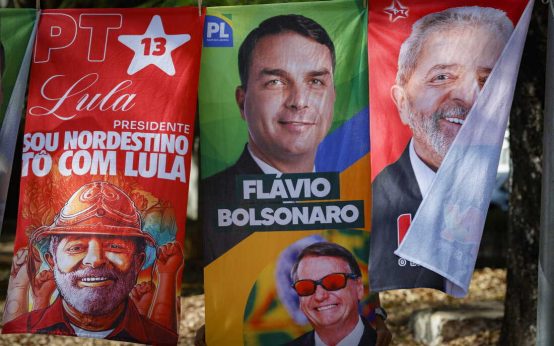 Brazil’s Next Election: Familiar Faces and High Stakes
  Suspected Plague Death in Siberia Sparks Health Measures
 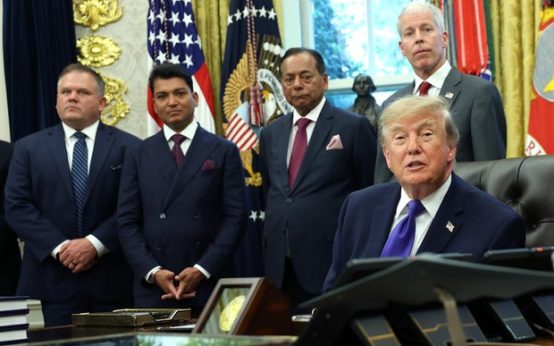 Iowa Steel Plant: Incentives and Political Maneuvering
  Strategies for Democrats Leading Up to Election Day
 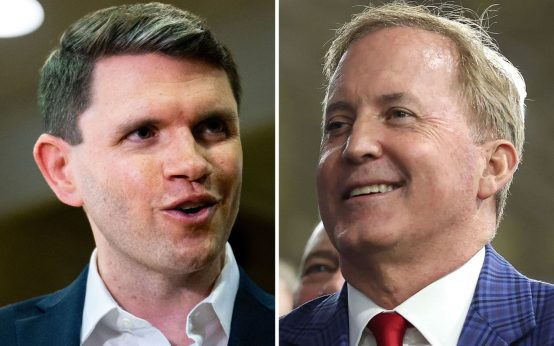 Texas Senate Race: The Impact of Trump on Ken Paxton’s Campaign
 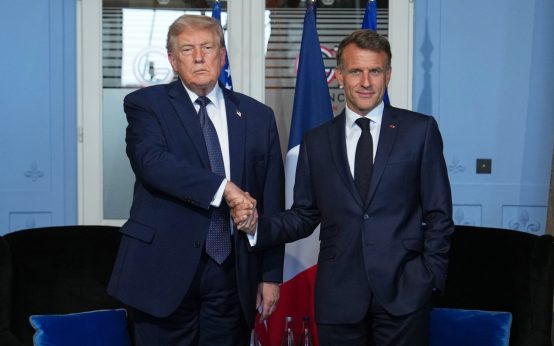 G7 Nations Agree to Release 100 Million Barrels of Oil Amid Fuel Price Surge