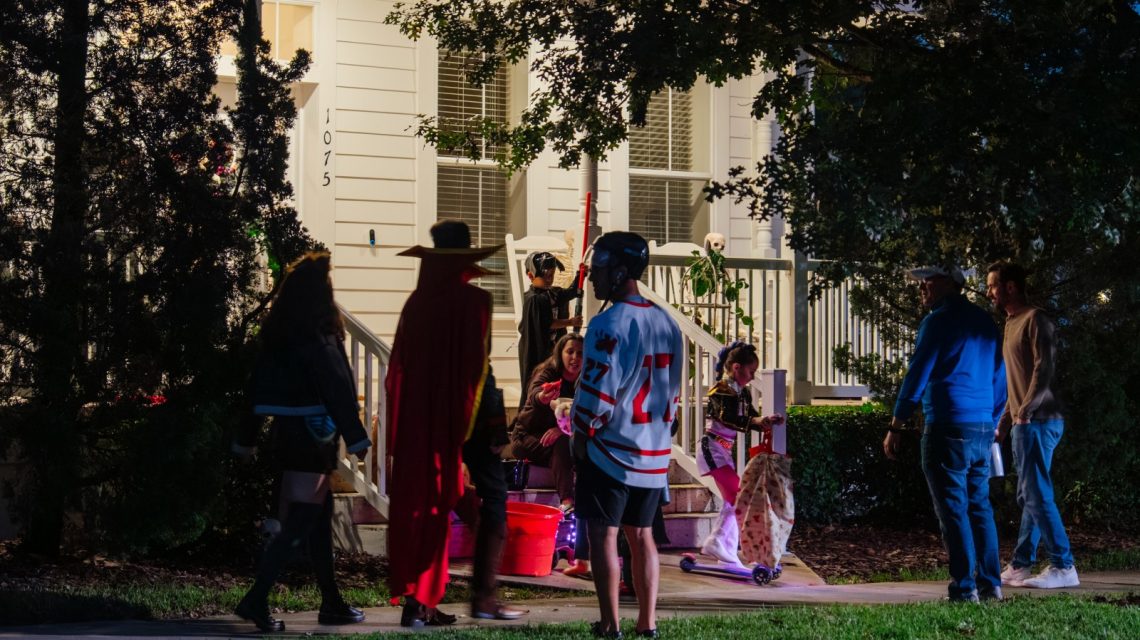
Halloween is a cherished holiday in the U.S., offering the fun of dressing up and enjoying various treats. However, the celebration is accompanied by significant expenses. The National Retail Federation anticipates Americans will spend about $13.5 billion on Halloween this year, slightly more than the previous year. Candy sales alone are projected to reach $4.1 billion, with an average spend of $115.14 per person. A staggering 96 percent of shoppers plan to purchase sweets.
The distribution of candy mainly goes into jack-o’-lantern buckets and pillowcases. Some states offer better trick-or-treat experiences than others. Spokeo has analyzed data from several sources including the National Retail Federation, Census, and National Centers for Environmental Information to rank all 50 states based on their trick-or-treat quality. This helps determine the amount of candy to expect on Halloween night.
While luck may seem to play a role in the candy haul, numerous underlying factors influence success. Ideal neighborhoods for trick-or-treating are those with plenty of children, dense housing, and close-knit homes. Homes with illuminated walkways also facilitate smoother trick-or-treating.
Factors Making an Ideal Trick-or-Treat Neighborhood
Spokeo’s ranking system evaluates states using four components based on federal Census and weather data:
- Households with children under 18: Children’s presence heightens trick-or-treat demand. This factor considers the percentage of households with children below 18, using Census Bureau’s recent surveys.
- Housing density: Proximity of homes in dense areas increases candy acquisition chances. The measure calculates housing units per square mile within populated census tracts.
- Single-family detached share: Detached houses with walkways offer optimal trick-or-treating spots. This component divides single-family detached units by total housing units.
- Weather considerations: Favorable weather is essential, with rain often hindering trick-or-treat activities. Utilizing NOAA data, the index includes temperature and rainfall probability.
The ranking reveals notable states where trick-or-treating might be extraordinary:
Top States for Trick-or-Treating: Utah tops the list, followed by Texas, Oklahoma, California, and Mississippi. Utah excels with a high percentage of households having children—38%. Texas follows closely at 35%. California ranks well on children’s population, housing density, and weather factors. Oklahoma scores high in single-family housing, while Mississippi enjoys favorable weather conditions near 60 degrees.
Idaho, leading in single-family housing but not making the top five overall, showcases another interesting aspect.
Limitations of the Index
No index can perfectly gauge a successful Halloween night. Factors like candy-giving households, street safety, traffic patterns, and organized events are not considered. State-level data can overlook urban versus suburban differences.
Despite these limitations, states like Utah and Texas with high numbers of children, California with close-knit homes, and favorable weather conditions point towards an enjoyable candy haul. Regardless of state ranking, the forecasted increase in spending suggests candy abundance. Even low-ranked states shouldn’t be discouraged; areas with plenty of kids, dense housing, and dry weather typically promise a successful Halloween.
 Quince’s New Bag Rivals $3,400 Celebrity Version at Fraction of the Cost
 Celebrities Embrace Trench Coats for Winter Style
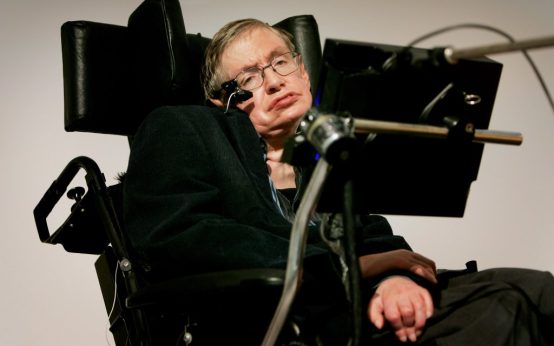 Stephen Hawking’s Complex Personal and Professional Life
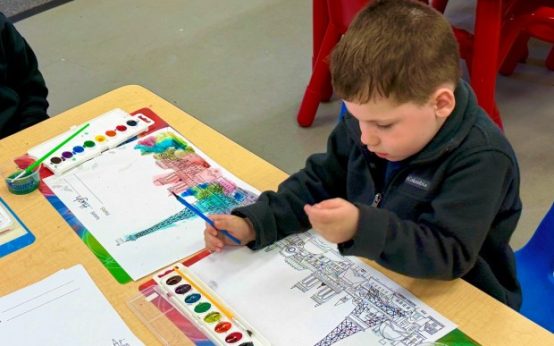 Immersion in French Culture at Ascension Catholic School
 Old MacDonald’s Farm in Humble, Texas, Closing After 34 Years
 Lee McFarlane’s Remarkable Hole-in-One Journey Continues