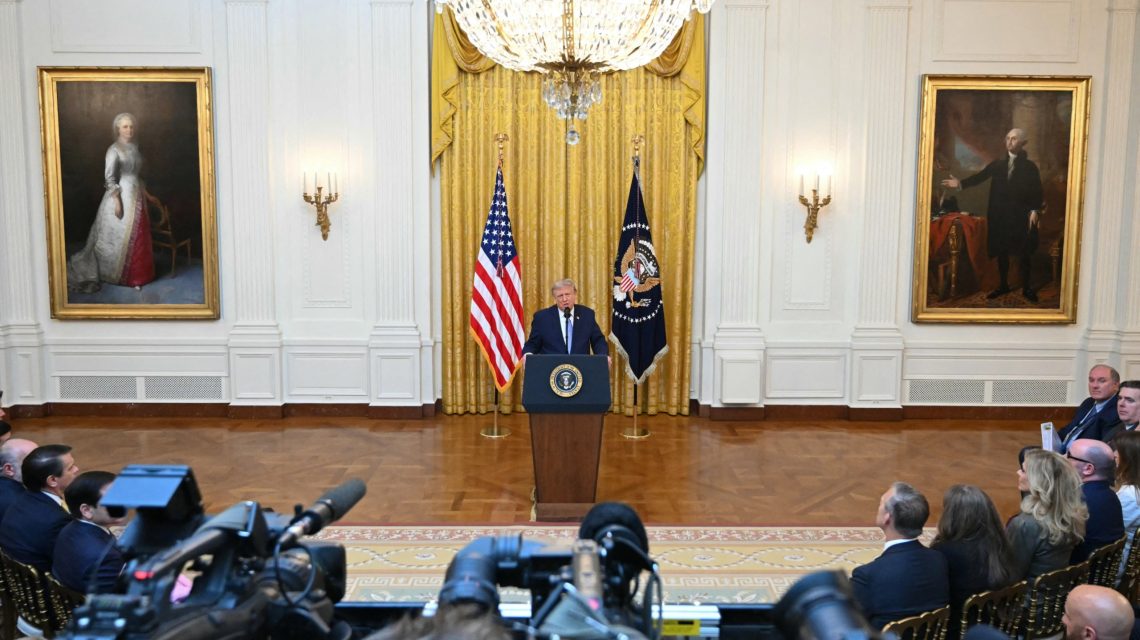
Political Intrigue: DHS Request to Hack Voting Machines
Political appointees at the Department of Homeland Security made a surprising request of its cybersecurity agency, the Cybersecurity and Infrastructure Security Agency (CISA). They asked CISA to secretly obtain and hack a voting machine, intending to report findings to the White House. The request alarmed CISA staff, who normally aimed to prevent hacking threats.
Usually, the agency would notify companies if vulnerabilities were found. However, this time, they were told not to inform the voting machine manufacturer, adding to staff’s concerns about political interference. “This contradicts everything CISA stands for,” a former official said, noting fears that election results could be invalidated.
CISA’s ability to conduct the request was further hampered by layoffs from Elon Musk’s Department of Government Efficiency initiative. The push eventually relaxed, yet demonstrated the administration’s attempts to exploit CISA while depleting its resources to safeguard voting systems.
Autocratic Maneuvers: Trump’s Administrative Impacts
During President Donald Trump’s second term, his administration reduced CISA’s workforce by over 1,000 employees, shrinking the agency significantly. Additional layoffs and budget cuts of $700 million were proposed, raising alarms among Democratic lawmakers. They advocated for a probe into CISA’s competence and questioned the absence of federal support as directed.
Historically, CISA acted as a partner to state authorities and voting machine providers to reinforce election infrastructure against cyber threats. Despite efforts in Trump’s first term, its contributions waned, leaving states unsupported during essential preparations for the midterms.
Ryan Macias, an election tech and cybersecurity expert, criticized the agency’s departure during vital planning stages, and the agency’s failure to assist states in tackling vulnerabilities signaled troubling implications.
Internal and External Pressure: Election Security Challenges
While Trump raised fears of election hacking, linked to unfounded claims, experts argued that his administration was undermining federal efforts to secure elections. This compounded distrust among states, which felt abandoned as the administration revived debunked theories and declassified sensitive records.
State officials, skeptical of sharing crucial information with CISA, viewed their relationship as betrayed. A former federal cybersecurity official stated emphatically that states will not trust CISA with any information, highlighting the broken trust.
The chaotic situation saw state leaders use local resources, with gaps in crucial services they couldn’t mimic, such as foreign actors’ intel. Concerns also arose regarding Trump and his allies escalating rhetoric on voting machine threats, prompting jurisdictions to consider contingency plans amid potential federal seizure of machines.
Historical Context: Federal Cybersecurity Evolution
In previous decades, DHS’s focus was not directly on election security. Cyberattacks across the mid-1990s and 2000s unveiled vulnerabilities, leading DHS to reorganize under George W. Bush, reinforcing cyber defenses and critical infrastructure protection.
Then, under Trump’s leadership in 2018, the National Protection and Programs Directorate became CISA, designated to guard critical infrastructure, including elections. Nevertheless, Trump’s administration confined the agency’s impact, and staff gradually built fragile trust with states on data confidentiality.
Director Chris Krebs led efforts like penetration testing and briefings for secretaries of state, providing vital insight into potential cyber threats. These resources, critical for detecting malicious activities on election networks, vanished during Trump’s second term.
Erosion of Federal Support: The Consequences
Trump undermined CISA after refusing to concede to Joe Biden in 2020. Following a statement backing the election’s security as “the most secure in American history,” Trump’s dismissal of Chris Krebs on Twitter reflected the discontent in Trump’s circle.
As Trump returned to power in 2025, CISA’s dismantling started, impacting internal teams despite pleas for pizza, illustrating operational frustrations. DHS ceased important technology funding, creating federal blind spots for potential breaches.
Election preparations proceeded without CISA’s guidance, as state officials met at national forums amid fears Trump might declare immediate measures to seize voting machines following his election security address.
Legacy of Distrust and Inaction
At an event near Mount Rushmore, Trump’s speech to nation unraveled research and debunked claims about election security, drawing skepticism from attendees. Trump’s ties to preliminary conspiracy narratives left state officials wary of future cooperation with CISA.
Subsequent disclosures of sensitive state-shared information worsened relations, undermining existing cooperation. Exposures of confidential data on platforms such as ChatGPT and GitHub alarmed election authorities, doubting CISA’s reliability.
Notably, high-profile stunts like machine seizure operations with no evidentiary findings fuelled discontent, with officials feeling misled and unsupported.
Future Outlook: Obstacles to Rebuilding Trust
President Trump’s speech exacerbated tensions, questioning CISA’s backing during critical election cycles. Amid federal restructuring, agency operation challenges continued following Andersen’s appointment, stirring apprehension over his appreciation for the election planning process.
States, facing imminent primary timing, queried CISA’s absence during prior preparation phases. Andersen directed blame towards government shutdown impacts, leaving state officials uneasy.
The deteriorating alliance reached frustration, with states voicing disbelief over federal reintegration attempts as midterm elections approached. CISA’s untenable role, due to previous operational groundwork, seemed out of grasp according to departing officials.
Released in late September, CISA’s security plan for the 2026 election echoed collaborative partnerships with states as a priority, though it received skepticism from authorities wary of outdated commitments. While states maintained their election security preparations independently, doubts linger over potential claims from Trump regarding election integrity if results differ from his expectations.
Maine’s Secretary of State, Shenna Bellows, expressed cautious optimism about future collaborations with CISA but remained skeptical amidst diminished federal rapport and actions.
 Trump’s Campaign Strategy and Its Impact on Supporters
 Challenges Faced by ‘No Kings’ Movement Around Midterm Elections
 School Choice Politics in West Virginia
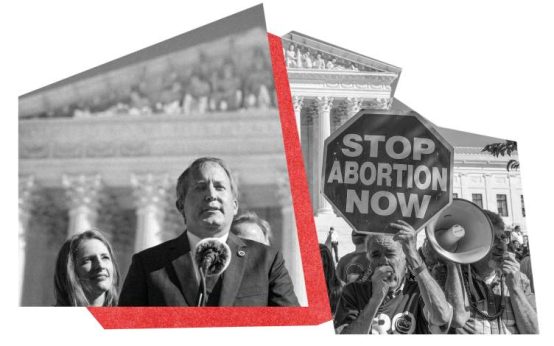 Ken Paxton’s Anti-Abortion Efforts as Texas Attorney General
 Poll Reveals Challenges for Chicago Mayor Brandon Johnson’s Second Term Bid
 Rise of Right-Wing Populism Challenges Europe’s Political Landscape