From the heights of Millbank Tower, with views of the River Thames and the British Parliament, a shift in political power unfolds. Historically the base for the UK’s Conservative Party, the tower now houses Reform UK, a right-wing populist faction led by Nigel Farage. This change mirrors broader political shifts across Europe.
European Shifts in Political Power
In France, Marine Le Pen’s National Rally has gained influence, challenging traditional parties before the next presidential election. Germany’s Alternative for Germany (AfD) is similarly challenging established politics with significant electoral gains, reshaping the landscape in Germany. Similar trends appear in Italy, Spain, and Sweden.
These movements press established conservative parties to either align with populist stances on immigration and national identity or face a loss of electoral support. Steve Baker, a former British Conservative minister, emphasized a move towards identity politics. He highlighted a growing disconnect with economic and political institutions, suggesting that minorities often become scapegoats.
Challenges Within British Politics
The UK’s Conservative Party struggles to maintain influence following a significant electoral defeat in 2024. Reform UK capitalizes on dissatisfaction over immigration, fueled by perceptions of unfulfilled Conservative promises. Research indicates rising support for ethnicity-based citizenship definitions, stirring debates on national identity.
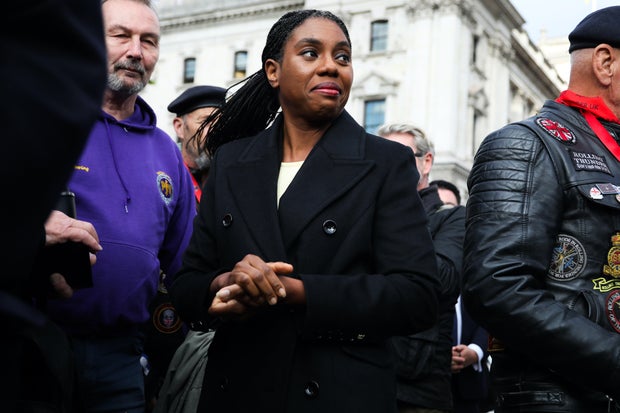
Kemi Badenoch, the Conservative leader with Nigerian heritage, challenges narratives confined to ancestry. Defending the diversity of English identity, she opposes reductive definitions. Controversies within Farage’s Reform UK, coupled with external pressures from even more right-leaning parties, further complicate the political environment.
Germany’s Fraught Political Terrain
In Germany, the AfD challenges a longstanding political firewall against extremist collaboration. Despite being labeled extremist by some authorities, the AfD rejects ethnic definitions of remigration. Nonetheless, its gains in elections place pressure on other parties to adapt or risk losing support.
The AfD thrives on dissatisfaction with economic conditions and migration policies, as seen in historically significant electoral wins. The party demands stricter borders and immigration controls, compelling mainstream competitors to adjust their platforms in response.
French Political Transformation
France presents its own narrative with Marine Le Pen at the forefront of populist success. Her National Rally, once deemed extremist, now leads polling ahead of the presidential election. The party has repositioned itself through a strategic moderation of views, overshadowing traditional conservatives.
With a notable portion of the French electorate wary of immigration, especially Muslim, National Rally captures votes from both sides of the political spectrum. Despite President Macron’s moves toward stricter immigration laws, the party’s traction underscores widespread voter concerns over national identity and security.
Across Europe, a pattern emerges. Established parties face a pivotal decision: integrate harder stances on immigration or risk losing voters to populist factions. A survey indicates around a quarter of European voters now favor right-wing populism, compelling traditional parties to reassess their strategies for maintaining political relevance.
 Canadian Man Convicted for Flamingo Incident in Las Vegas
 Iran Downs US MQ-9 Drone and Escalates Tensions in Strait of Hormuz
 Ecuadorian Priest Dies in Tragic Crucifix Accident
 Efforts to Safeguard Midterms from Potential Interference
 Federal Judge Ana C. Reyes Engages in Intense Courtroom Debates Over Golf Course Plans
 Concerns Over NLRB’s Influence on Economic Freedom