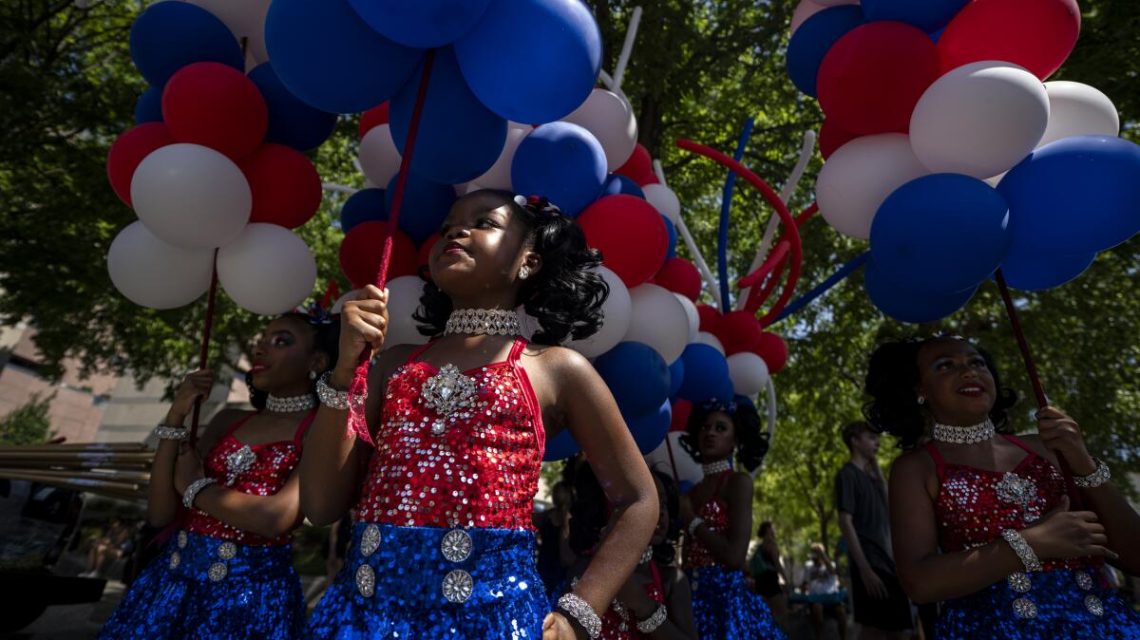
Small towns across the United States were set to celebrate the 250th anniversary of the nation’s independence with various local activities. Historical societies had planned town square readings of the Declaration of Independence, hired bands for patriotic music, organized parades, and arranged themed baking contests. However, many of these plans were canceled when the Trump administration cut $100 million in federal funding for humanities nonprofits and state councils early in its term. This funding reduction significantly affected local preparations for the milestone anniversary, impacting historical projects, museums, and educational programs nationwide.
Instead, federal funding was redirected to Event Strategies, the firm responsible for organizing Trump’s rally at the Ellipse on January 6, 2021. The allocated funds aimed to centralize the anniversary events around President Trump in Washington, D.C., rather than honor the historical revolution from monarchic rule. Historians believe this approach has transformed the celebration into a more politicized event, focusing on imperial aspects of the presidency.
The planned events highlight Trump as the central figure, culminating a year-long initiative to imprint his presence on passports, currency, and public properties. Despite this shift, historians, educators, curators, and reenactors continue to engage in grassroots discourse, maintaining their patriotism with limited resources.
“The way history has been argued since Trump returned to office has been a reminder that governments and political figures have remarkable power to shape a society’s historical memory,” stated David Ekbladh, a history professor at Tufts University.
The administration’s strategy to control the anniversary’s narrative mirrors the warning by George Orwell: “Who controls the past controls the future. Who controls the present controls the past.” Ekbladh further notes that the administration’s influence on funding has muted how institutions like museums and universities approach the anniversary, focusing on keeping attention on Trump rather than articulating a clear historical narrative.
The Trump administration’s active participation in planning the celebrations involved creating its Freedom 250 project to supplement the bipartisan America250 congressional initiative. Key events center around Trump’s attendance, primarily in Washington, partnering with conservative entities to present America’s founding story from a specific perspective.
This year’s commemoration has not captured the widespread attention and excitement seen during the bicentennial in 1976. Andrew Rudalevige, a government professor at Bowdoin College, attributes this to a fragmented media landscape lacking shared storytelling, stating that it’s not a lack of patriotism but a resistance to centering any one administration as its focal point.
Trump’s limited national travel plans for the anniversary include a visit to North Dakota to unveil a new version of Air Force One donated by Qatar, which he intends to retain post-office for personal use. The plane is scheduled to participate in a flyover at the National Mall, alongside other Defense Department equipment, coinciding with Trump’s address in an anticipated heatwave and concluding with the largest fireworks display in U.S. history.
Peter Kastor, chair of the history department at Washington University in St. Louis, emphasized the ongoing struggle between historians and government leaders for narrative control. Museum professionals, historic site operators, and teachers play a crucial role in truthfully explaining the past to the public, often confronting pushback from differing historical perspectives.
 Roger Marshall’s Senate Re-Election Campaign and Family Life
 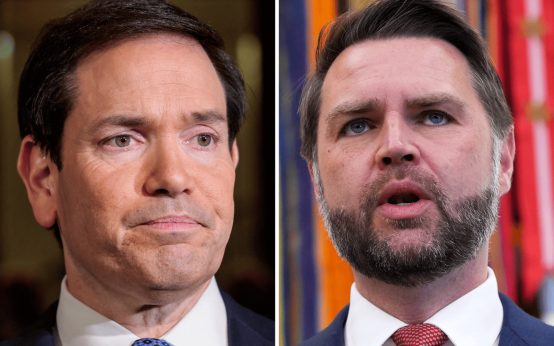 Prediction Markets Reflect Uncertainty for 2028 Republican Race
  Adam Hamilton’s Journey from Pastor to Senate Candidate
  Democrats Focus on U.S. Senate Race as a Referendum
 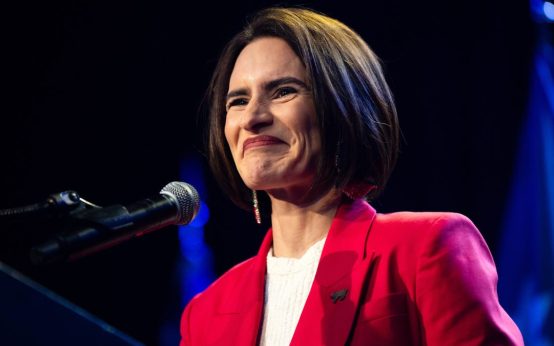 Progressive Promises Meet Political Reality in 2026 Midterms
  Trump’s Remarks on Senator Husted’s Physique