On Friday, the White House announced that President Trump cut $810 million of congressionally approved spending. This includes funds for minority groups, immigrants, and research programs, using a controversial legal tactic known as pocket rescission.
Last year, Trump deployed a similar technique to block $4 billion, including $3.2 billion intended for the U.S. Agency for International Development (USAID). This matter reached the Supreme Court, which overturned an injunction requiring funds to be distributed according to Congress’s intentions.
The Trump administration’s determination to reduce spending deemed “wasteful” has drawn criticism. Opponents argue the approach challenges legislative powers traditionally held by Congress. If regularized, it could expand presidential influence over government spending.
The White House described the pocket rescission as a “long neglected” power under the 1974 Impoundment Control Act, aimed at trimming government expenditure deemed ineffective for American citizens. Targeted allocations include funds for NGOs supporting migrants, housing assistance, and educational programs for foreign scholars.
Impoundment Control Act Framework
Under the Impoundment Control Act, the president can temporarily withhold authorized spending while requesting Congress to reevaluate its position. A 45-day window exists for Congress to accept or reject the proposal. However, with the fiscal year ending September 30, and the House not expected to reconvene until post-November midterm elections, Congress might not have sufficient time to respond.
A minimum of 45 days before the fiscal year concludes is necessary for Congress to counter the president’s temporary spending restraint. Consequently, without Congressional intervention, funds may stay blocked in a pocket rescission.
This method’s controversy lies in permitting the president to interrupt funding sans legislative consent, despite Congress holding the spending power as per Article One of the Constitution.
Supreme Court Case of 2025
In 2025, the Trump administration utilized pocket rescission to withhold $4 billion from USAID and the State Department amid foreign aid expenditure crackdown, timing it close to fiscal year-end to hinder Congressional negation.
Senator Susan Collins, leading the Senate Appropriation Committee, criticized the move, labeling it “unlawful and not permitted by the Impoundment Control Act.” It was met with a legal battle initiated by groups deprived of funds.
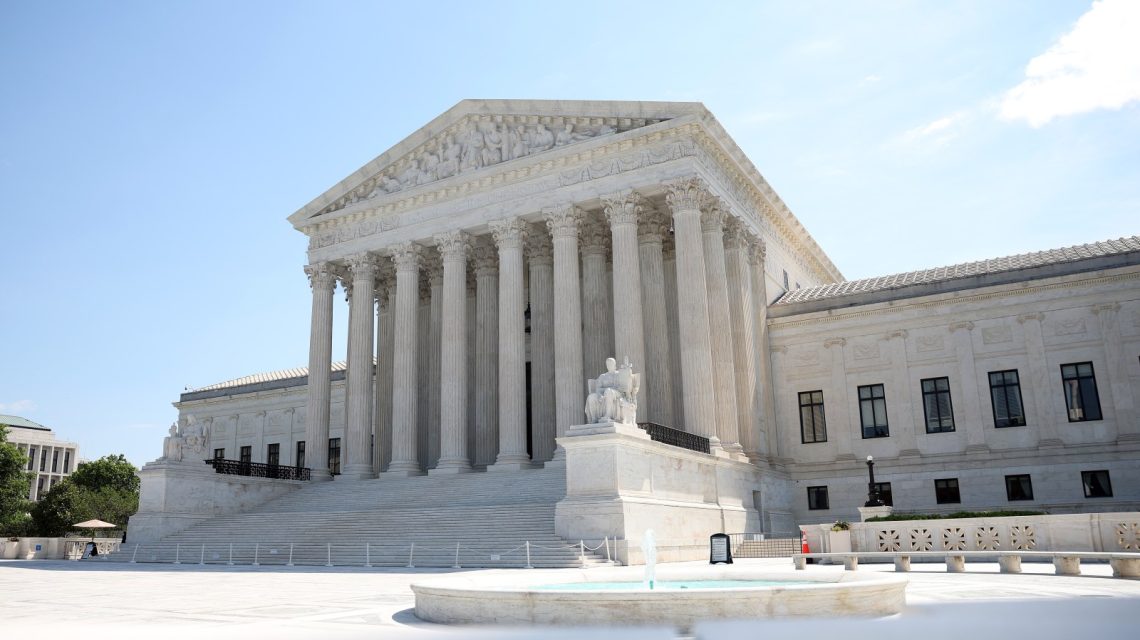
Initially, the U.S. District Court for the District of Columbia issued an order mandating the initial congressional spending plan. However, on September 26, the Supreme Court, favoring a stay requested by the administration, blocked the spending again.
The court reasoned the Impoundment Control Act prohibited the suing entities from pursuing the case, asserting potential harm from executive interference in foreign affairs more significant than asserted injuries.
The judgment specifically urged not to treat it as a final verdict on the case’s merits. Nonetheless, Justice Kagan, backed by Justices Sotomayor and Jackson, dissented. Kagan deemed the president’s action as “a presidential usurpation of Congress’s power of the purse.” She argued the Trump administration failed to show “irreparable harm” if the injunction persisted and didn’t demonstrate probable success on the merits.
She concluded that the application should have been rejected, enabling lower courts to proceed and assure comprehensive examination of the critical question.
Criticism Over Pocket Rescission
Following the recent pocket rescission announcement, Senate Minority Leader Chuck Schumer voiced opposition, accusing the Trump administration of illegally revoking nearly $1 billion of crucial funding for children, K-12 students, small businesses, and health and clean air studies.
Senator Collins, as Senate Appropriation Committee chair, contended the administration deliberately delayed fund allocation for months to enforce illegal cancellation of bipartisan-approved appropriations. She stated that the delay itself is an unreported impoundment to Congress and a usurpation of Congressional appropriations authority.
For further information, contact Newsweek editor Edward Pearcey.
 The Trump Team’s Challenge to the Military Leadership
  Maryland First State to Restrict Electronic Pricing in Grocery Stores
  Activists Push for Nationwide Ban on Child Marriage in the U.S.
  Democratic Hopes and Historical Warnings in 2026 Senate Race
  Republicans Face Challenges Amidst Cost of Living Concerns
  A Different Kind of Fall for Congress This Year