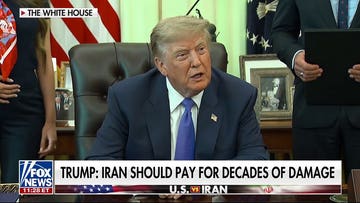
In a bold move during a recent policy statement, former President Donald Trump demanded that Iran should pay reparations for what he described as ‘decades of damage’ caused by the regime. This demand came amid escalating tensions between the U.S. and Iran, as both countries engage in a broader geopolitical struggle.
Trump pointed to a history of conflict and alleged aggressive actions by Iran as the basis for his call for reparations. He stated that the financial compensation should address the various economic and military costs incurred by the U.S. and its allies over the years.
The demand for reparations is one of several strategies Trump has suggested to pressure Iran. This approach aligns with his administration’s previous policies that focused on economic sanctions and diplomatic isolation to influence Iranian behavior.
This statement from Trump coincides with ongoing concerns about Iran’s influence in the Middle East. The region remains a point of tension with frequent incidents affecting international relations and security dynamics.
Iran needs to rectify its past actions by compensating those affected by its policies. This is a critical step toward a more stable and peaceful regional environment.
Responses to Trump’s declaration varied. Some see it as a necessary step to hold Iran accountable, while others fear it may heighten tensions further. In either case, it underscores the enduring complexities and challenges of U.S.-Iran relations.
The international community continues to watch closely as developments unfold, examining potential repercussions on diplomatic and economic fronts. The call for reparations is likely to spark further debate and reaction from stakeholders around the globe.
 Families Fight Trump Administration’s Ban on Medical Care for Trans Youth
  Trump Announces $100 Checks for Seniors to Aid Medicare Part B Premiums
 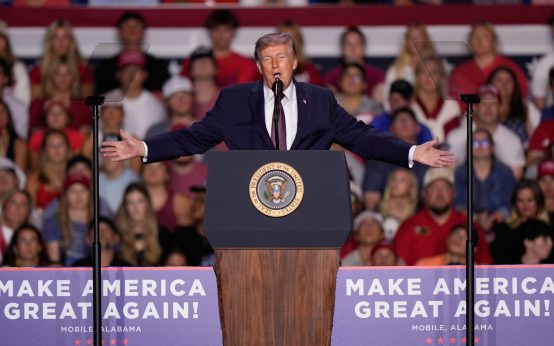 Trump Suggests His Name for Major Alabama Bridge Project
  California’s Challenges: Solutions Needed at State Level
 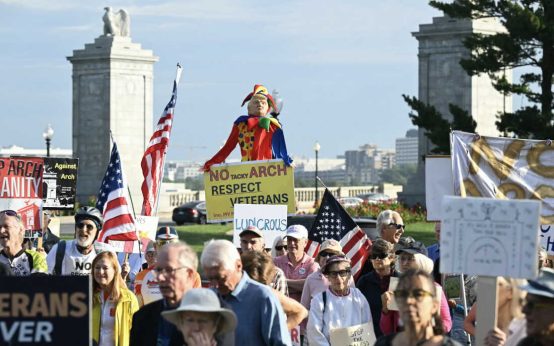 Protests Against Proposed Trump Arch in Washington D.C.
  Republicans Boost Spending in Ohio Senate Race Amid Growing Concerns