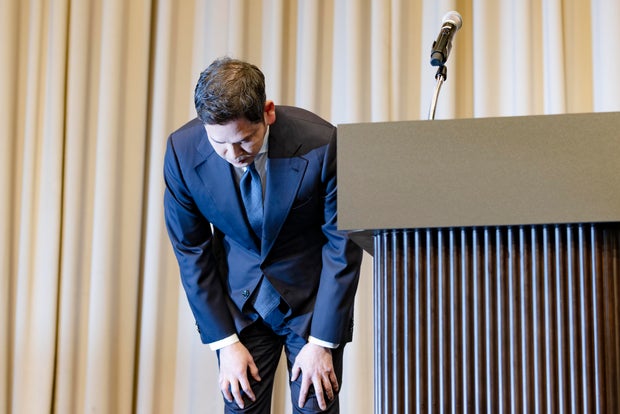
On May 26, 2026, South Korean retail magnate Chung Yong-jin issued a televised apology following public backlash over a controversial Starbucks Korea marketing campaign. Chung, who chairs the Shinsegae Group, addressed the nation and expressed regret for the campaign that many perceived as mocking the victims of the 1980 pro-democracy Gwangju Uprising.
Chung, whose group owns a significant stake in Starbucks Korea, publicly apologized and asked for forgiveness from the families of those affected by the military crackdown during the uprising. The campaign in question had promoted a large tumbler size called a “tank,” linking it to “Tank Day” on May 18, the anniversary of the Gwangju Uprising. Critics saw this as particularly insensitive, given the historical context of tanks being used during the suppression.
The marketing campaign further fueled anger with a slogan referencing a notorious 1987 police statement used to cover up the torture death of a student activist. The slogan exacerbated the situation, leading to widespread public outrage. Shinsegae acted swiftly to cancel the campaign and dismissed the Starbucks Korea CEO. The incident prompted a police investigation.
“I take full responsibility and deeply regret the pain caused by this inappropriate campaign,” Chung declared during his televised apology. He emphasized that the fault lay with management, urging the public not to target Starbucks employees.
Previously, Chung had apologized on May 19, acknowledging the profound pain inflicted on the victims and families of the May 18 Democratization Movement. Meanwhile, Jeon Sangjin, a senior Shinsegae executive, remarked that there was no definitive evidence suggesting an intentional mockery by Starbucks Korea employees. However, he noted that some employees were reluctant to provide their smartphones during the internal review. The company anticipates further findings from the ongoing police investigation.
The incident has sparked calls for a boycott of Starbucks products, supported by government figures like Interior Minister Yoon Ho-jung. The minister announced that Starbucks products would no longer be used at government events, criticizing the chain’s behavior as “anti-historical.” Sales at Starbucks Korea have reportedly experienced a significant decline after the controversy.
South Korean President Lee Jae Myung criticized the campaign, describing it as “inhumane.” The Gwangju crackdown, a pivotal event following General Chun Doo-hwan’s 1979 coup, officially resulted in around 200 deaths. However, activists contend that the actual death toll was higher. Chun’s oppressive government led to massive protests in 1987, ushering in a period of democratization through constitutional reform.
 British Police Arrest Man Suspected of Terror Plot
  Activists Push for Nationwide Ban on Child Marriage in the U.S.
  Investigation into Alleged Incident at Cornell University
  Rising Drone Threats Highlight Vulnerabilities in Moldova’s Airspace Defense
  Bolivia Faces Security Test Amid Unrest
  Incident on FlyDubai Flight Raises Security Concerns