President Trump announced that the United States has largely negotiated a potential peace agreement with Iran. However, the deal still requires finalization with Iran and other Middle Eastern nations. Trump emphasized that the terms include reopening the Strait of Hormuz. He confirmed participation in calls with leaders from countries like Saudi Arabia, the UAE, Pakistan, Egypt, Jordan, Bahrain, and separately with Israeli Prime Minister Benjamin Netanyahu. Trump assured that final details are being worked out and will be announced soon.
Trump concluded a call with Gulf leaders, with discussions including countries like Turkey and Qatar. U.S. officials provided this information to CBS News.
Senator Roger Wicker criticized the potential deal, labeling it as disastrous. He argued for renewed military action against Iran believing the ceasefire is insufficient.
Senator Lindsey Graham expressed skepticism about the deal’s effectiveness, fearing it might empower Iran in the region. Graham questioned why the conflict started if such a deal is plausible and expressed concerns for its impact on Israel.
Trump’s conversations with Gulf leaders covered ongoing negotiations with Iran. He warned of significant consequences if the deal is not reached. Negotiations involve reopening the Strait of Hormuz and addressing Iran’s nuclear capabilities, although Iran initially excluded nuclear issues from discussions.
Pakistan’s engagement with Iranian officials is described as short but constructive, making progress in mediation efforts. However, details of negotiations remain undisclosed.
Secretary of State Marco Rubio hinted at possible news on the negotiations, revealing continuing efforts for a diplomatic solution.
The U.S. blockade continues impacting vessels around Iranian ports. CENTCOM reported the redirection of 100 commercial ships, underscoring the successful execution of the operation.
Qatar’s Emir contacted Trump to negotiate ending the conflict, while hosting Pakistani mediators in Tehran hoping to broker peace.
Meanwhile, Rubio discussed the Middle East conflict and energy costs with India’s Prime Minister Modi, indicating potential diversification of India’s energy supply.
Pakistan’s army chief met Iranian officials for diplomatic talks to prevent escalation and end the war. Efforts are ongoing, facilitated by Qatar as well.
The U.N. conference failed again to agree on measures addressing nuclear proliferation amidst U.S.-Iran tensions, highlighting the challenges persistently disrupting consensus.
Despite diplomatic attempts, military strategizing continues with possible strikes against Iran. Domestic commitments take a backseat due to pressing governmental circumstances.
Israeli attacks in Lebanon resulted in casualties, as the exchange of fire with Hezbollah persists despite ceasefire agreements.
Positive economic indicators emerged in U.S. stock markets fueled by optimism over corporate earnings and prospects for resolution to the Middle Eastern conflict.
EU officials anticipate prolonged high energy prices due to the ongoing war, impacting inflation forecasts.
The U.S.-Israel conflict resulted in extensive losses in Lebanon, with thousands dead and injured, as peace negotiations struggle amidst Hezbollah’s opposition.
The EU moved toward sanctioning Iran for blocking the Strait of Hormuz, allowing target extension concerning individuals accountable.
Pakistan continues mediating between the U.S. and Iran. Pakistani Army Chief joined discussions in Tehran focusing on diplomatic resolutions.
U.S. forces redirected commercial vessels amidst Iran’s blockade, maintaining strategic control in the region.
Iran condemned the sanctions imposed by the U.S., specifically targeting its ambassador to Lebanon, decrying disregard for international law.
Rubio emphasized the need for a contingency plan, urging allies to consider alternatives if Iran refuses to cooperate in reopening the Strait of Hormuz.
Pakistan’s Foreign Ministry remained reticent on discussing specifics or confirming scheduled visits by its Army Chief to Iran. The backdrop of indirect negotiations colored by coordinated efforts continues.
Iran asserted its rights amidst U.S. diplomatic discussions, demanding sanctions lifting and assets return, seeking redress for perceived injustices.
Israeli strikes continued to impact medical facilities and personnel in Lebanon, casting shadows over adherence to ceasefire terms.
Iran claimed multiple vessels passed through the Strait of Hormuz under its naval coordination, with complexities surrounding navigational interference persisting.
Lebanon affirmed military professionals’ loyalty remained uncompromised despite U.S. sanctions aimed at alleged Hezbollah connections.
The U.N. Security Council contemplates resolutions on the Strait of Hormuz amidst Rubio’s remarks on its operational efficacy.
Rubio repudiated Iran’s bid to toll commercial vessels. He stated this notion menaced global waterway freedom, advocating strategic solutions.
Iran hinted at willingness to respond to U.S.’s diplomatic overtures as Rubio noted incremental progress in peace talks, underscoring persistent differences.
U.S. Navy temporarily paused arms sales to Taiwan ensuring munitions availability for its operations against Iran, raising policy commitment concerns.
Conflict reignited Congressional tensions as Senate Republicans halted votes on resolutions urging withdrawal from the Iranian conflict, reflecting legislative complexities.
Israeli military revisited reactive strikes in southern Lebanon, exchanging fire with Hezbollah amidst ceasefire overlays.
Iraq disavowed drone strikes from its territory, vocalizing regional solidarity and advocating investigation as numerous militias operate independently therein.
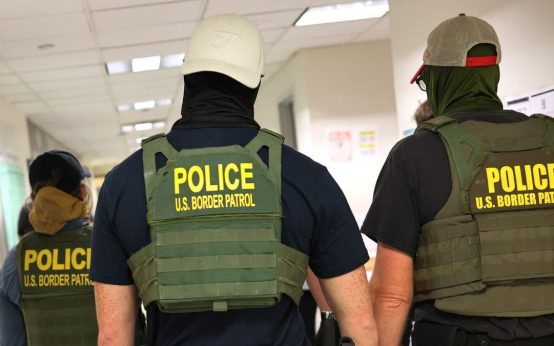 The Surveillance Threat to U.S. Federal Agents
  Trump Administration Distributes ACA Refund Checks
 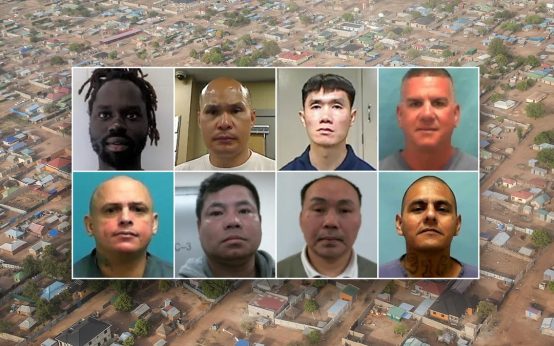 Trump Administration’s Approach to Illegal Alien Deportations
  New Jersey Voter Fraud Prompts Renewed Push for SAVE Act
  Concerns Over Changes to Voter-Registration Form for Americans Abroad
  Trump’s 2024 Campaign Targets Young Men Through Cryptocurrency