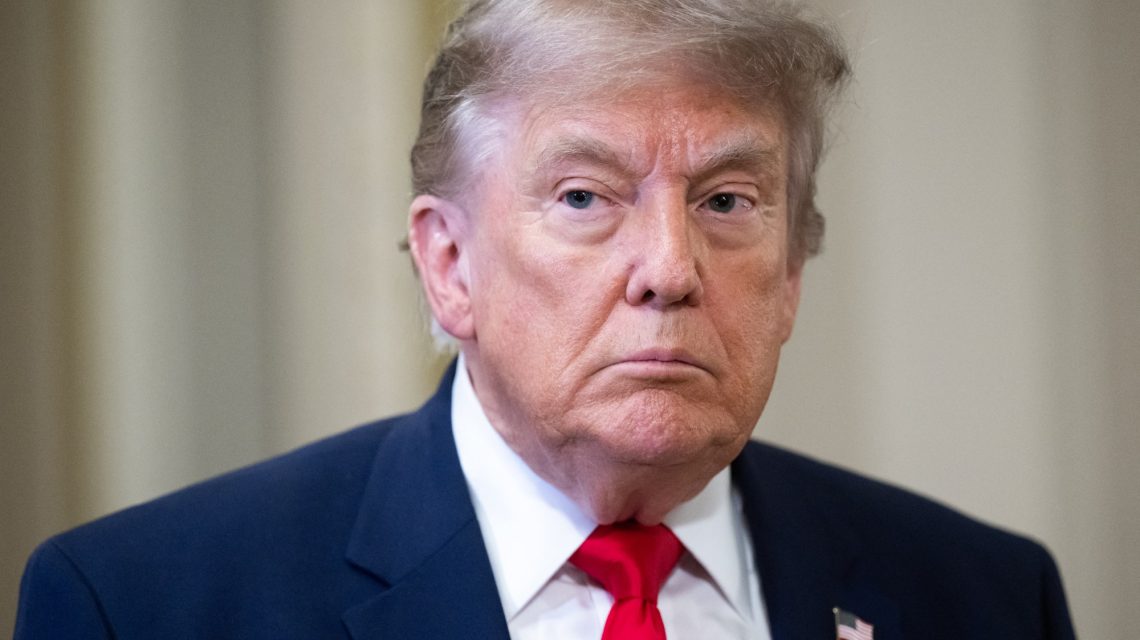
On June 24, 2026, President Donald Trump made headlines by refusing to sign a landmark housing bill passed with strong bipartisan support. The 21st Century ROAD to Housing Act was set to provide significant housing reforms. However, Trump’s decision to leverage Congress to pass the SAVE America Act overshadowed the bill. This proposed legislation, criticized for potentially disenfranchising many voters under the guise of combating voter fraud, spurred controversy.
With Congress approaching a summer recess, some speculated Trump might exercise a pocket veto. Yet, constitutional guidelines clarify that a pocket veto isn’t an option. Once Congress presents an “enrolled bill” to the White House, the president has 10 days, excluding Sundays, to act. The bill could become law if he does nothing unless Congress adjourns within this period, preventing the bill’s return.
“Legal questions abound about the pocket veto during a 10-day recess.”
Despite confusion, the Constitution and precedent are clear. Article I, Section 7 outlines two conditions for a pocket veto: adjournment and bill return prevention. Furthermore, a return veto is favored as it allows Congress a chance to override. The Framers’ intent, evident in the 1787 Constitutional Convention, was to ensure checks and balances, rejecting a non-override veto.
However, the pocket veto emerged to stop Congress from quickly adjourning after passing a bill, preventing the president from returning it. During recesses, legal agents handle veto messages. This mechanism has been used successfully for decades. As the Supreme Court stated in 1938, the Constitution doesn’t restrict the use of agencies for bill returns.
Pro forma sessions in the Senate during breaks and the mechanism for returning vetoed bills ensure constitutional compliance. For Trump to block the housing bill, he would need to issue a return veto. Given the strong support for the bill in Congress, an override seems probable. Yet, Trump’s influence over his party shouldn’t be underestimated.
Ultimately, the nuances of veto power may hold little interest for Trump. Nevertheless, they were crucial to the Founders’ vision, shaping the system of checks and balances that governs the nation.
Robert J. Spitzer, a distinguished service professor emeritus of political science, reflects on these matters in his various works, including “The Presidential Veto” and “President and Congress.”
 State Department Simplifies Passport Process with Online Applications
 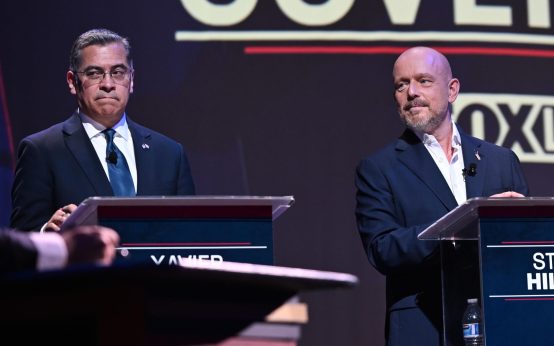 Becerra and Hilton Clash in California Gubernatorial Debate
  California Voters to Decide on $7.5 Billion State Research Fund
 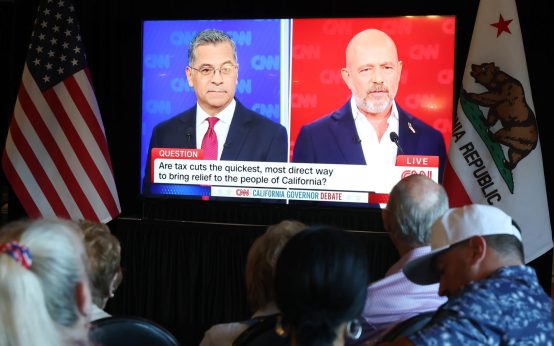 Highlights from the California Gubernatorial Debate: Becerra vs. Hilton
 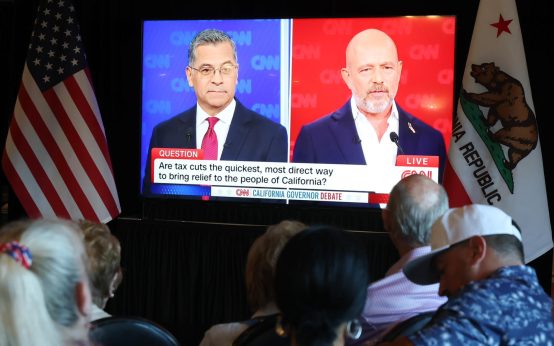 Becerra vs. Hilton: The Debate and Key Issues in the California Governor Race
  Senate Confirms New Labor Secretary