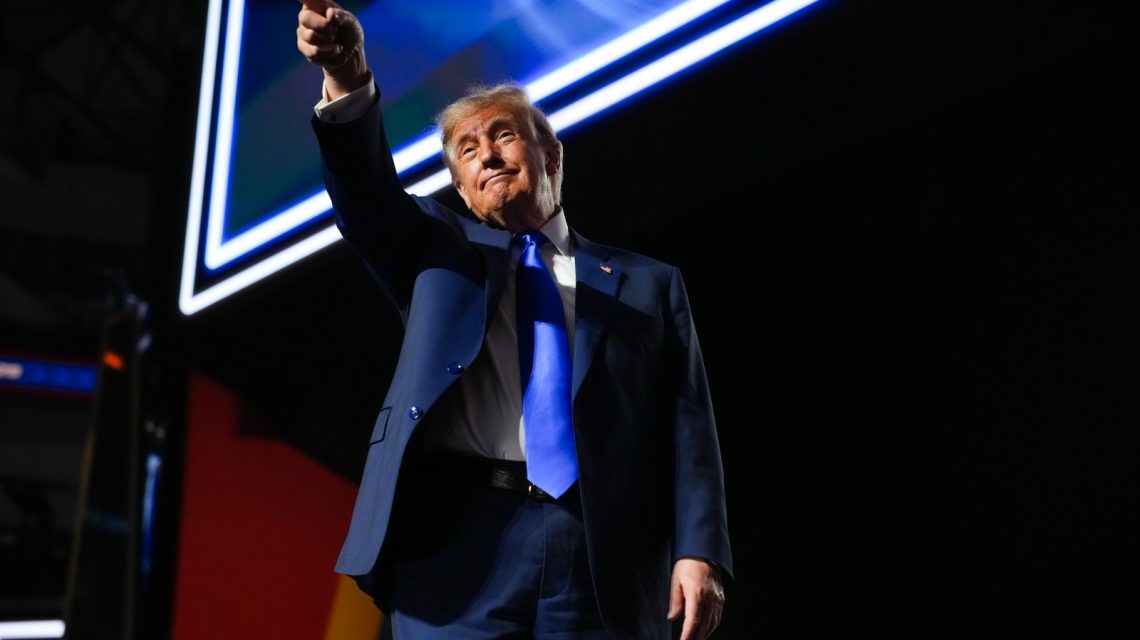
Trump’s Promise and Its Legal Implications
President Donald Trump has pledged to distribute $5,000 to each American citizen if Republicans gain control of both the House of Representatives and the Senate in the 2026 midterm elections. He announced this at the Republican National Convention in Dallas, calling it the “Trump dividend.”
This promise aims to capitalize on economic achievements, drawing a parallel to how successful companies reward shareholders. However, this move raises legal concerns. Legal experts argue that offering such financial incentives may contravene 18 U.S.C. § 597, which prohibits buying votes.
“This would seem to fit what Trump is offering,” commented Barbara McQuade, a former federal prosecutor. She pointed out that this action is not likely shielded by presidential immunity as it was made in a party capacity, not as president.
Michael McAuliffe, another former federal prosecutor, suggests that such statements typically lead to preliminary investigations for legality, noting the brazenness of using financial rewards to influence voting.
Conversely, Neama Rahmani, also a former prosecutor, believes that practical legal actions might not develop. He points out that political speech, often including policy promises, is protected under the First Amendment. He equates Trump’s promise to similar commitments politicians routinely make.
Understanding the Legal Framework
The statute in question prescribes penalties for anyone who offers financial incentives to influence voting. Offenders face fines or imprisonment for up to one year, or up to two years for willful violations, according to Cornell Law School’s Legal Information Institute.
Public Skepticism and Historical Precedents
There is significant skepticism about the feasibility of Trump’s dividend promise. Observers cite past unfulfilled financial promises from Trump’s administration, including proposed tariffs refunds and a “DOGE Dividend.”
Representative Dan Goldman highlighted the improbability of Congress approving such funds, as it contradicts legal and ethical norms. Similarly, Erica York from the Tax Foundation noted Trump’s previous unfulfilled financial pledges, questioning the sincerity of the latest dividend promise.
Estimates suggest the tariffs might cost over $1.2 trillion, raising questions about the financing of any proposed dividends.
Republicans’ Midterm Challenges Amid Poll Trends
Trump’s proposal links directly to the 2026 midterms where Republican majorities are at stake. However, current polls indicate vulnerability for Republicans, especially in the House. Recent data from YouGov, Morning Consult, and Reuters/Ipsos show Democrats leading in the generic ballot by varying margins.
Prediction markets also favor Democrats reclaiming the House, with significant chances calculated on platforms like Kalshi and Polymarket. These markets use political outcome contracts to gauge public sentiment, though they are not always predictive.
Senate Prospects and Democrat Strategies
The Senate presents a more robust challenge for Democrats, needing to flip four seats while defending their current positions. Republicans hold a 53-47 majority, with Vice President JD Vance as the tiebreaker in the event of a tie.
Democrats focus on defending their seats in Trump-favored states while targeting competitive and traditionally Republican areas like Alaska, Texas, Ohio, and North Carolina. The Cook Political Report labels these races as toss-ups, highlighting the need for Democrats to make gains in traditionally conservative areas.
 Marine Veteran Suing Oregon School District Over Curriculum Reimbursement
  Democratic Hopes and Historical Warnings in 2026 Senate Race
  Republicans Face Challenges Amidst Cost of Living Concerns
 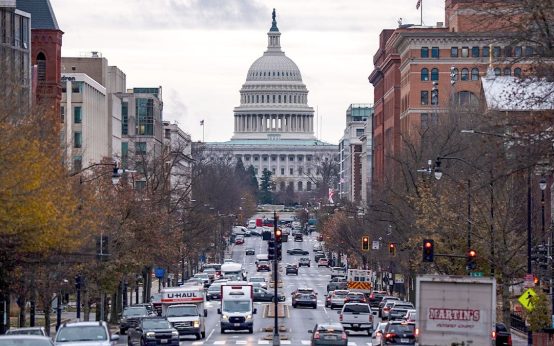 A Different Kind of Fall for Congress This Year
  Tennessee Execution Halted as Issues Persist with Lethal Injection Protocol
 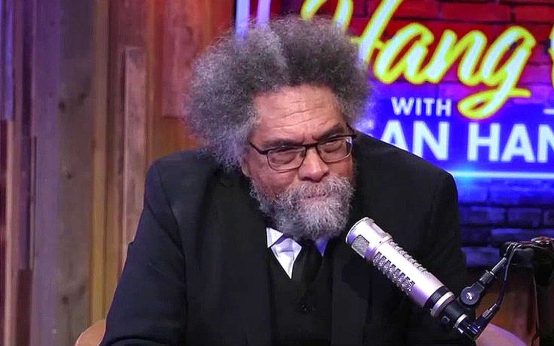 Cornel West and Sean Hannity Discuss Differences on Podcast