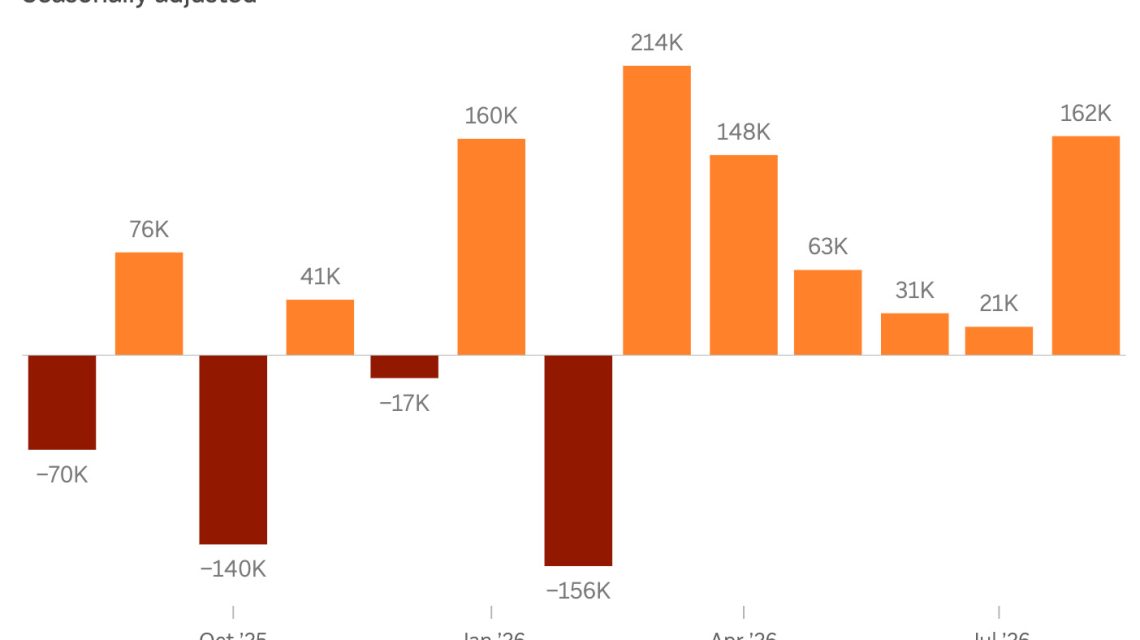
President Donald Trump has frequently promised an economic boom for the United States. However, recent events have stirred frustration for him. A positive jobs report for August should have been beneficial, but it led to Trump’s disappointment. The report showed a gain of 162,000 jobs, a surprising turn after sluggish hiring and inflation concerns.
In an Oval Office address, Trump criticized aspects of the economy. He targeted financial markets, the Federal Reserve, and U.S. trade partners. He disagreed with the common belief that the job growth could fuel inflation. “Success does not cause inflation. Stupidity causes inflation,” Trump stated, dismissing the fall in stock markets over inflation worries.
Economic Challenges in Trump’s Term
Throughout Trump’s term, steady growth has been elusive. He pledged a robust economic surge in a 2024 rally in North Carolina, promising swift action post-election. Yet, the administration has only seen a 2% annual growth rate, slower compared to previous periods.
“When I win the election, we will immediately begin a brand new Trump economic boom,” Trump said at an August 2024 rally.
Trump attributed the slower growth to rising interest rates on U.S. debt. He suggested stopping trade with other countries as a response. Tariffs and oil shortages have contributed to the persistent high inflation. The national debt now exceeds $40 trillion, with 10-year Treasury notes climbing to 4.79% in interest rates.
Public Trust and Economic Perceptions
The gap between Trump’s promises and economic outcomes has affected public confidence. Policies partly responsible for inflation and interest hikes remain under his administration’s umbrella. Joe Brusuelas, RSM US’s chief economist, noted the mismatch between Trump’s predictions and economic reality.
Trump argued for lower interest rates to spur the economy, claiming GDP could grow significantly. He downplayed the risks associated with inflation. In mid-2023, his approval rating related to the economy was notably low at 32%, a significant drop from 50% during the 2018 midterms.
Policy Outlook and Economic Strategies
Amidst these challenges, Trump officials foresee positive changes. They highlight artificial intelligence, tariffs, and tax cuts as future economic drivers. Artificial intelligence is expected to enhance productivity, while tariffs and tax cuts aim to foster domestic investment and reduce fraud.
“I expect higher growth,” said Christopher Phelan, chairman of the White House Council of Economic Advisers. “We’re doing stuff to make good things happen.”
Despite acknowledging that growth alone won’t resolve all fiscal issues, officials maintain a positive outlook. Rising Social Security and Medicare costs outpace revenues, limiting growth’s impact on deficits.
The Complex Path to Economic Stability
To maintain governmental debt, U.S. growth would need to exceed 3% annually over the next decade. Ernie Tedeschi of Stripe cautions against overly optimistic expectations from advancements like AI.
The Trump administration has attempted to bolster economic confidence. Treasury Secretary Scott Bessent and Commerce Secretary Howard Lutnick promoted economic growth at the G20 summit. They work towards debt reduction strategies, yet face political risks associated with lowering budget deficits.
To meaningfully address financial concerns, Trump may need to consider policy adjustments. This could include cutting spending and increasing taxes. Brusuelas suggests reducing government expenses and implementing tax hikes to lower deficits and interest rates.
 Maryland First State to Restrict Electronic Pricing in Grocery Stores
  Activists Push for Nationwide Ban on Child Marriage in the U.S.
  Democratic Hopes and Historical Warnings in 2026 Senate Race
  Republicans Face Challenges Amidst Cost of Living Concerns
  A Different Kind of Fall for Congress This Year
  Cornel West and Sean Hannity Discuss Differences on Podcast