President Donald Trump recently made a bold demand during the ongoing diplomatic talks to end the conflict with Iran. He insisted that several Arab and Muslim nations join the Abraham Accords to normalize their relations with Israel. However, his demands have not elicited any significant reaction from the countries he named, many of which already have diplomatic ties with Israel. The Israeli government also remains silent, even though they stand to gain substantial benefits from such an agreement.
Analysts suggest that Trump’s sudden condition seems unviable and appears to be a desperate attempt at securing a legacy-defining victory from an otherwise unpopular war. Regional observers and diplomats indicate that the countries Trump hopes to engage are not taking these demands seriously.
It’s gaslighting,noted Aaron David Miller, a senior fellow at the Carnegie Endowment for International Peace, reflecting on Trump’s unexpected focus on the Abraham Accords.
A senior Arab official involved in Washington-Tehran peace talks expressed surprise at Trump’s comments, interpreting them as a misunderstanding of the current diplomatic landscape. Countries like Türkiye, Saudi Arabia, Qatar, Egypt, and Pakistan, which played intermediary roles, may expect gratitude rather than additional political burdens.
Asif Durrani, a former Pakistani ambassador to Iran, commented that Gulf states have already faced economic and security challenges due to the conflict escalation. He warned that normalizing ties with Israel amid ongoing regional controversies could exacerbate tensions.
The White House, through spokeswoman Anna Kelly, reiterated that expanding the Abraham Accords is a priority for Trump. The president had previously engaged with leaders of eight Middle Eastern and South Asian nations about this proposal.
Trump even suggested that Middle Eastern leaders might welcome Iran joining the accords. However, his remarks have not received any official reactions, even from Israel, which has heavily invested in expanding these accords.
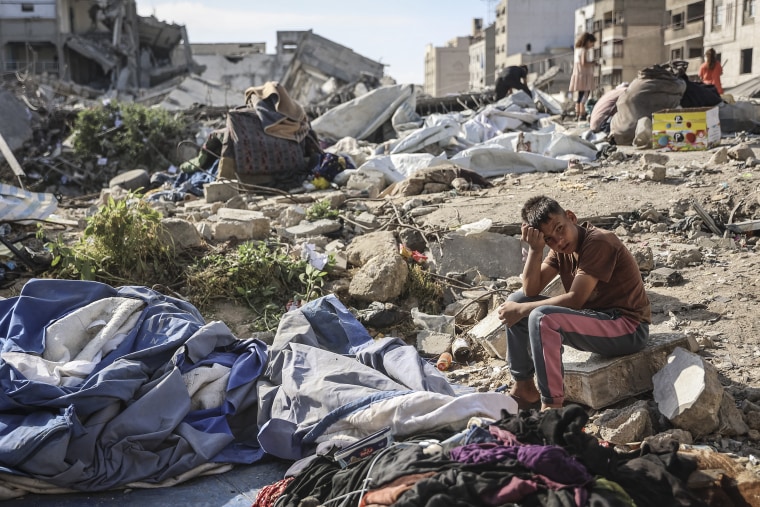
Despite years of warming official relations, Israel’s operations in the Gaza Strip following the October 2023 Hamas-led attacks have stirred significant resentment in the Muslim world. Many Gulf governments view Iran as a significant threat, yet Israel remains unpopular among their populations.
Trump remarked in the Oval Office that he might reconsider any deal with Iran if the countries involved refuse to join the accords. Neither the countries nor Israel’s Prime Minister Benjamin Netanyahu have officially responded. The lack of enthusiasm from Israel signifies how diplomats are beginning to sidestep some of Trump’s ideas.
Saudi Arabia and Qatar have maintained conditions for formal recognition of Israel that involve Israeli acknowledgment of Palestinian statehood, a stance rejected by successive Israeli governments.
Michael Koplow of the Israel Policy Forum explained that while Israel might desire broader accords and normalization with Saudi Arabia, linking these issues with the conflict involving Iran may not align with Israeli interests.
 New Jersey Voter Fraud Prompts Renewed Push for SAVE Act
  Concerns Over Changes to Voter-Registration Form for Americans Abroad
  Trump’s 2024 Campaign Targets Young Men Through Cryptocurrency
  Trump’s White House Visitor Center Proposal Gains Bipartisan Support
  State Department Simplifies Passport Process with Online Applications
  Becerra and Hilton Clash in California Gubernatorial Debate