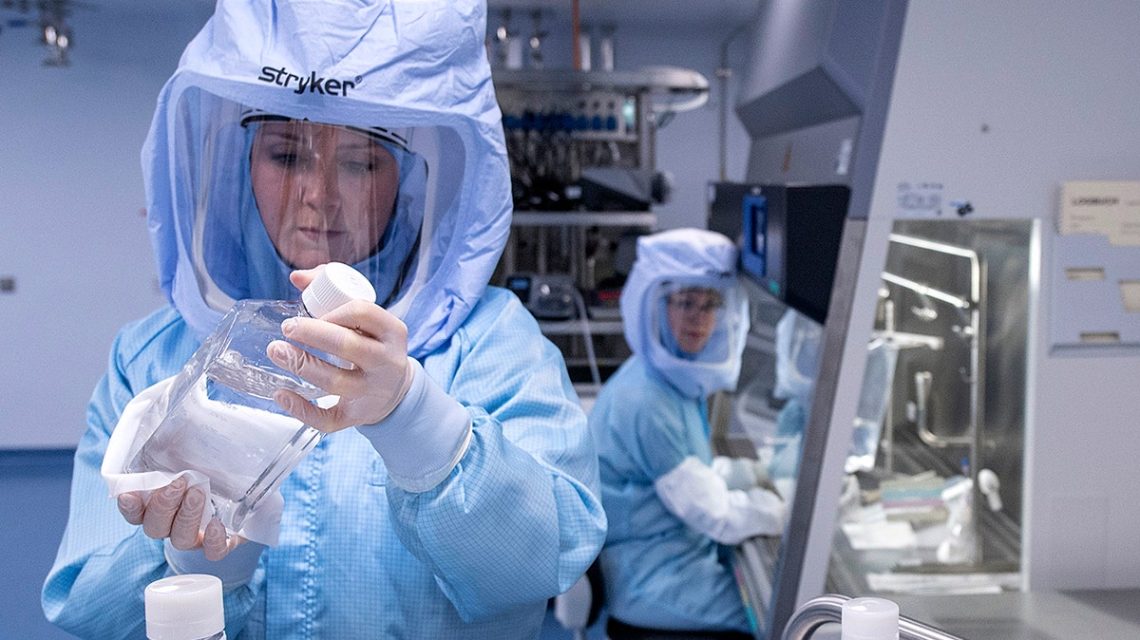
President Donald Trump has secured nine new pricing agreements with drug manufacturers aiming to reduce costs for Americans. These agreements highlight Trump’s commitment to lowering drug prices through negotiations with companies individually.
However, experts suggest that to address high drug prices effectively, efforts should target the root cause: foreign countries benefitting from American drug innovation without equitable contribution. The Trump administration is urged to direct its strategy toward pushing other nations to pay a fair share for medicines developed in the United States.
Challenges with Foreign Pricing Policies
For many years, wealthy foreign governments have utilized price controls, mandatory rebates, and reimbursement delays to lower their expenditure on innovative medicines. This practice leaves American patients carrying a disproportionate share of the costs of drug development. Presently, U.S. patients account for approximately three-quarters of pharmaceutical profits and over half of global research and development spending.
Efforts to correct this imbalance should not focus solely on pressuring U.S. drugmakers. Instead, addressing the disparity requires encouraging other nations to increase their financial contributions. There is concern that tying U.S. drug prices to artificially low international prices, as some propose, could reduce funding for research and development while threatening jobs in the biotech industry.
International Negotiation Efforts
The Trump administration’s negotiation skills offer a potential resolution. By applying similar tactics used in domestic producer negotiations, the administration can press foreign governments to reform their pricing policies. For instance, Trump secured a deal requiring the United Kingdom to increase its spending for new medicines by 25%. A similar investigation into Germany’s pricing policies is underway, providing leverage for future negotiations.
Applying this approach to nations like Japan, France, and Switzerland where similar cost-suppressing tactics are used, could prompt fairer pricing. Studies suggest that if other developed countries matched U.S. drug prices, global pharmaceutical revenue could rise by over $254 billion, potentially boosting American drug innovation and creating jobs.
The Trump administration, committed to lowering drug prices, continues to prioritize negotiations with trading partners. By ensuring foreign countries pay their fair share, the United States can reduce the burden on American patients while maintaining its leadership in biopharmaceutical innovation.
“Trump has shown he’s committed to bringing drug prices down – and that his administration has the negotiating skill and leverage needed to extract real concessions from foreign freeloaders.” – Jeffrey Gerrish, former Deputy U.S. Trade Representative
 State Department Simplifies Passport Process with Online Applications
  Understanding Inflammation: Myths and Facts
 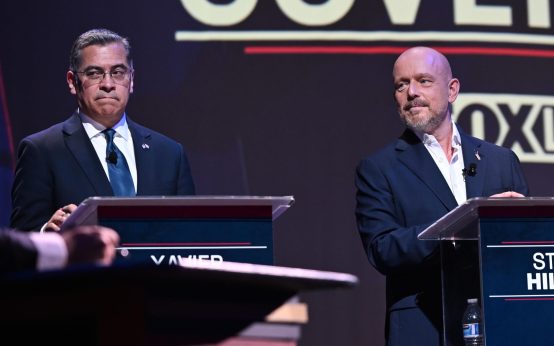 Becerra and Hilton Clash in California Gubernatorial Debate
  California Voters to Decide on $7.5 Billion State Research Fund
 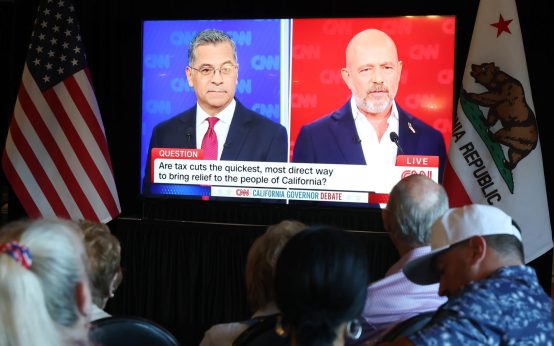 Highlights from the California Gubernatorial Debate: Becerra vs. Hilton
 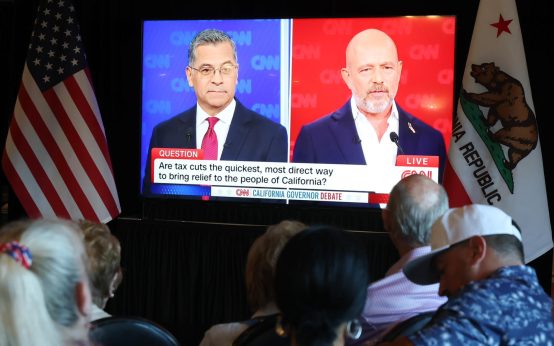 Becerra vs. Hilton: The Debate and Key Issues in the California Governor Race