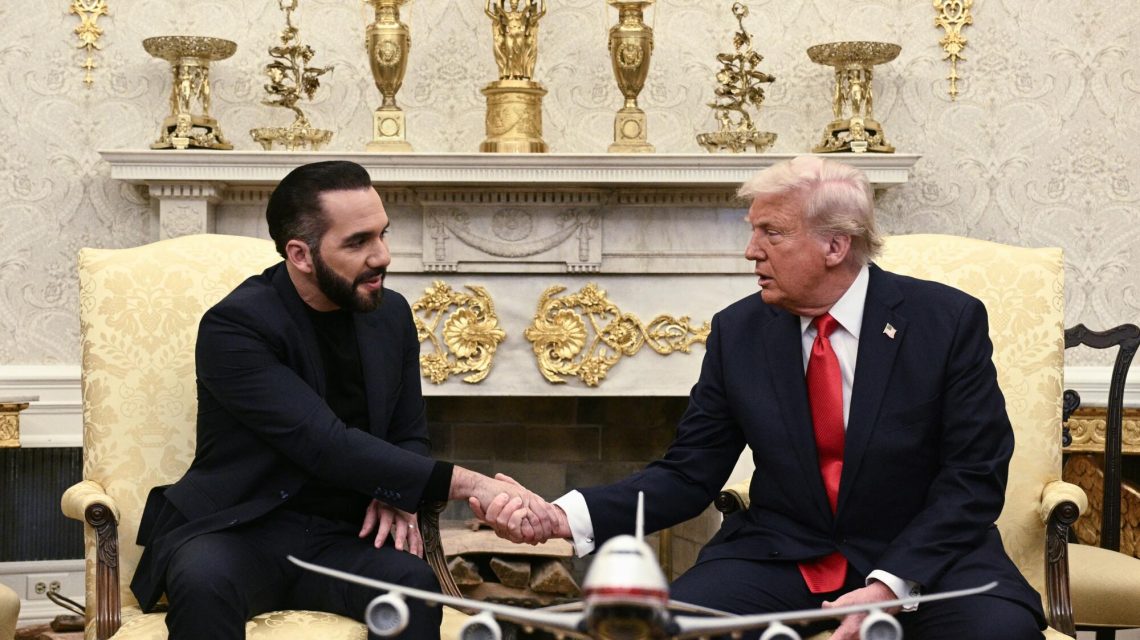
Washington is witnessing a wave of political changes in Latin America, as exemplified by Colombian presidential candidate Abelardo de la Espriella. He pledges to dismantle criminal groups and cut government programs. This includes using military force against ‘narco-terrorist’ camps and constructing large prisons if victorious in the runoff election.
His tough-on-crime stance has drawn support from President Trump, who defies White House norms by influencing foreign elections, notably in Latin America. Trump’s backing of De la Espriella, affectionately dubbed ‘El Tigre’, highlights a convergence of far-right ideologies across borders. After Trump’s endorsement, De la Espriella posted an AI image symbolizing alliance with America using national animals and flags.
De la Espriella, a novice in politics, uses unconventional campaign methods. He emphasizes a hard line against leftist politics and criminal elements, tapping into dissatisfaction over continued crime and inequality in the region. This reflects a broader shift, as Latin America, after years under leftist governments or the ‘Pink Tide’, leans right, with more people embracing conservative views according to Latinobarómetro polls.
Conservatives now lead many countries, aligning more of them with Trump’s vision to counter narcotics, bolster U.S. influence, and address China’s growing presence. Argentina’s Javier Milei and El Salvador’s Nayib Bukele are prominent conservative leaders collaborating with Trump. They champion reduced state roles and strict law enforcement. Ecuador and Chile also engage U.S. support for tackling drug challenges and securing borders.
Peru might soon join this conservative bloc if Keiko Fujimori secures a victory in her election. Conversely, the left still holds sway in Mexico, Colombia, and Brazil. However, it contends with challenges, especially in Brazil, where President Luiz Inácio Lula da Silva faces a strong rival in Flávio Bolsonaro, who follows Trump’s political script despite legal troubles.
Colombia’s election is pivotal, with De la Espriella positioned strongly against Sen. Iván Cepeda, an ally of leftist President Gustavo Petro. Petro has criticized U.S. military interventions under Trump, while encouraging free and independent elections. Mexico’s President Claudia Sheinbaum has also accused Trump of meddling in her country’s politics amid drug crime charges that reach into her party.
The White House has been noncommittal on these accusations of electoral interference, although Trump has warned Mexico on drug trafficking issues. Trump has openly considered monetizing his foreign endorsements, a move criticized for its overt interventionism in international politics.
Despite criticisms, some Latin American countries echo Trump’s tough stances, partly influenced by regional security demands. James Bosworth from Hxagon suggests that local leaders share these concerns, looking to the U.S. for support.
Conversely, figures like Mexican journalist Alex González Ormerod argue that Trump also draws inspiration from regional leaders like Bukele, noted for extreme anti-gang measures.
The political climate in Latin America often shifts dramatically over time. Analysts like Benjamin Gedan from the Stimson Center emphasize that voters frequently unsettle incumbents due to unmet expectations, a phenomenon termed by locals as ‘voto castigo’ or ‘the punishment vote’.
 Sen. Cotton Opposes Permanent Daylight Saving Time
 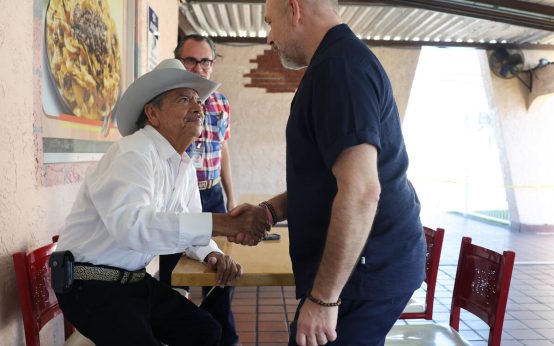 Steve Hilton’s Latino Outreach and Gubernatorial Ambitions
 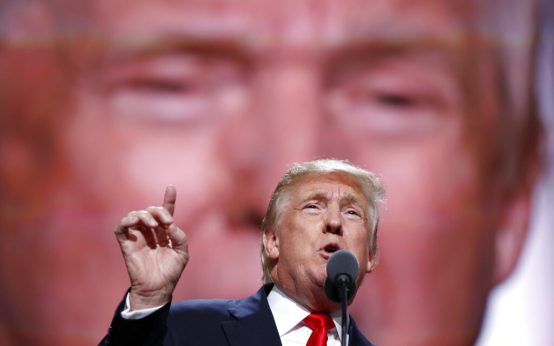 The Need for Reform in Presidential Nominations
 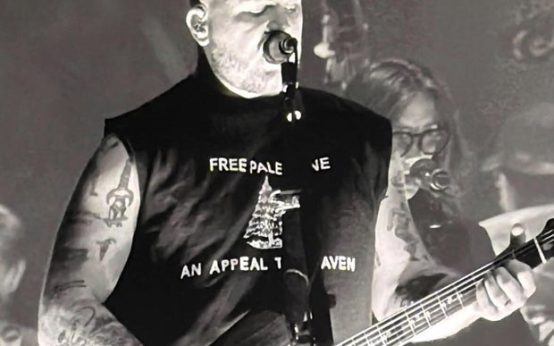 Controversy Surrounds Performances at Gillette Stadium
  Celebrity Controversies Over Political Activism and Speech
  The Threat of Melting Glaciers: A Call to Action