
Treasury Secretary Scott Bessent unveiled new sanctions aimed at Iran, describing the measures as apocalyptic. The Trump administration seeks to use economic pressure to end the ongoing six-month conflict and reopen the Strait of Hormuz. Bessent announced that the U.S. is ending the Iranian threat, declaring that sanctions will cut ‘every economic lifeline’ supporting the regime, aiming to leave Tehran isolated.
Operation Economic Outcast will expand secondary sanctions on countries and entities engaging with Iran. New sanctions target sectors such as technology, shipping, and digital assets. Despite bold claims, Iran experts doubt the new measures will push the theocracy into defeat, despite President Trump’s previous prediction of a swift victory within six weeks.
For decades, U.S. administrations have pressured Iran through sanctions, but the regime has survived through financial maneuvering and smuggling operations, according to the U.S. Treasury. Kate Dourian, a fellow at the Arab Gulf States Institute, highlighted that Iran has developed strategies to cope, suggesting the message was more directed at other countries.
Bessent warned countries maintaining business ties with Iran might face isolation. The new sanctions list implicated 60 entities linked to Iran, located in the UAE, Singapore, Malaysia, Hong Kong, France, the U.K., and notably China. However, the sanctions largely target private Chinese businesses, not major financial institutions, which analysts believe to be a critical omission.
Brett Erickson, a sanctions expert, argued that without targeting China meaningfully, the U.S.’s strategy might not justify potential harm to international relations. Last week, the UAE cut all trade with Iran, potentially impacting the regime significantly. The UAE was Iran’s largest importer in 2024, and Dubai handles a significant portion of Iran’s foreign currency exchange.
China remains Iran’s key partner, with oil sales to China making up nearly 45% of Iran’s budget. Miad Maliki, a senior fellow at the Foundation for Defense of Democracies, explained that Iranian funds from oil sales to China support Iranian proxy groups in the Middle East, such as Hezbollah and the Houthi rebels.
U.S. accusations have been made against Chinese state-backed banks for enabling transactions with refineries processing Iranian oil. Allegations include faking oil origins, altering ship ownership, and avoiding SWIFT global banking requirements.
In response to inquiries about sanctions on Chinese banks, Bessent stated no entity is beyond U.S. sanctions’ reach. He hinted at a forthcoming major announcement about a sanctioned financial institution.
Chinese Foreign Ministry spokesman Lin Jian expressed opposition to U.S. unilateral sanctions and vowed to protect China’s interests.
Iranians continue to endure hardships from U.S. sanctions, with their currency’s value plummeting. Maritime trade remains essential, said the head of the Iran-China Chamber of Commerce. Iranian Economy Minister Ali Madanizadeh asserted Iran is prepared for new sanctions, predicting they will lead to another Trump administration defeat.
 Democratic Hopes and Historical Warnings in 2026 Senate Race
  Republicans Face Challenges Amidst Cost of Living Concerns
 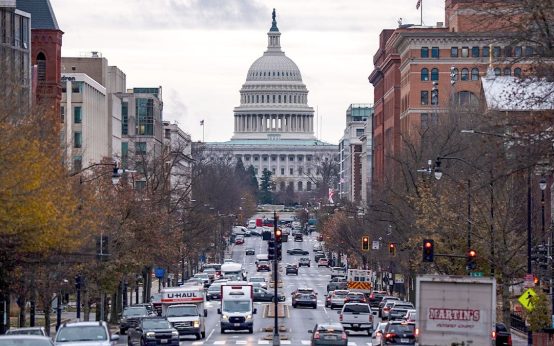 A Different Kind of Fall for Congress This Year
  Investigation into Alleged Incident at Cornell University
  Cornel West and Sean Hannity Discuss Differences on Podcast
 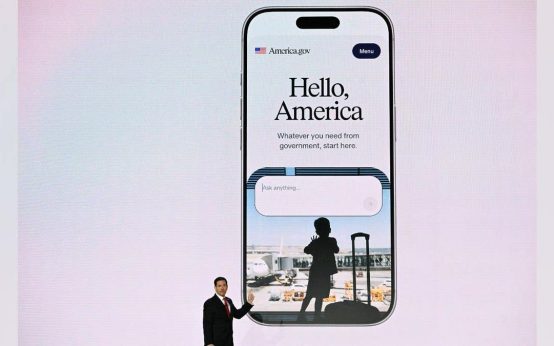 Trump Unveils AI-Powered America.gov Platform