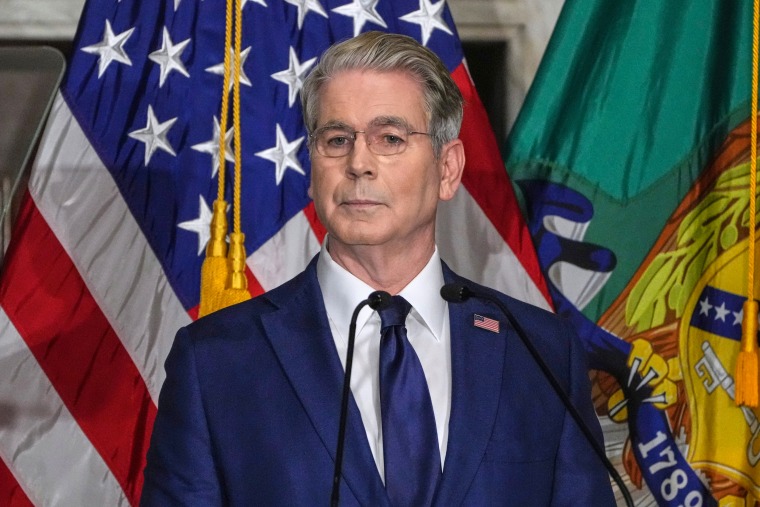
Treasury Secretary Scott Bessent revealed plans for a series of new sanctions aimed at intensifying economic isolation of Iran. These sanctions target international entities involved in Iranian trade related to shipping, oil, cryptocurrency, gold, and aviation.
President Donald Trump is actively communicating with global leaders to request halting trade with Iran. According to Bessent, the U.S. aims to execute an ‘economic onslaught’ to detach Iran’s global financial connections, aiming to make Tehran economically isolated.
The Treasury disclosed sanctions on nearly 60 entities and individuals across various jurisdictions for enabling Iranian ‘recklessness’; these include several Chinese nationals. China has declared compliance with unilateral U.S. sanctions illegal for its citizens.
Bessent noted that the U.S. is engaging in ‘quiet diplomacy’ with Iran’s trade partners to caution them about the potential consequences of continued trade with Tehran. The U.S. sanctions encompass removal from the dollar system for entities involved in money laundering for Iran.
‘No one is above the reach of U.S. sanctions,’ Bessent confirmed, introducing a ‘cure period’ for nations to cease targeted relations with Iran. Markets showed limited response to these remarks.
The U.S. has maintained direct sanctions on Iran for illegal activities, including arms procurement, yet Iran has occasionally circumvented them through new front companies. Bessent pledged a monumental financial offensive in a Financial Times op-ed, emphasizing the objective of eliminating economic support sustaining Iran’s regime.
Bessent spoke at the Treasury Department in Washington, highlighting strategies against secondary countries whose trade still benefits Iran. Ahead of the unveiling, the United Arab Emirates, allied closely with the U.S., declared cessation of all trade relations with Iran.
Experts have indicated the success of Bessent’s strategy depends on Iran’s key trading partners — China, India, and Russia — assessing the credibility of U.S. threats. Andrew Gawthrope of Leiden University emphasized the difficulty in persuading nations allied with Iran to cease trading, citing the potential damage to diplomatic credibility.
Recent U.S. actions against Iran aimed at preventing nuclear weapon acquisition have led to substantial costs. Defense Secretary Pete Hegseth estimated that war expenditures reached $37.5 billion, potentially impacting U.S. households with increased living costs exceeding $1,200.
Politically, this has affected Trump adversely with approval ratings dropping, becoming a liability ahead of midterm elections. Economic repercussions include market instability requiring Treasury intervention.
Iranian responses matched Bessent’s speech, with Mohammad Bagher Ghalibaf and Kazem Gharibabadi openly dismissing U.S. actions as ineffective despite America’s extensive sanctions history.
Iran’s Central Bank head, Abdolnaser Hemmati, affirmed managing anticipated hardships by stockpiling foreign currency to ensure essential goods and medicine supply. The Grand Bazaar in Tehran experienced discontent over currency devaluation and increasing gas prices, with authorities displaying concern over possible protests.
Ahmadreza Radan, Iran’s police chief, alleged U.S. attempts to incite unrest leveraging economic difficulties. Previous violent demonstrations reflected public dissatisfaction calling for theocracy abolition.
Despite early hopes for internal opposition by Trump, Iran’s government has strengthened authoritarian control since the war commenced. Even following the death of Ayatollah Ali Khamenei, his successor Mojtaba Khamenei maintains and empowers hard-line governance.
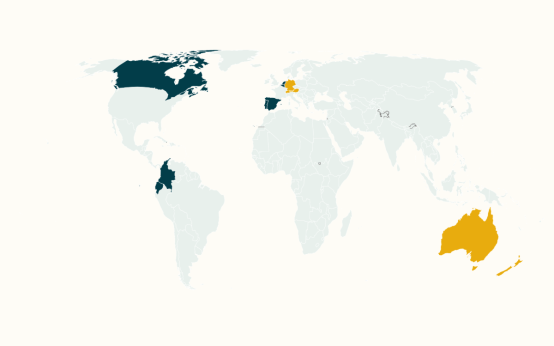 Dutch Review Board’s Euthanasia Ruling and International Debate
 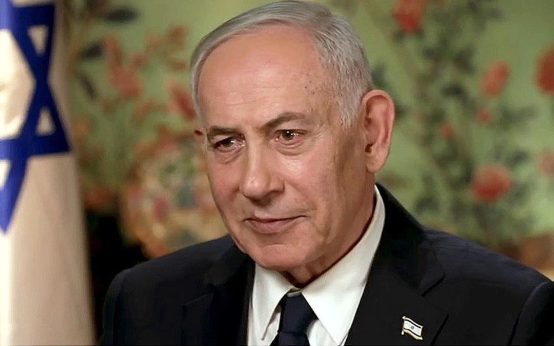 Israeli PM Commends Heroic Actions in Flight Emergency
  Rabbi and Jewish Leaders Criticize Adam Brody for ‘Genocide’ Comment
  Flydubai’s Emergency Landing Highlights Cockpit Security
  Former Israeli PM Naftali Bennett Commends Passengers and Crew for In-Flight Heroism
 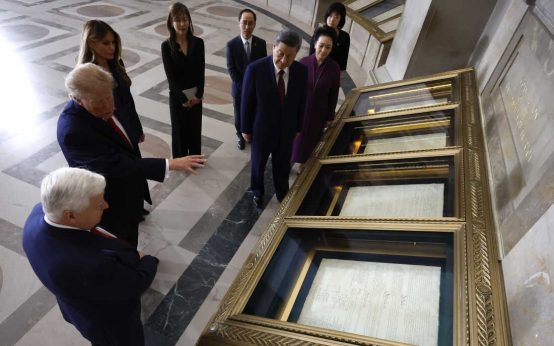 Diplomatic Complexities Unfold at U.S. National Archives Visit