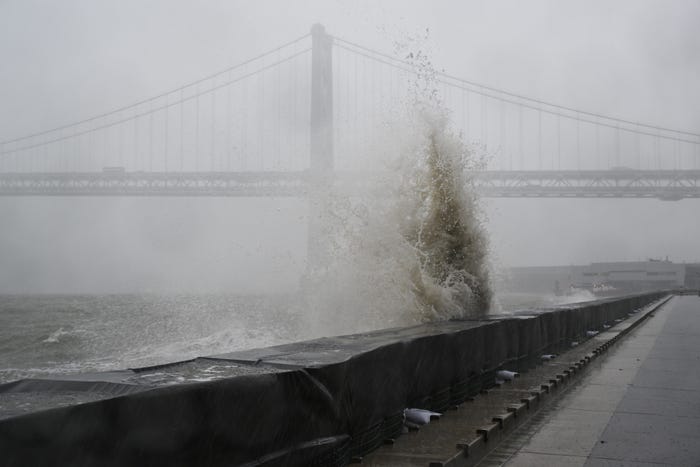
This year’s El Niño ranks among the most intense in recent history, significantly influencing weather patterns in the United States and beyond. The Climate Prediction Center (CPC) estimates a 60% probability that this El Niño might surpass those recorded since 1950. El Niño, as defined by the National Ocean Service, involves the push of warm water eastward resulting in high sea temperatures in the central and eastern tropical Pacific.
Global and Regional Effects
The phenomenon influences marine ecosystems and induces considerable weather shifts. Impacts vary by region and may include heavy snowfall, storms, or milder winters. Several nations including those in South and Central America, the Philippines, and the United States have issued alerts or declarations to address risks such as drought, flooding, and storms.
El Niño’s Continued Intensification
According to the CPC, the El Niño event is expected to peak between January and March 2027, stabilizing by April. Earle Wilson, an assistant professor at Stanford University, notes that ocean temperatures are notably warmer for this time of year. This is an unusual characteristic of the current El Niño.
Weather Predictions Across the United States
In the northern United States, including the Pacific Northwest and the Great Lakes, warmer winters are likely. The CPC forecasts below-average precipitation in these regions, which could impact ski resorts and recreational activities. Snowfall might remain minimal, particularly as climate change exacerbates the general decline in snow levels.
Flooding and Coastal Concerns
Governor Gavin Newsom of California declared a state of emergency due to possible storm surges during El Niño events. In November, an “atmospheric river” caused significant flooding and infrastructural damage in areas like the Bay Area.
El Niño has also raised the sea level along the Californian coast, increasing the possibility of coastal erosion. Jayme Timberlake, a coastal zone administrator, highlighted ongoing efforts to mitigate these risks.
Variable Snowfall Situations
In the mountainous regions of the western United States, abundant snowfall is projected. November forecasts by the National Weather Service suggested heavy snowfall in the Sierra Nevada, with up to 30 inches expected in some zones.
From December through February, southeast states are likely to experience increased rainfall. The CPC estimates high chances of above-average precipitation in states like Florida, Georgia, and the Carolinas.
Factors Affecting Drought Conditions
While droughts might alleviate in the Southwest, Southern Great Plains, and Southeast, conditions could deteriorate in the northern Rockies and parts of Washington and Oregon. The National Oceanic and Atmospheric Administration’s forecast up to January 2027 indicates a complex response to El Niño’s current trajectory.
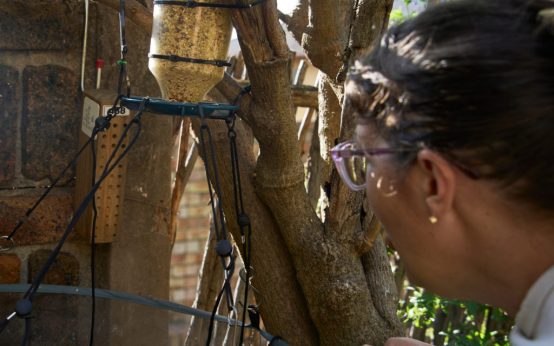 Exploring the World of Solitary Bees in Urban Environments
 Pacifica Pier Collapses Amid King Tides, Intensifying Coastal Hazards
 Jensen Huang Returns to Nvidia and AI’s Breakthrough in Mathematics
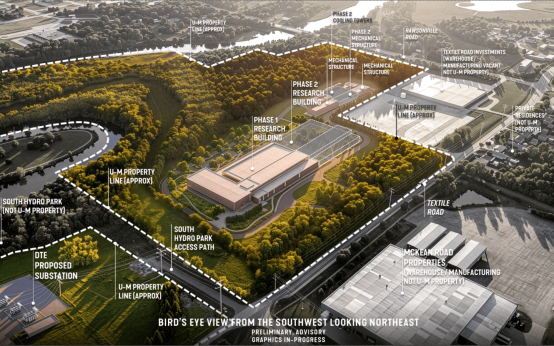 Community Opposition and University Plans Clash in Ypsilanti Township
 Rare Burbot Fish Found in New York with Unique Color
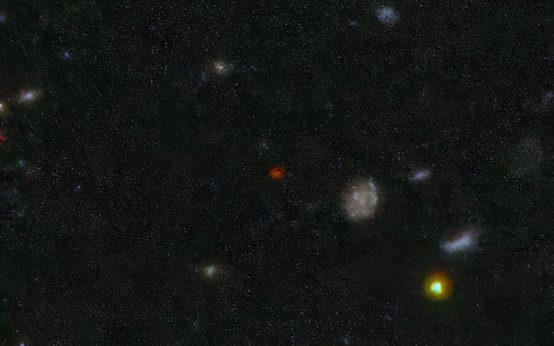 Discovery of the Most Distant Quasar