The national vaccine court, established quietly a short distance from the White House, operates as a model of effective public policy. It aims to balance the societal benefit of widespread vaccination against the rare occurrences of individual harm. Since its founding in the 1980s, this court has awarded billions in compensation to Americans claiming vaccine-related injuries.
Jacob Thompson’s Story
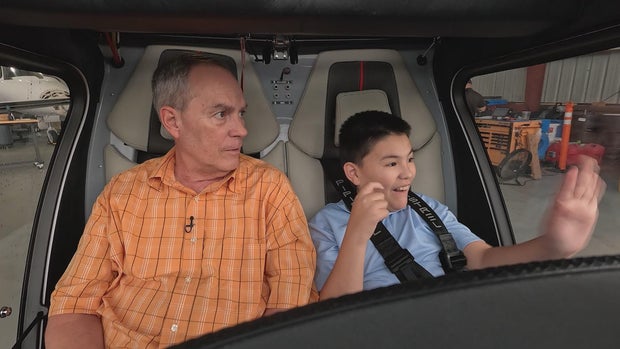
At the age of 13, Jacob Thompson can say only a few words and requires assistance to walk. His condition is believed to trace back to the DTaP vaccine, received during a routine checkup when he was six months old. Subsequently, Jacob began experiencing severe seizures and was later diagnosed with a rare form of epilepsy.
The Thompson family turned to legal channels for accountability, seeking help from Renée Gentry, a prominent vaccine injury attorney. Gentry leads the Vaccine Injury Litigation Clinic at George Washington University Law School. She represents both children and adults who have experienced vaccine-related injuries.
The Court’s Function and Structure
The vaccine court operates under the National Vaccine Injury Compensation Program (VICP). It was set up in response to public health concerns in the 1980s when lawsuits threatened to deplete vaccine supplies. Congress crafted a bill that shielded manufacturers from direct lawsuits, thereby encouraging the continuation of vaccine development.
This court is considered a ‘no fault’ jurisdiction. Claimants need only show that it is more likely than not that a vaccine caused their injury. There is no necessity to prove negligence. Since the VICP began, nearly 12,000 individuals have received payouts totaling close to $5 billion.
Funding and Compensation
A tax of 75 cents on every recommended vaccine dose funds the compensation program. Lawyers working in this court are paid by the hour, not through financial windfalls. Recently, the Thompsons received a $2.1 million judgment and a lifetime annuity for Jacob, attributed to the aggravation of an underlying genetic mutation by his six-month immunization.
Controversies and Concerns
Despite the court’s existence, delays are frequent, with some cases languishing for years. A backlog of over 3,000 cases persists due to limited resources, as evidenced by pleas from the court’s chief special master asking Congress for additional support.
Additionally, the topic of vaccine-related autism has sparked considerable debate. In earlier years, extensive hearings examined the possible link between vaccines and autism, ultimately concluding no evidence supported such claims.
The Importance of Awareness
Families like the Thompsons emphasize that while vaccines are pivotal public health tools, they come with certain risks. They advocate that parents remain informed about both the benefits and potential side effects of immunizations.
In the wider debate surrounding vaccinations, the national vaccine court stands as both a safeguard for public health and a source of relief for those affected by vaccine injuries. It highlights the necessity of maintaining a balanced, bipartisan approach to vaccine policies.
 Increased Funding Needed for Psychiatric Hospitals
  Trump Administration Distributes ACA Refund Checks
  Higher Consumption of Ultra-Processed Foods Linked to Increased Health Risks
  Understanding Inflammation: Myths and Facts
  Calm Parenting: Strategies to Manage Stress
  Trump’s Executive Order to Combat Mosquitoes and Ticks in D.C.