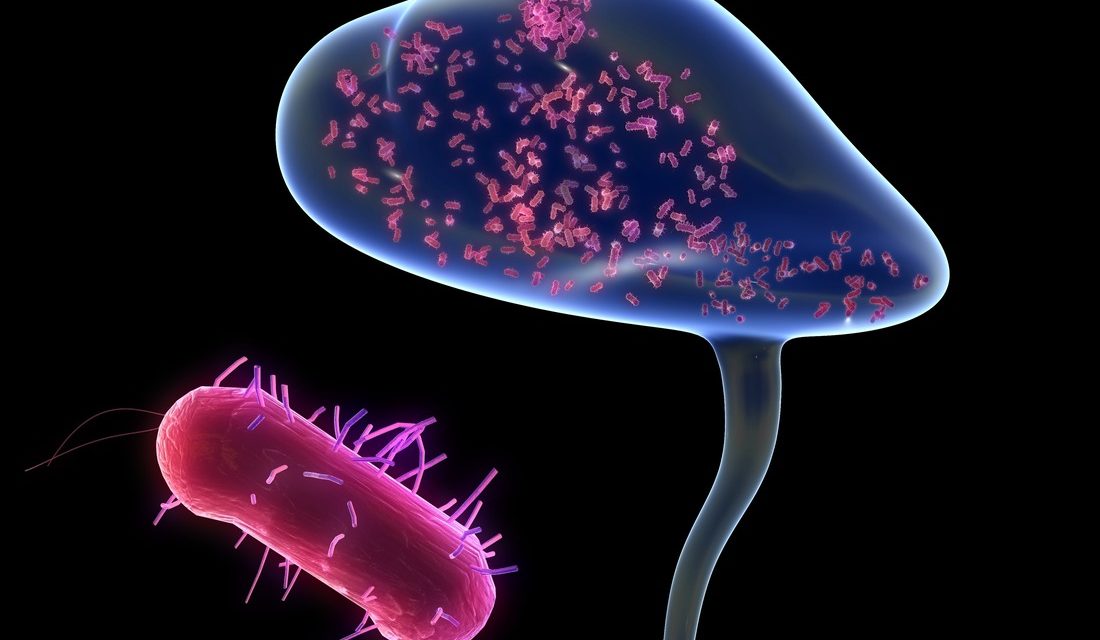
Annually, over 400 million urinary tract infections (UTIs) occur worldwide. A common type of UTI involves bladder inflammation caused by the bacterium E. coli. This condition affects a significant portion of the population, with 60% of women and 10% of men experiencing a UTI in their lifetime. Such infections can be painful and inconvenient, leading some individuals to feel embarrassment or shame.
Contrary to the belief that UTIs are solely related to hygiene practices, recurring infections affect one in four women despite their efforts to prevent them. Recurrence is defined as two infections within six months or three within a year. A study in Nature Microbiology by researchers at Washington University in St. Louis explores another factor: epigenetic changes in bladder cells that increase vulnerability to subsequent UTIs.
Anatomy of the Urinary Tract
The urinary tract functions as the body’s drainage system, spanning much of the torso. It removes urine, containing various toxins and excess water and salt. The urinary tract includes:
- Two kidneys beneath the rib cage, each the size of a fist
- Two ureters, muscular tubes connecting kidneys to the bladder
- A bladder, a hollow organ located between the hip bones
- The urethra, a tube where urine exits the body
UTIs occur when bacteria, often uropathogenic E. coli (UPEC), infect parts of this tract, frequently the bladder. Indira Mysorekar, a microbiologist at Baylor College of Medicine, has studied how UTIs develop. She notes that bacteria can hide within bladder cells, evading the immune system, which allows them to multiply rapidly, causing an infection.
Recurrent Infections: Renewed Insights
Research suggests recurrent UTIs could result from bacteria lingering in the bladder despite treatment. Mysorekar describes dormant bacterial pockets as potential sources of repeated infections. Additionally, wounding of the bladder lining, part of the body’s repair mechanism, plays a role in recurrent infections.
The research team observed mice with varying infection severities. Mice with mild infections recovered fully, while those with severe infections, even after antibiotic treatment, often faced recurrences. Investigations revealed that severe infections led to epigenetic changes in bladder cells. These changes involved markers on DNA that influenced immune responses to future UTIs, exacerbating subsequent infections.
Hope and Future Implications
The study offers hope for those facing recurrent UTIs. The findings relieve some individuals of the misconception that infections stem from personal negligence. Megan Pratz, a long-time sufferer of recurring UTIs, expressed hope that understanding these changes could lead to effective treatments for her condition.
Tom Hannan, an immunologist and co-author of the study, remains optimistic about the research’s potential. He speculates that epigenetic changes might reverse over time, particularly if individuals remain infection-free for extended periods. Such developments could improve resistance to bacterial infections.
NPR’s global health blog, Goats and Soda, recently covered this Washington University study. For more insights, tune into the Short Wave podcast available on Spotify, Apple Podcasts, and Google Podcasts.
 Increased Funding Needed for Psychiatric Hospitals
  Trump Administration Distributes ACA Refund Checks
  Higher Consumption of Ultra-Processed Foods Linked to Increased Health Risks
  Understanding Inflammation: Myths and Facts
  Calm Parenting: Strategies to Manage Stress
  Trump’s Executive Order to Combat Mosquitoes and Ticks in D.C.