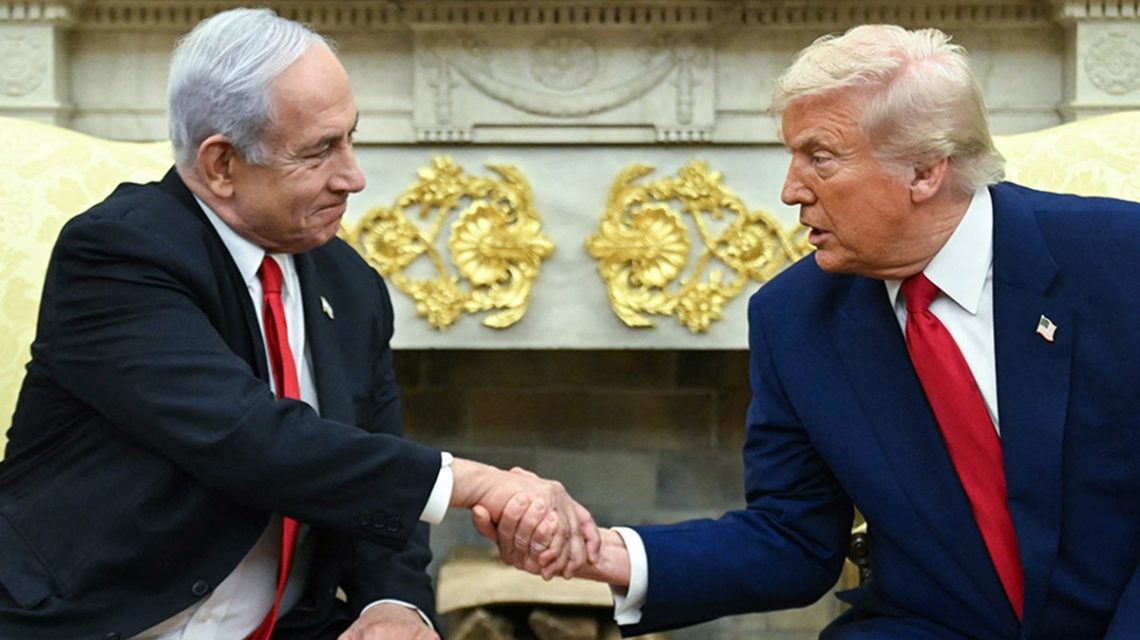
For over a decade, the U.S.-Israel Education Association (USIEA) has provided American lawmakers with a direct view of Israel’s key alliances and advancements. Established in 2011, the USIEA focused on enhancing knowledge of Israel’s security, technology, and geopolitics among U.S. Congress members who influence decisions in Washington.
Heather Johnston, USIEA Founder and President, reminisced on these achievements during a conversation with Fox News Digital. Johnston highlighted her early interactions with Eric Cantor, where she outlined the objective of promoting educational visits to Israel for U.S. legislators.
“He was surprised since he had been seeking someone to lead those tours for two years,” Johnston shared.
The organization’s initial journey saw five House Armed Services Committee members witness an emerging defense innovation, the Iron Dome. Back then, Israeli Prime Minister Benjamin Netanyahu needed to declassify the system to allow American legislators a firsthand look. The impressive capabilities of the Iron Dome motivated U.S. lawmakers to boost its funding. Shortly after their return to Washington, these members engaged 54 more Congress members, leading to a tripling of the budget for Iron Dome in under three months.
Notable figures, such as President Obama, have underscored America’s unwavering support for Israel’s security. This commitment resonated in his meetings with Netanyahu, asserting, “The United States will always support Israel’s safety.”
The U.S.-Israel alliance witnessed further developments with contributions from USIEA. Netanyahu credited Johnston and the association for fortifying the partnership, remarking, “For 15 years, Heather Johnston and USIEA have been staunch allies of Israel, supporting Jewish rights in our homeland.” USIEA facilitated backing for vital U.S.-Israel projects, nurturing this enduring relationship.
The Iron Dome’s funding exemplified how firsthand experiences catalyzed major congressional actions. Over the years, the alliance evolved amidst different administrations, significant accords, and regional conflicts. Former U.S. Ambassador David Friedman depicted the fluctuating Washington-Jerusalem relation over 15 years as an “EKG,” with pronounced highs and lows.
Friedman underscored how U.S. lawmakers gradually acknowledged Israel’s value in technology, health, and defense. He believes that bipartisan interest in mutual benefits exists, despite divisive concerns.
Current U.S. Ambassador Mike Huckabee reinforced Friedman’s perspective, suggesting Americans often underestimate the profound U.S.-Israel partnership. “Most don’t fully realize the depth of our cooperation,” Huckabee explained, stressing military collaboration against Iran’s nuclear ambitions as a significant facet.
Huckabee highlighted the operational camaraderie displayed during joint missions, where mixed military teams exemplified unified efforts. He asserted that USIEA’s initiatives extend past showcasing military coordination, arguing that witnessing realities on the ground reshapes the understanding often missing from a Washington viewpoint.
He remarked, “Misinformed perceptions about Israel are promptly overturned,” citing high-ranking Arab citizens in Israel as examples challenging stereotypes.
In contemplating the future, Johnston envisages a broader mission scope as the U.S.-Israel ties extend further beyond conventional collaborations. Johnston stated, “We aim to present emerging developments, not solely the existing educational and collaborative aspects.”
Rachel Wolf, serving as a media and culture correspondent for Fox News Digital, covered this narrative.
 Trump Administration’s Approach to Illegal Alien Deportations
 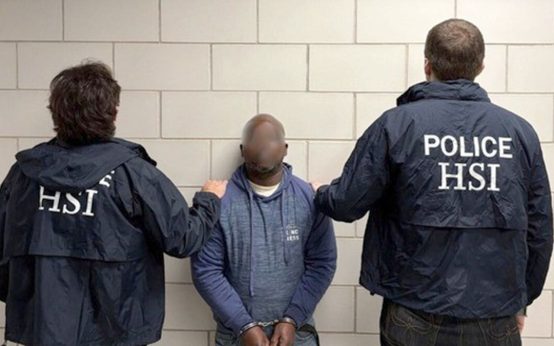 New Jersey Voter Fraud Prompts Renewed Push for SAVE Act
  Concerns Over Changes to Voter-Registration Form for Americans Abroad
  Trump’s 2024 Campaign Targets Young Men Through Cryptocurrency
  Trump’s White House Visitor Center Proposal Gains Bipartisan Support
  State Department Simplifies Passport Process with Online Applications