Hospitals in Venezuela are facing a lack of medicines and equipment, and the country experiences daily power outages. At least 8 million people are in need of humanitarian support. These were the conditions before Venezuela was hit by two powerful earthquakes on June 24. Experts have long described Venezuela as being in a complex humanitarian emergency.
Venezuela has struggled with democratic backsliding, corruption, inflation, and economic sanctions. These challenges have deprived citizens of access to essential services. According to the United Nations, nearly 8 million Venezuelans have fled over the past decade, marking one of the largest displacement crises globally. Phil Gunson, a senior analyst with the International Crisis Group who has lived in Venezuela for decades, commented on the ongoing societal collapse.
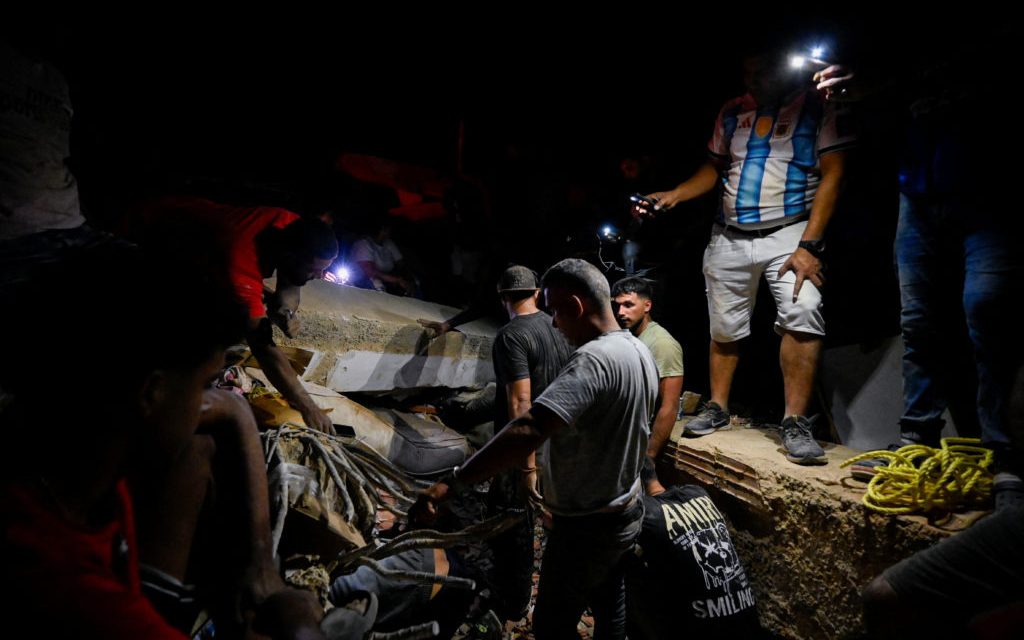
In the week following the consecutive 7.2 and 7.5 magnitude earthquakes that struck northern Venezuela, civilians were seen digging through rubble with bare hands, appealing for government assistance. The country’s longstanding crisis led to a disorganized response, leaving citizens vulnerable, said Laura Cristina Dib from the Washington Office on Latin America.
The Venezuelan government reported 2,295 fatalities and 11,000 injuries from the earthquakes, though these numbers are likely underestimated. Gianluca Rampolla del Tindaro, the United Nations’ humanitarian coordinator for Venezuela, mentioned the procurement of 10,000 body bags. U.N. emergency relief coordinator Tom Fletcher described the estimate of 50,000 missing people as plausible.
Before the earthquakes, the U.S. military had captured Venezuelan leader Nicolás Maduro, who had held power since 2013. Delcy Rodríguez assumed control as interim leader, collaborating with President Donald Trump’s administration. The capture of Maduro presented hope for economic and democratic recovery, said David Smilde from Tulane University. The U.S. eased sanctions, allowing oil sales, but no concrete electoral plans were announced.
Despite Maduro’s removal, institutional weaknesses persisted. Orlando Pérez from the University of North Texas noted that the existing organizations were not rebuilt. The earthquakes devastated a country already at its limits. Gunson predicted an inadequate governmental response, reflecting the regime’s focus on survival and resource extraction.
Following the disasters, Rodríguez declared a state of emergency and appointed Juan Ernesto Sulbarán Quintero to lead rescue efforts. They accepted international aid regardless of political differences. Twenty-seven countries and 40 search-and-rescue teams were involved in the response.
However, residents reported insufficient government presence. Firefighters and civil defense workers operated under constraints. Volunteers organized efforts, demonstrating low expectations of government help. Gunson noted the lack of resources and planning as significant challenges.
Issues also arose regarding aid access. Several international groups faced entry delays or denial. Rodríguez’s government restricted access to affected areas to control congestion, causing public anger. Pérez highlighted the government’s inefficiency in protecting its citizens.
Recovery and rebuilding are the focus as the country progresses. The United Nations estimates $6.7 billion in physical damages. Housing and healthcare needs will be significant. Gunson stated that natural disasters affect politics, though outcomes depend on subsequent actions.
The United States has pledged $300 million in aid and deployed troops. Trump’s earlier remarks suggested the U.S. would manage Venezuela post-Maduro. Pérez emphasized the importance of continued U.S. engagement during Venezuela’s recovery.
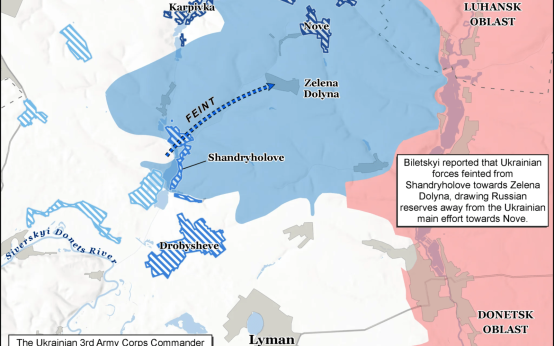 Ukraine Converts APCs to Explosive Devices in Donetsk Offensive
 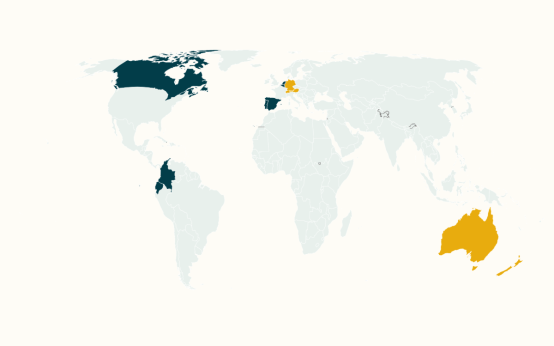 Dutch Review Board’s Euthanasia Ruling and International Debate
 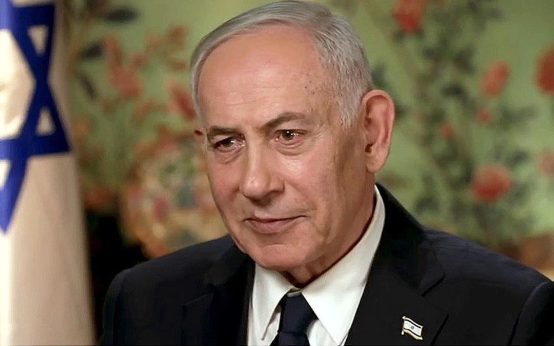 Israeli PM Commends Heroic Actions in Flight Emergency
 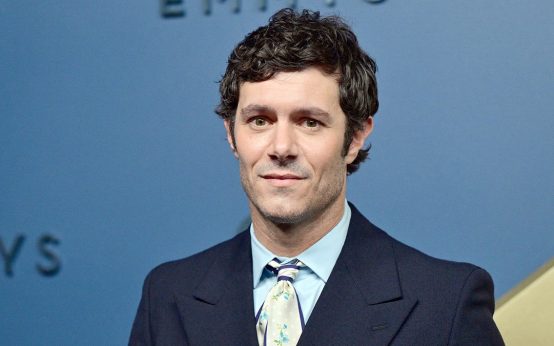 Rabbi and Jewish Leaders Criticize Adam Brody for ‘Genocide’ Comment
  Flydubai’s Emergency Landing Highlights Cockpit Security
 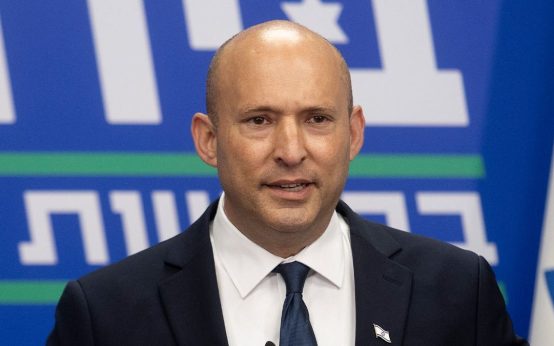 Former Israeli PM Naftali Bennett Commends Passengers and Crew for In-Flight Heroism