
Artificial intelligence (AI) has rapidly transitioned from being a novel concept in workplaces to becoming an essential tool. A recent Gallup survey highlighted this trend, revealing that by February 2026, 52% of U.S. employees and 68% of those in professional services were using AI in their jobs. A similar study by Thomson Reuters in the spring of 2026 found that 74% of professionals engaged with AI multiple times each week.
With this widespread adoption, concerns about accountability for AI-generated mistakes have surfaced. There’s a growing debate over who should be responsible for errors that AI makes—the professionals using it or the companies that develop these systems?
Historically, AI has been used for simple tasks. However, its capabilities have expanded, creating new challenges. When AI systems err, pinpointing responsibility becomes crucial. The prevailing view is that the professionals relying on AI outputs should bear the responsibility for any mistakes made. This perspective places the burden on individuals using AI in their work, rather than the developers who created the systems.
As AI continues to evolve, the debate on accountability remains a significant topic for industries reliant on this technology. It calls for clear guidelines to ensure ethical and responsible AI use in professional settings.
 A Cybersecurity Approach to AI Offers Potential Solutions
  Urgent Ukrainian Request to SpaceX Over Starshield Restrictions
 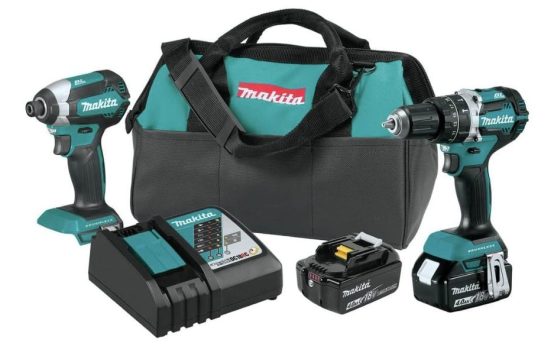 Makita Drills: A Comprehensive Buying Guide
  High School Students Explore Surgical Robots
  AI Training in Indian Factories Sparks Workforce Concerns
  OpenAI Employee Arrested for Eavesdropping with Recording Device