
Thousands needed to leave a remote Minnesota wilderness accessible only by boat. Wildfires sent thick smoke across the Midwest and Northeast.
Over 100 wildfires burn in Canada, pushing smoke to the southeast. Warnings about poor air quality stretched from Minnesota to Toronto and into New York. Forecasters predict hotter than usual summer temperatures.
Stay indoors to avoid smoke and extreme heat, advised Tyler Hasenstein, a meteorologist at the National Weather Service in Chanhassen.
Combining smoke with heat isn’t healthy,he stated.
In northeastern Minnesota, rangers urged evacuation from the Boundary Waters Canoe Area Wilderness. Fires started over a week ago by lightning spread in this large area, accessible mainly by canoe.
Rangers estimated between 6,000 and 10,000 people were inside the 1.1-million-acre wilderness, similar in size to Delaware, said Superior National Forest spokesperson Joy VanDrie. Signs in Tower, Minnesota, highlighted extreme fire danger.
Responders blocked roads like the Fall Lake entry point. Evacuating campers had to canoe, often carrying boats over land. Luckily, no injuries or deaths reported.
Rangers cleared around 90% of people by Wednesday. Campers reported darkened skies and felt the heat while paddling or in rescue boats.
Jan Bailey, camping with family and dogs, saw smoke and later a firestorm. A paddleboarder with a satellite phone reached their camp. Forestry rangers arrived to rescue them.
Fire surrounded us in all directions,Bailey told Minnesota Public Radio.We navigated between lakes as smoke enveloped campsites.
The Canadian Air Force assisted, rescuing youth campers, including a group on a remote sandbar. Minnesota’s governor shared this news.
VanDrie couldn’t specify when the area might reopen. Officials stated some Boundary Waters fires may burn indefinitely while being monitored.
Severe Conditions Fuel Wildfire Season
Severe drought and heat have intensified wildfire activity, noted Dan Westervelt from Columbia University. He explained how dry conditions provide ample fuel.
Research links rising temperatures from fossil fuel burning to more intense fires. High levels of fine particulates from smoke pose health risks, especially for kids and those with heart or lung conditions.
Experts recommend wearing N95 masks outside and keeping indoor air clean by closing windows and using air purifiers or air conditioning.
This year’s fire season is notably busy and deadly. Approximately four dozen large fires burn across 15 states, including Minnesota, North Carolina, and California, stated the National Interagency Fire Center.
Prolonged drought and low snowpack levels favor fast fire growth. Over 16,800 personnel fight these blazes nationwide. Fires have scorched over 5,678 square miles, exceeding the size of Yellowstone and Grand Canyon national parks combined.
Smoke and Fires May Persist for Months
In Minnesota, officials cautioned that large fires could persist for months. Temperatures in Minneapolis expected to hit 96°F, sustaining above 90°F for the week.
Fires may continue until snowfall,said Patty Thielen, from the state Department of Natural Resources.Snow could help.
Michigan and Wisconsin officials warned about air quality issues lasting several days, with similar reports extending to Maine.
Washington, D.C. might experience the most intense smoke by Thursday midday.
Associated Press writers Susan Montoya Bryan and Jeffrey Collins also contributed.
The Associated Press receives support from the Walton Family Foundation for water and environmental policy coverage. Visit AP’s environmental coverage hub.
 The Threat of Melting Glaciers: A Call to Action
 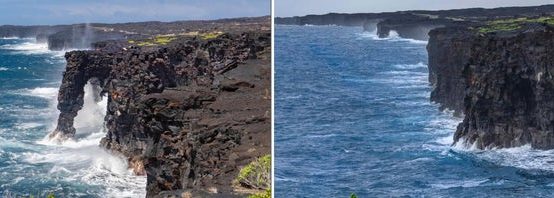 Collapse of Hawai’i’s Hōlei Sea Arch Amidst Storms
  Los Angeles Faces Uncommon Heatwave in October
  Drought Drives Black Bears Closer to Human Activity
  Atlantic Ends September Without a Hurricane for First Time Since 1994
  Bobcat Sightings and Conservation Efforts in Illinois