The Wallis Annenberg Wildlife Crossing over the 101 Freeway in Agoura Hills is nearing its completion date of December 2. The only potential disruption could be a severe winter storm.
Currently, a concrete bridge spans ten lanes of traffic. Above it, there is a flourishing landscape with 6,000 native plants. Recently, another overpass was completed over Agoura Road. The next task is to fill the gap between the freeway and the road — and towards the northern land — with millions of cubic feet of soil. This will create an uninterrupted pathway for wildlife.
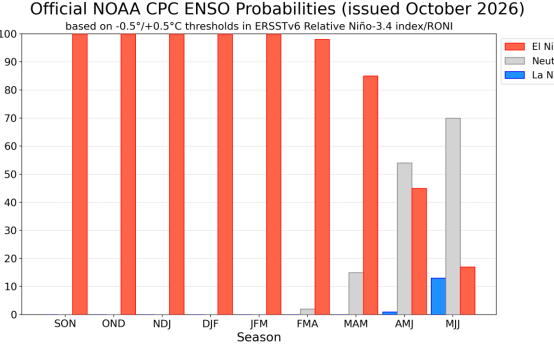
“We’re just hoping El Niño’s on our side,” said Beth Pratt, president of the Wildlife Crossing Fund. “Mother Nature, we’re trying to help you. Let’s not throw any more complications our way,” she added, addressing potential weather impacts.
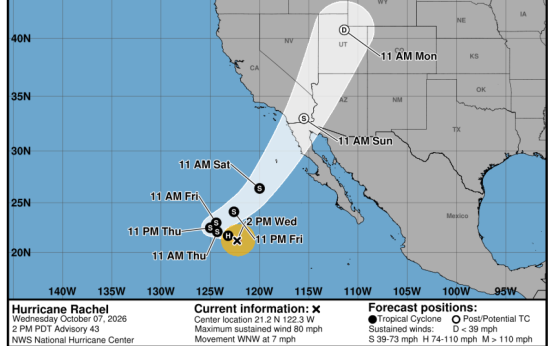
Southern California faces the possibility of substantial rain. While some precipitation is manageable, heavy flooding could halt construction for safety reasons. Robert Rock, lead landscape architect, explained that clay-rich soil in the area becomes dangerously slick when wet.
Heavy rain also affects soil compaction, a crucial step in construction. Crews layer soil and use a roller to firm it. Rock noted that trying to compact wet soil is ineffective, as rain can lead to delays, such as those experienced during the winter of 2022-23.
Despite setbacks, the construction aims for completion. The project’s cost is $114 million, and it has faced criticism from right-wing commentators, labeling it as a costly “jobs program for environmentalists.” Yet, the completion date was officially announced amid protests.
Pratt has faced personal attacks but remains committed to celebrating this achievement. The crossing is vital for mountain lions in the Santa Monica Mountains, currently isolated by heavy traffic, leading to inbreeding. Since a study began in 2002, 41% of documented mountain lion matings were between close relatives, highlighting the urgency of the crossing.
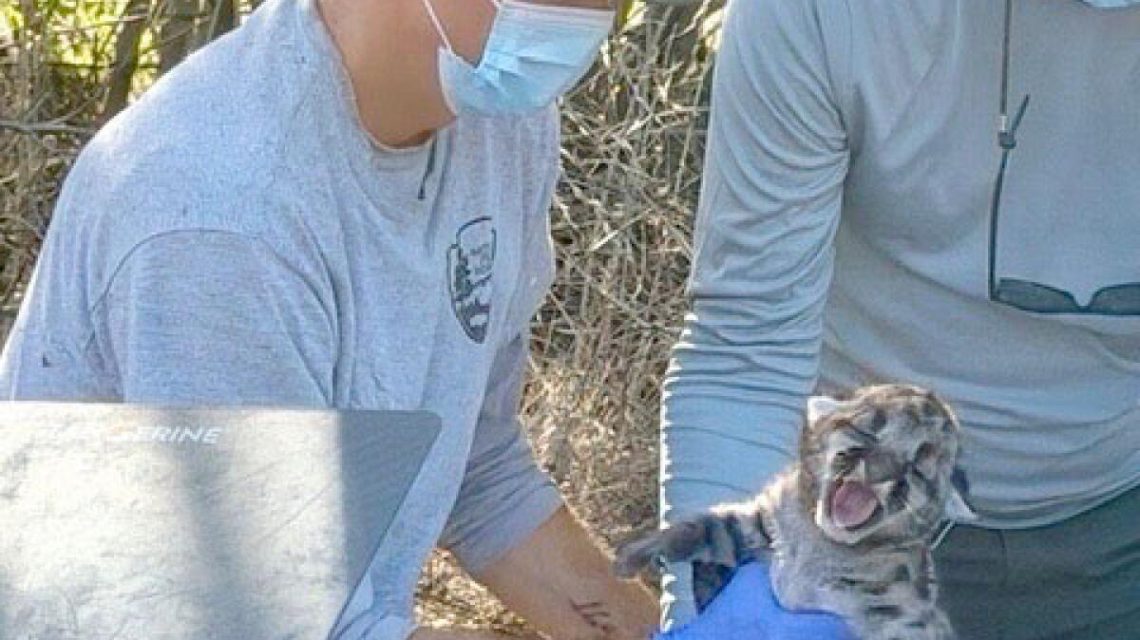
Recently, the National Park Service documented signs of inbreeding, like a kinked tail in a young male. The crossing aims to allow these big cats to find new mates, increasing genetic diversity and reducing the extinction risk, which modeling shows is nearly certain within 50 years if action is not taken.
The crossing will provide access to new areas, allowing fresh genetic material to enter. In the past three weeks, a trail camera on the south side of the crossing has captured footage of coyotes, deer, and a female lion with her cubs.
In the Simi Hills, biologists recently marked the first litter for a young lion known as P-113. These kittens, once mature, may be among the first to use the new wildlife crossing, promoting genetic health in the mountain lion population.
 Hebron Completes Water Main Project
  Activist Actions in Arizona Against Border Wall Construction
  Record El Niño Predicted to Impact California Weather
  Forecasters Predict Intensifying El Niño with Historic Impact Potential
  Balancing Development and Conservation: The Endangered Species Act Debate
  Hurricane Rachel and El Niño Pose Flood Risks in Southern California