Reasons Behind Funding Cut
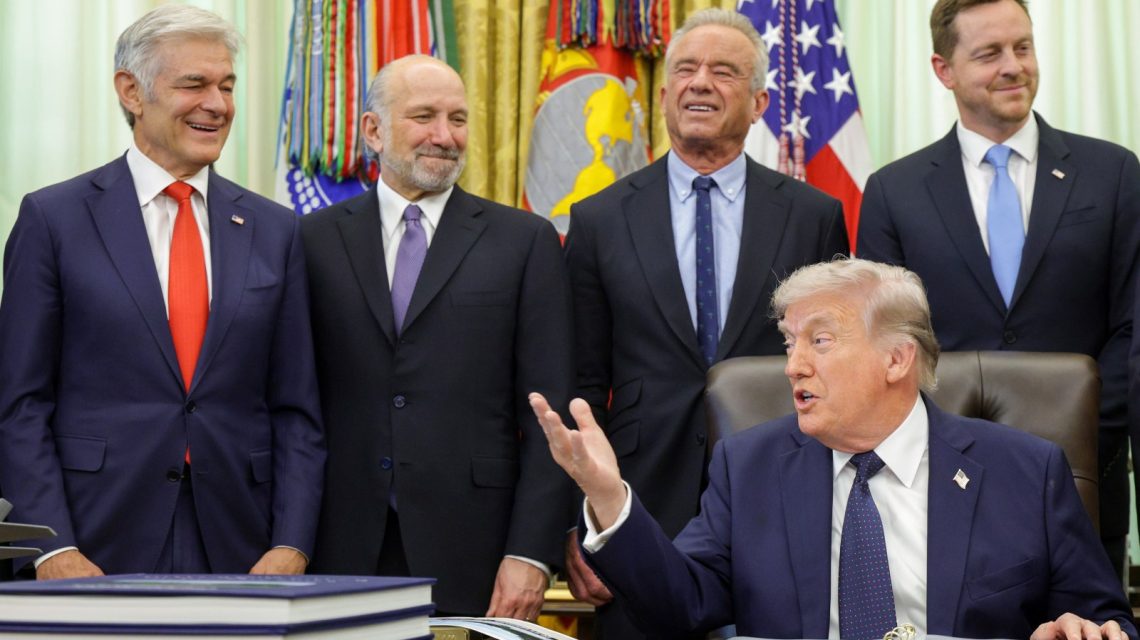
The Trump administration has withheld $3 million in federal funding from Hawaii’s Medicaid fraud control program. This decision follows threats to penalize states that fail to combat fraud effectively. The federal government mandates each state to have a Medicaid fraud control unit, supervised by the state’s attorney general, to ensure funds are being used appropriately.
Inspector General Thomas March Bell of the U.S. Department of Health and Human Services informed Hawaii’s Attorney General Anne Lopez about the funding cut. He cited the failure of Hawaii’s Medicaid Fraud Control Unit (MFCU) to secure any indictments or convictions over the past four years as the primary reason. During the same period, enrollments in Medicaid in Hawaii increased by 40%, with funding rising by 27%. The MFCU received approximately $3 million annually in federal taxes.
Ineffective Fraud Prevention Efforts
Hawaii’s MFCU has not been granted federal certification, leading to the funding being revoked. Bell criticized the unit for not fulfilling its mandated fraud-fighting duties effectively. Federal Trade Commission Chair Andrew Ferguson noted that Hawaii’s unit has consistently underperformed despite receiving millions of dollars over the years.
In response, Attorney General Anne Lopez defended her state’s anti-fraud efforts. She emphasized that her office recognizes the seriousness of the issue. Lopez pointed out that since 2021, Hawaii has recovered $14 million in civil cases and charged individuals with criminal healthcare fraud.
Ongoing Anti-Fraud Initiative
The Trump administration’s decision is part of a wider crackdown on healthcare fraud initiated by President Donald Trump. Vice President J.D. Vance is leading the campaign, emphasizing aggressive action against ineffective fraud control measures.
New York might be another target, as Vance has highlighted the state’s lackluster efforts in prosecuting Medicaid fraud. He pointed out that Indiana, a state with a smaller population, issued more indictments than New York.
New York Fraud Issues
In New York, about 6.5 million people are enrolled in Medicaid, with a significant portion residing in New York City. Earlier this year, seven individuals in Brooklyn admitted to defrauding Medicaid for services never provided, amounting to over $68 million in fraudulent claims.
U.S. Attorney Joseph Nocella Jr. vowed continued prosecution against fraud schemes to protect federal healthcare funds.
Controversial Probe Attempts
Dr. Mehmet Oz’s statements about New York’s Medicaid personal care services numbers created controversy. He overstated the number of beneficiaries, prompting corrections from officials. Governor Kathy Hochul’s office clarified the actual figures and reiterated New York’s commitment to preventing fraud and protecting state programs.
 State Department Simplifies Passport Process with Online Applications
  Understanding Inflammation: Myths and Facts
 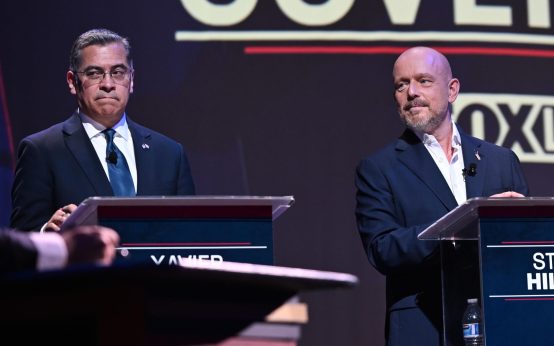 Becerra and Hilton Clash in California Gubernatorial Debate
  California Voters to Decide on $7.5 Billion State Research Fund
 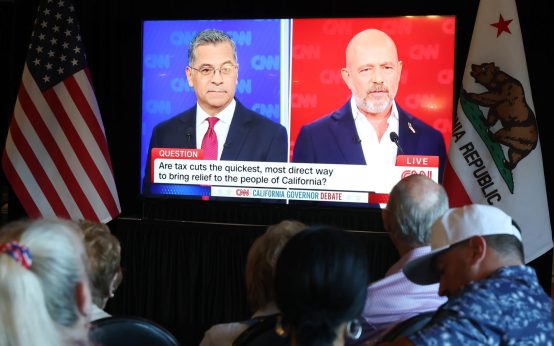 Highlights from the California Gubernatorial Debate: Becerra vs. Hilton
  Becerra vs. Hilton: The Debate and Key Issues in the California Governor Race