
BRIDGEWATER, N.J. — Recent military exchanges have further strained the ceasefire between the United States and Iran. On Friday, U.S. forces responded to Iranian missile and drone attacks by targeting coastal surveillance radar sites. The U.S. military confirmed intercepting six of the seven ballistic missiles aimed at Kuwait and Bahrain, with the seventh failing to hit its target. No U.S. personnel were harmed.
Earlier, the U.S. shot down four Iranian drones threatening maritime traffic in the Strait of Hormuz. Both Kuwait and Bahrain experienced heightened alert, with Kuwait’s military intercepting attacks and Bahrain using air raid sirens to guide residents to safety.
Iran’s Revolutionary Guard claimed responsibility for firing at Ali Al Salem airbase in Kuwait and the U.S. Navy’s 5th Fleet in Bahrain. The military tensions coincide with a U.S.-led blockade of Iranian ports, impacting global oil and gas prices and presenting political challenges for President Trump before upcoming elections.
“The situation with Iran seems to be going quite well,” President Trump commented during an event in Wisconsin, promising a swift resolution to the conflict. He suggested that the U.S. would extricate itself from the situation either through diplomacy or tougher measures, which he claimed would result in reduced fertilizer prices.
Despite prevailing tensions, a tentative agreement between U.S. and Iranian negotiators to extend the ceasefire for 60 days has stalled. President Trump noted Iran’s difficulty in accepting the agreement due to its strong sense of independence.
Meanwhile, Israeli strikes continue against Hezbollah militants in southern Lebanon, countering a ceasefire brokered between Lebanon and Israel earlier this week. These actions have resulted in casualties and evacuations, jeopardizing the ceasefire’s longevity. The Israeli military reports ongoing clashes with militants, resulting in wounded soldiers.
“It’s a very hard thing for them,” Trump explained to NBC, referring to Iran’s hesitations. He emphasized their strength and pride as obstacles in reaching an agreement.
In addition to military actions, the U.S. has implemented new sanctions targeting Iran’s energy sector, aiming to curb its financial gains from oil and related commodities. U.S. forces also boarded a sanctioned oil tanker in the Indian Ocean linked to Iran, intensifying efforts to block its economic benefits.
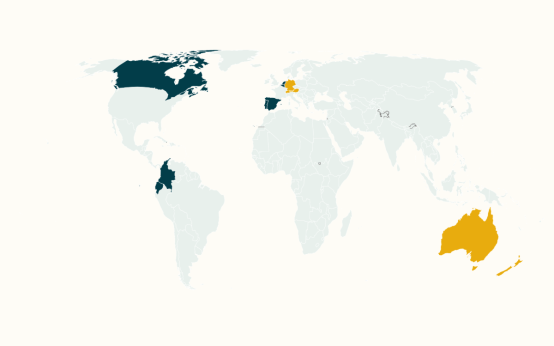 Dutch Review Board’s Euthanasia Ruling and International Debate
 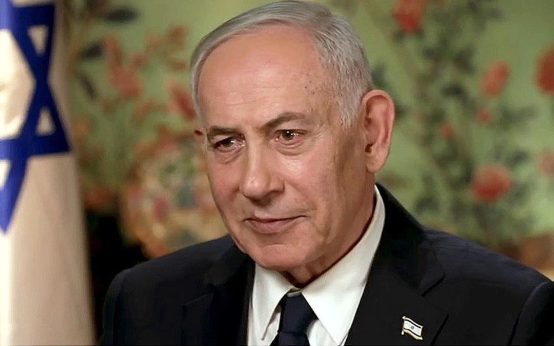 Israeli PM Commends Heroic Actions in Flight Emergency
  Rabbi and Jewish Leaders Criticize Adam Brody for ‘Genocide’ Comment
  Flydubai’s Emergency Landing Highlights Cockpit Security
 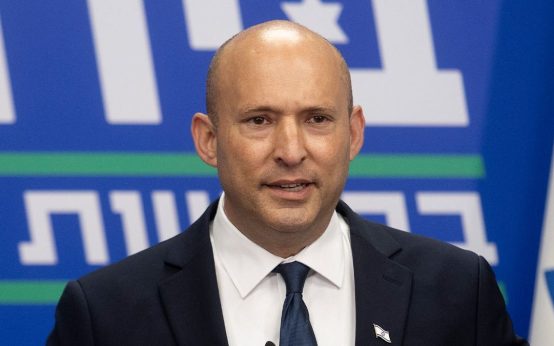 Former Israeli PM Naftali Bennett Commends Passengers and Crew for In-Flight Heroism
 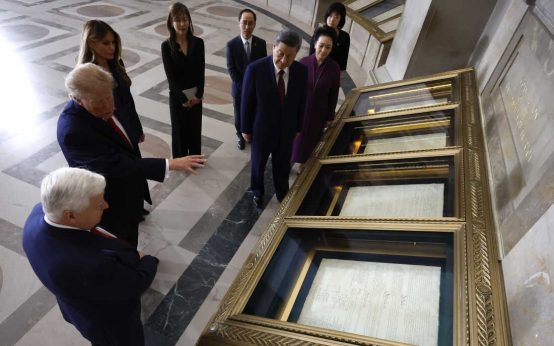 Diplomatic Complexities Unfold at U.S. National Archives Visit