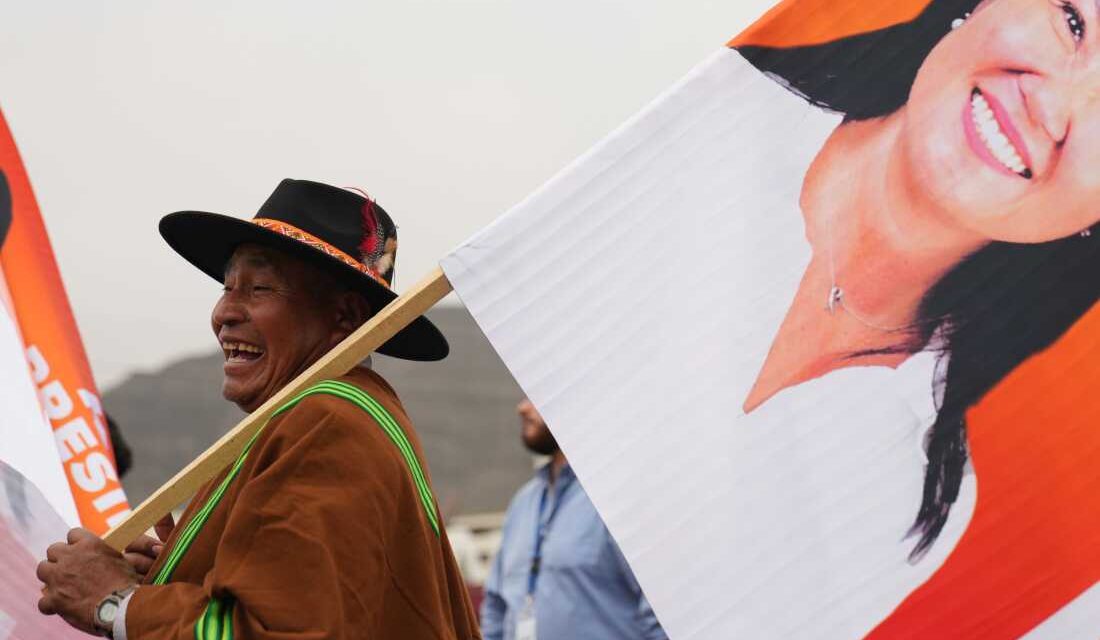
In Lima, Peru, a supporter holds a banner for presidential candidate Keiko Fujimori during her final campaign rally. On Sunday, Peruvians will choose their new president. Polls indicate a close and polarized race between the right-leaning Keiko Fujimori and leftist Roberto Sánchez.
Fujimori, who has been slightly ahead in the polls, faces about a quarter of voters still undecided. Reuters suggests that Sánchez may have recently caught up. Keiko Fujimori leverages the legacy of her father, the late President Alberto Fujimori. His tenure was marked by tackling hyperinflation and countering the Shining Path insurgency. However, his leadership is also marred by human rights violations, including operating death squads, closing congress, and corruption, leading to his 25-year prison sentence.
Political scientist Paula Távara predicts that if Keiko wins, she may attempt a moderate facade, but could govern with authoritarian tendencies. Protests might meet with a repressive response. Keiko Fujimori waves at a campaign event in Huacho, Peru, as she seeks the presidency for the fourth consecutive time after previous near-misses in 2011, 2016, and 2021.
Critics accuse her of stubbornly contesting her 2016 loss and promoting unfounded fraud claims in 2021. Her leadership in the Popular Force party, the largest in recent congressional terms, is blamed for resisting corruption and organized crime investigations. Her actions have contributed to Peru’s political instability, with nine presidents in the last decade.
Fujimori now proposes to combat the country’s crime wave with an iron-fist approach, echoing her father’s policies. However, many attribute the current chaos to her political tactics.
Roberto Sánchez, her opponent, is also unpopular. He campaigned with a sombrero from Pedro Castillo, the ousted leftist former president who defeated Fujimori in 2021. Castillo’s term ended amid accusations of extremism, incompetence, and corruption. He attempted to shut down congress and was jailed in December 2022.
Sánchez initially advocated for nationalizing industries and reshaping Peru’s economy in ways similar to Cuba and North Korea. Recently, he has tried to appeal to centrist voters, yet his association with Antauro Humala—a radical ex-army officer with a history of violence—weakens his moderate claims.
Polling stations close at 5 p.m. local time. While officials might announce a winner that night, a tight race might mean days before final results are confirmed.
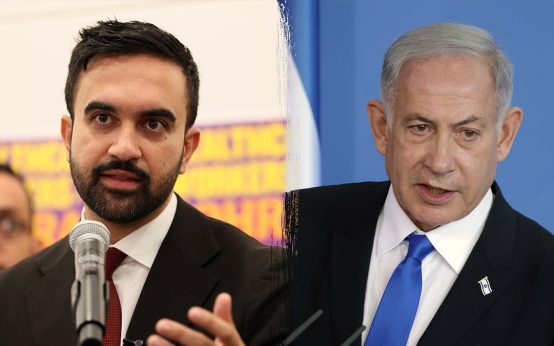 Mayor Mamdani Responds to Netanyahu’s United Nations Speech
 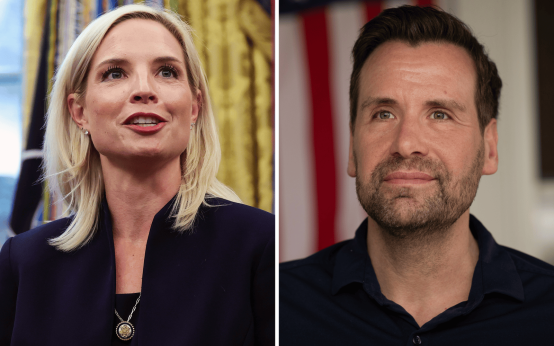 Iowa Senate Race: Attendance Records in Focus as Hinson and Turek Square Off
 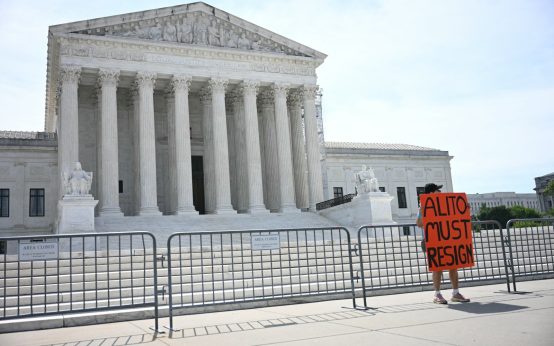 Justice Alito Discusses Supreme Court Decisions and Criticism
  Investigation Reopened in Allegations Against Education Board Candidate Hilario Dominguez
  Court Dismisses Case Against Noncitizen in Voting Charge
  Spending Trends in the Most Expensive Election Cycle