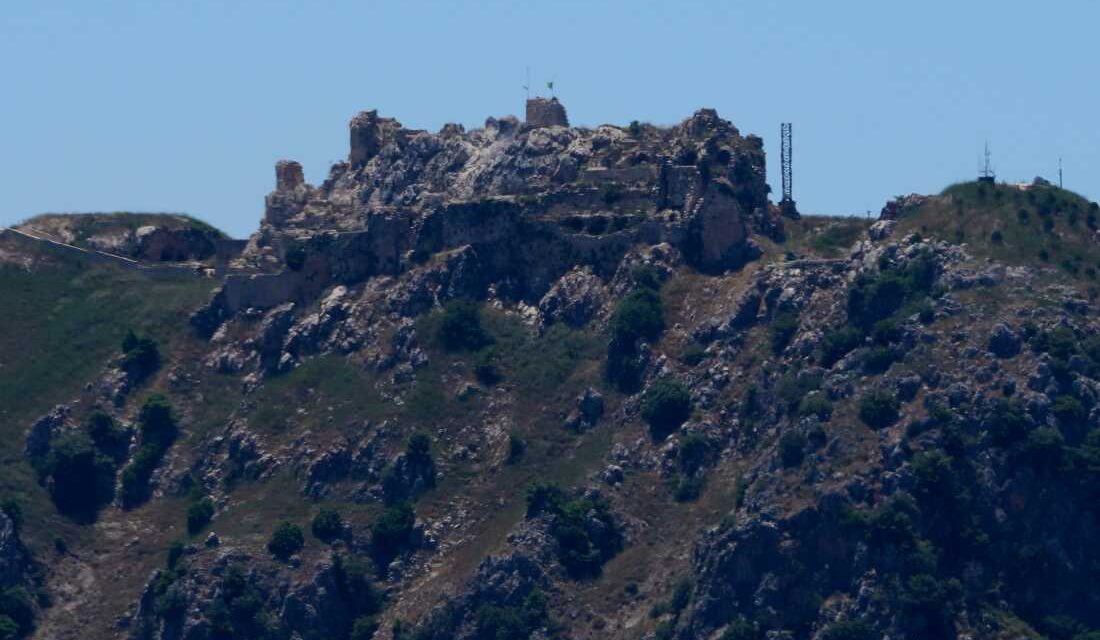
BEIRUT — Israeli airstrikes targeted southern Lebanon on Saturday, resulting in the deaths of nine individuals, including three Lebanese military personnel. This event follows the announcement of a new ceasefire agreement between the two sides, as reported by the Lebanese army and state media.
An airstrike on a vehicle traveling between Nabatiyeh and Marjayoun claimed the lives of a brigadier general, a captain, and another soldier. The Lebanese army disclosed these details but withheld the names of the deceased.
A subsequent airstrike in the village of Saksakiyah caused six fatalities and injured four more, according to the state-run National News Agency.
“The continued, deliberate, and repeated Israeli aggression against Lebanon, its people and its army only strengthens our resolve, faith and determination,” stated the Lebanese army. They accused Israel of trying to disrupt peace efforts aimed at achieving stability, a comprehensive ceasefire, and Israeli withdrawal from occupied Lebanese territories.
The Israeli military acknowledged hitting the vehicle, noting the situation is under review. They claimed the vehicle behaved “suspiciously” near the village of Kfar Tibnit and suggested Hezbollah planned to launch an attack on Israeli forces.
Lebanon’s President Joseph Aoun condemned the strike as a “flagrant violation of Lebanese sovereignty and international law.” Aoun argued that the airstrike contributes to ongoing tensions that threaten southern Lebanon’s stability and security. Despite this, Lebanon continues its diplomatic efforts in Washington to end Israeli attacks.
The ceasefire, brokered by U.S.-led negotiations, aimed to resolve the conflict. Lebanon’s government, blaming Hezbollah for instigating war, has sought to disarm the group, which rejected the truce.
On the previous day, both Aoun and Prime Minister criticized Iran, accusing it of using Lebanon as leverage in discussions with Washington. In response, Iranian Foreign Minister Abbas Araghchi refuted these claims on X, arguing Israel, not Iran, compromises Lebanon’s sovereignty.
The ongoing war began on March 2 when Hezbollah launched rockets into northern Israel. This followed joint military actions by Israel and the U.S. against Iran. Israel’s response included a ground invasion and widespread assault on Lebanon, displacing over a million people. Israeli forces now control around 20% of Lebanon, advancing further than they have since the 1982-2000 occupation.
The conflict has claimed more than 3,500 lives in Lebanon, including 29 Israeli soldiers and three civilians.
 British Police Arrest Man Suspected of Terror Plot
  Activists Push for Nationwide Ban on Child Marriage in the U.S.
  Investigation into Alleged Incident at Cornell University
  Rising Drone Threats Highlight Vulnerabilities in Moldova’s Airspace Defense
  Bolivia Faces Security Test Amid Unrest
  Incident on FlyDubai Flight Raises Security Concerns