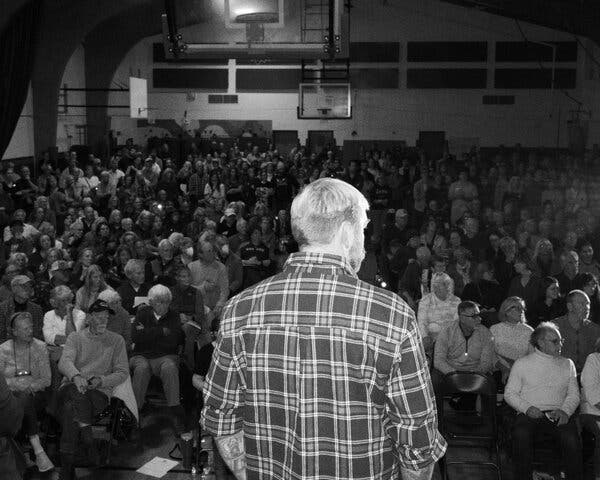
Political scandals often have unpredictable effects on elections. As the Maine Democratic primary unfolds, Graham Platner finds himself at the center of controversies. His candidacy against incumbent Republican Senator Susan Collins hangs in the balance. Two perspectives emerge regarding the impact of such scandals.
Potential Outcomes of Scandal
One perspective suggests that scandals might not prevent people from seeking office. Electorates demand results from candidates rather than perfection. This could encourage deserving individuals, despite imperfections, to enter public service.
Alternatively, consistent judgment against immoral conduct could reestablish political barriers. It might deter individuals with questionable ethics from degrading political standards.
Inconsistency in Political Standards
Political bias often leads to inconsistent standards, influencing the judgment of candidates. Applying uniform standards free from political bias remains elusive.
Controversies Surrounding Platner
Platner’s controversies include alleged inappropriate behavior and offensive remarks. Reports reveal exposure incidents involving multiple women and a contentious Nazi SS tattoo. Allegations from Lyndsey Fifield include coercive behavior and derogatory language.
Such revelations raise critical concerns about the implications on Platner’s bid for political office amidst the ongoing primary.
 Steve Hilton’s Latino Outreach and Gubernatorial Ambitions
 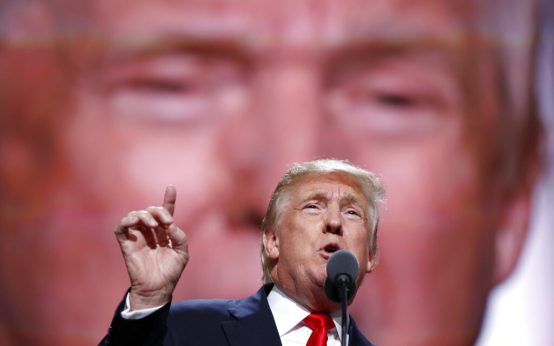 The Need for Reform in Presidential Nominations
  Controversy Surrounds Performances at Gillette Stadium
 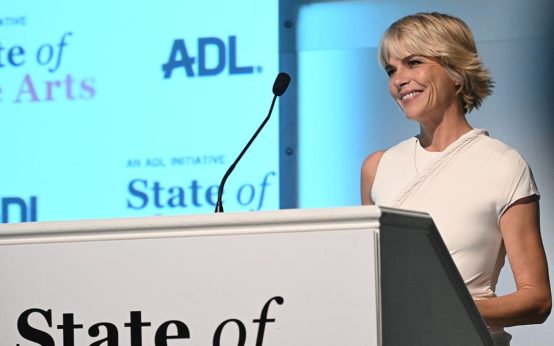 Celebrity Controversies Over Political Activism and Speech
  Trump Pushes for Permanent Daylight Saving Time, Sharing Senator’s Contact Information
  Tucker Carlson’s Comments on Britain’s WWII Decision Ignite Controversy