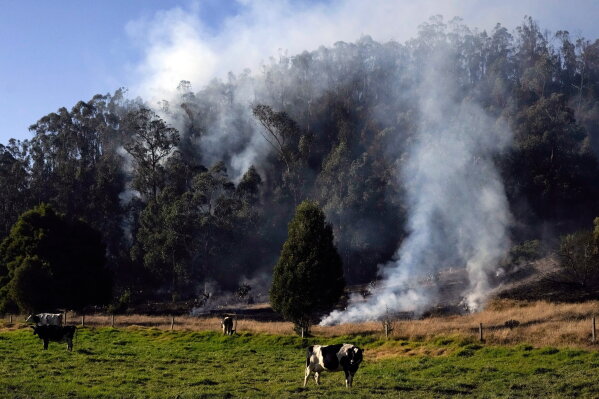
Farmers worldwide are grappling with the repercussions of the ongoing Iran conflict. Gas prices have surged, and crucial fertilizer supplies are dwindling due to Tehran’s near shutdown of the Strait of Hormuz in retaliation for U.S. and Israeli actions. This fertilizer shortage endangers the livelihoods of farmers in developing nations, already strained by climate change and erratic weather patterns, and may lead to increased food costs globally.
Impact on Farmers
The Northern Hemisphere’s poorest farmers, who depend on fertilizer imports from the Gulf, face challenges as planting season approaches. Carl Skau, deputy executive director of the World Food Program, warns of potential lower yields and crop failures. At best, increased input costs will drive up food prices next year.
Baldev Singh, a rice farmer from Punjab, India, expresses concern over the survival of smallholder farmers if government subsidies for fertilizers are unavailable during peak demand.
Strait of Hormuz Blockade
Iran’s restriction of movement through the Strait of Hormuz impacts key nutrient shipments. Ali Bahreini, Iran’s ambassador to the UN in Geneva, confirmed a U.N request acceptance allowing humanitarian aid and agricultural goods through. This represents a breakthrough at the chokepoint after a month-long conflict.
While blocked oil and natural gas supplies are significant, fertilizer restrictions threaten global farming and food security. Nitrogen and phosphate fertilizers, vital for plant growth and root development, face immediate threats.
Chris Lawson from CRU Group highlights shipping delays and rising liquefied natural gas prices as obstacles, affecting approximately 30% of global urea trade. Raj Patel, a food systems economist, notes countries like Ethiopia are critically impacted. Over 90% of Ethiopia’s nitrogen fertilizer originates from the Gulf via Djibouti.
Security and Insurance Challenges
Even post-conflict, Gulf producers require security assurances for resumed shipments and face potential insurance cost hikes. Owen Gooch, from Argus Consulting Services, emphasizes these challenges.
India prioritizes domestic urea supplies and provides substantial natural gas support to fertilizer manufacturers, though production remains suboptimal.
A Fragile Food System
Hanna Opsahl-Ben Ammar from Yara International underscores the importance of stable fertilizer supply chains. The U.S. and Europe, amid their planting season, already experience delays impacting yields.
Joseph Glauber from the International Food Policy Research Institute mentions fertilizer prices are below post-Russian invasion peaks, yet grain prices were higher then. As grain prices decline, farmers may opt for less fertilizer-intensive crops or reduce fertilizer use, impacting yields.
Capacity Issues in Major Producers
China, a significant nitrogen and phosphate producer, prioritizes internal supply, delaying urea exports until May. Russia, another major producer, maximizes plant capacity yet still faces challenges.
Vulnerable Developing Nations
African farmers, reliant on fertilizers from the Middle East and Russia, face disruptions. In East Africa, preparation time for fields with heavy rains is limited due to shortages, according to Stephen Muchiri from the Eastern African Farmers Federation.
Even minor delivery delays can significantly affect yields, as seen by research from Zambia.
Governments can mitigate impacts via subsidies, domestic production advocacy, and export controls. India’s fertilizer subsidies ease farmers’ burdens but limit investment in longer-term improvements. Increased domestic urea production amplifies dependency on imported gas, harming local soil.
Less reliance on imports may safeguard farmers and consumers from energy price fluctuations and climatic shocks, suggests Oliver Oliveros from the Agroecology Coalition.
Original reporting by Olingo from Nairobi, Kenya, with contributions from AP writers Jamey Keaten in Geneva and Kerstin Sopke in Berlin.
The Associated Press climate and environmental coverage receives backing from various private foundations, maintaining responsibility for all content.
 Mayor Mamdani Responds to Netanyahu’s United Nations Speech
  British Prosecutors Charge Man with Terrorism Over Politician’s Murder
  Backlash Against Trump’s White House Photos
  State Department Accuses Senate Democrats of ‘Grandstanding’ Over Venezuela Oil Deal
  Drought Drives Black Bears Closer to Human Activity
  EU Plans Deportation of Rejected Asylum Seekers