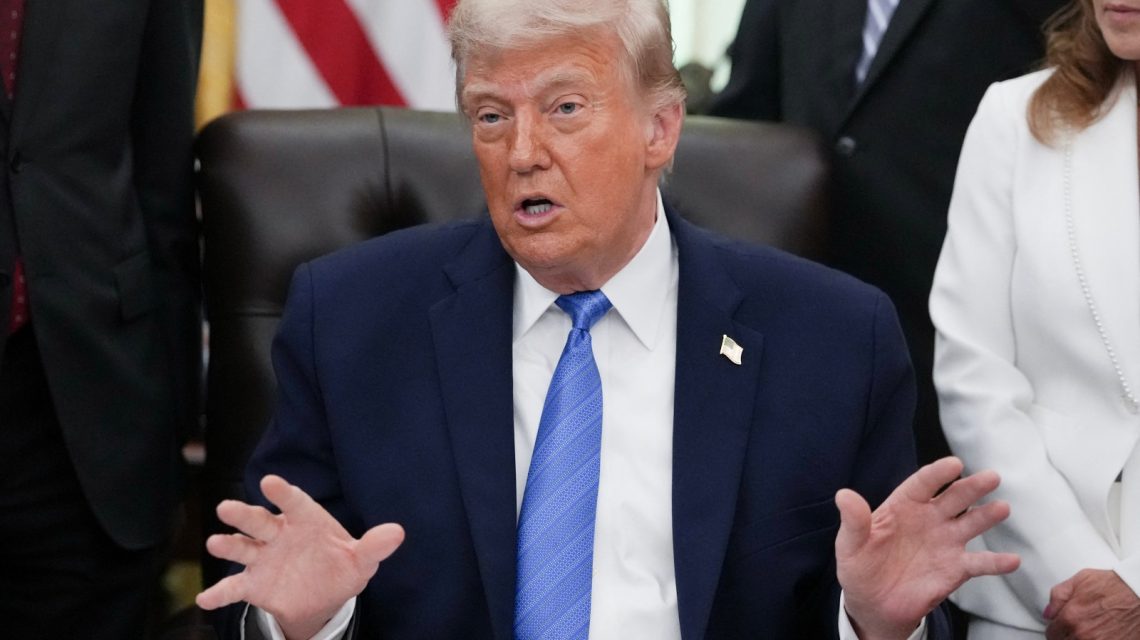
President Donald Trump recently shared a scene from the NBC drama ‘The West Wing’ on Truth Social following recent U.S. strikes on Iran. The clip features fictional President Josiah Bartlet, played by Martin Sheen, rejecting proportional military responses. In the scene, President Bartlet asserts, ‘You kill an American, any American, we don’t come back with a proportional response. We come back with total disaster.’
The clip shared by Trump includes Bartlet’s strong stance but omits the full context of the episode. Bartlet, at first, advocates for a disproportionate response but later changes his stance. After considering the potential civilian casualties of a major strike, he agrees to a proportional response recommended by his advisers.
The episode portrays Bartlet consulting with Admiral Percy Fitzwallace, played by John Amos. Fitzwallace argues that proportional responses are essential, stating, ‘It’s all there is, sir.’ Despite an initial push for a strong military action, Bartlet recognizes the impact of such actions and opts for a limited strike to minimize casualties.
Current Situation With Iran and Ceasefire Negotiations
The context of Trump’s post is significant, as it coincides with a period of fragile ceasefire discussions. These talks aim to end the 100-day conflict, reopen the strategic Strait of Hormuz, and address Iran’s nuclear ambitions. However, recent U.S. airstrikes on Iran led to retaliatory strikes by Tehran against neighboring countries, raising apprehensions about the collapse of ongoing negotiations.
Trump reiterated that Iran would ‘pay the price’ if progress stalled. The U.S. Central Command described the airstrikes as ‘self-defense’ against Iranian aggression. The situation has heightened tensions, with Bahrain, Kuwait, and Jordan targeted by Iranian attacks. These exchanges occurred twice within a week, affecting the ongoing ceasefire.
Despite intense bombardment, Iran maintains resilience. Tehran leverages its control over the Strait of Hormuz, a crucial pathway for oil and natural gas, as a strategic advantage in negotiations. Both parties seek resolutions that allow them to claim victories domestically. However, Israeli Prime Minister Benjamin Netanyahu’s broader aims complicate negotiations. These ambitions include dismantling Iran’s theocratic regime, ending its nuclear program, and addressing the threat from Hezbollah in Lebanon.
 Dutch Review Board’s Euthanasia Ruling and International Debate
 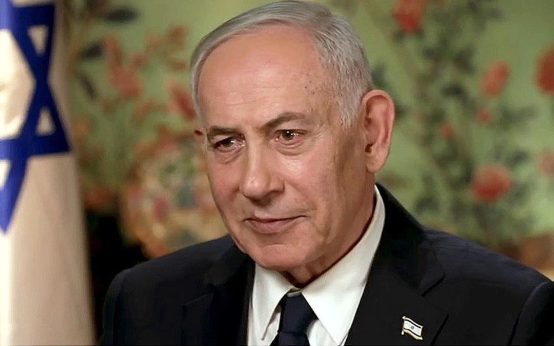 Israeli PM Commends Heroic Actions in Flight Emergency
 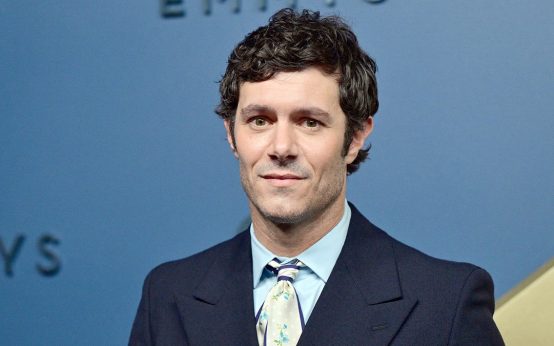 Rabbi and Jewish Leaders Criticize Adam Brody for ‘Genocide’ Comment
  Flydubai’s Emergency Landing Highlights Cockpit Security
 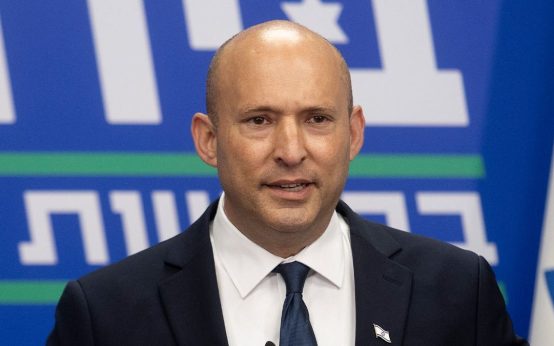 Former Israeli PM Naftali Bennett Commends Passengers and Crew for In-Flight Heroism
 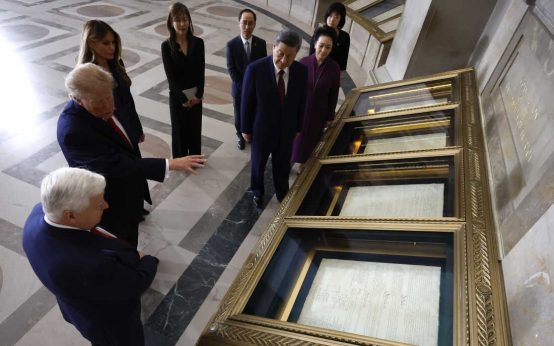 Diplomatic Complexities Unfold at U.S. National Archives Visit