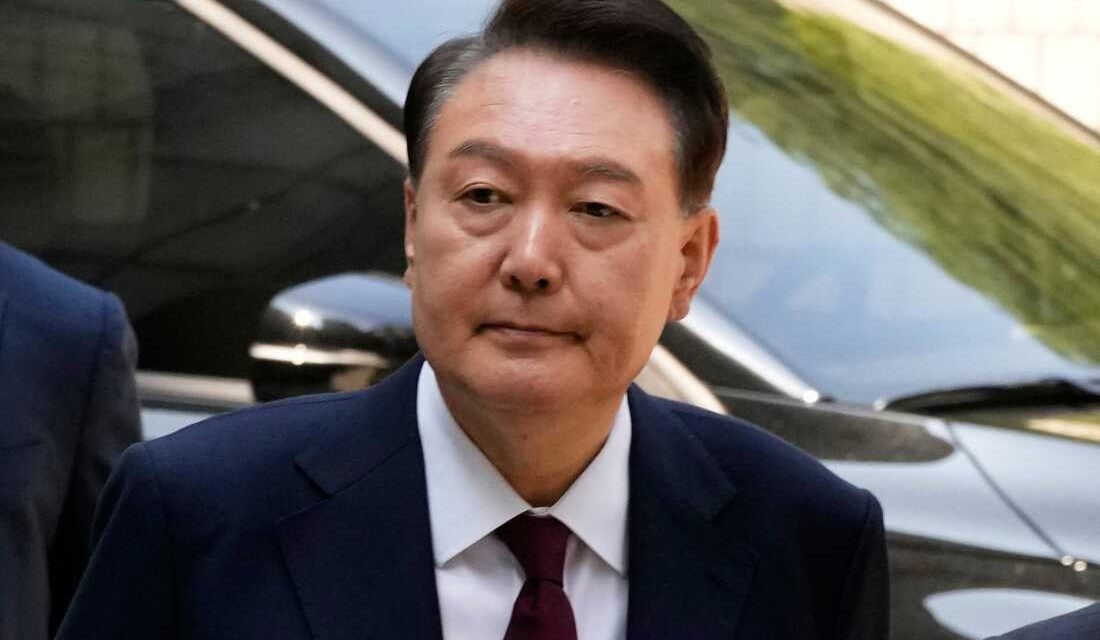
South Korea’s ousted former President Yoon Suk Yeol and his former defense minister, Kim Yong Hyun, received a 30-year prison sentence from the Seoul Central District Court. The court found them guilty of ordering drone flights over Pyongyang in 2024. These actions were alleged to have been a ploy to justify Yoon’s declaration of martial law in South Korea.
The court ruled that Yoon and Kim participated in activities that endangered national security by attempting to provoke North Korea into escalating military tensions. This strategy was deemed to have compromised South Korea’s defense capabilities and response options.
Yoon had previously been sentenced to life imprisonment for his martial law declaration in December 2024. During that period, North Korea accused Seoul of deploying drones to distribute propaganda in Pyongyang, though Kim initially provided an unclear denial. No military clashes occurred despite increased tensions.
Yoon’s legal team criticized the ruling, asserting that the drone flights were responses to North Korean provocations earlier in the year. The legal team pointed to North Korea using balloons to deliver waste materials across the border. They expressed concerns that the verdict might weaken South Korea’s security posture but did not specify whether they would appeal the decision.
Special prosecutor Cho Eun-suk’s investigation recommended a 30-year sentence for Yoon due to his attempt to incite conflict between the Koreas. The prosecution accused Yoon of planning to consolidate power by removing political challengers. They also suggested a 25-year sentence for Kim, who was instrumental in Yoon’s martial law strategy.
On December 3, 2024, Yoon declared martial law in a late-night broadcast, accusing opposition lawmakers of colluding with North Korea and undermining the state. His grievances included impeachment efforts against officials and budget cuts.
The martial law imposition lasted around six hours, until lawmakers managed to bypass military and police barriers at the National Assembly. They promptly voted against the law, forcing Yoon’s administration to retract it. Subsequently, Yoon faced suspension and impeachment by the Constitutional Court. He was arrested in July 2025, and his ongoing trials include an appeal from both him and prosecutors concerning the rebellion verdict, initially seeking a death sentence.
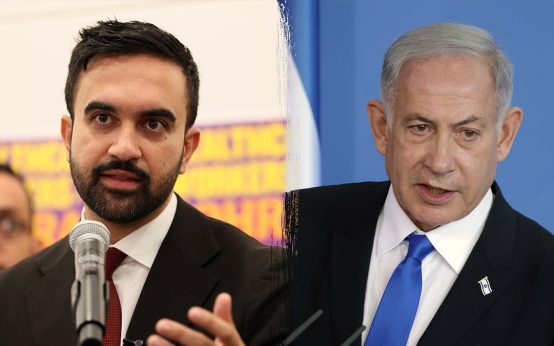 Mayor Mamdani Responds to Netanyahu’s United Nations Speech
 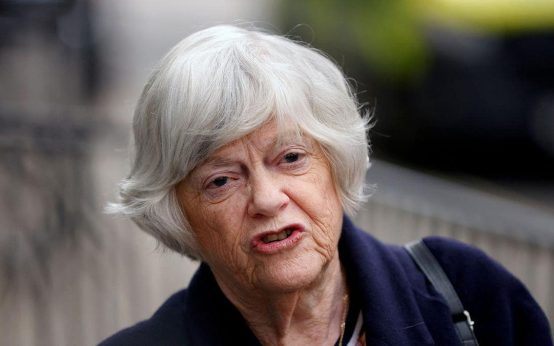 British Prosecutors Charge Man with Terrorism Over Politician’s Murder
 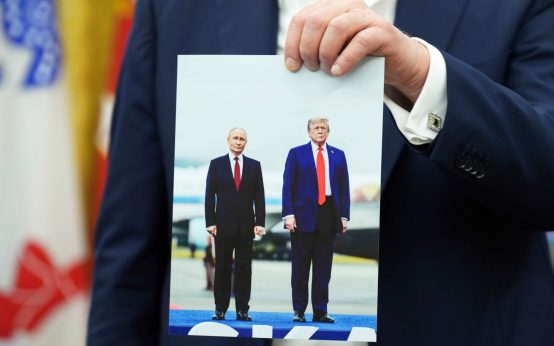 Backlash Against Trump’s White House Photos
  State Department Accuses Senate Democrats of ‘Grandstanding’ Over Venezuela Oil Deal
  EU Plans Deportation of Rejected Asylum Seekers
  British Police Arrest Man Suspected of Terror Plot