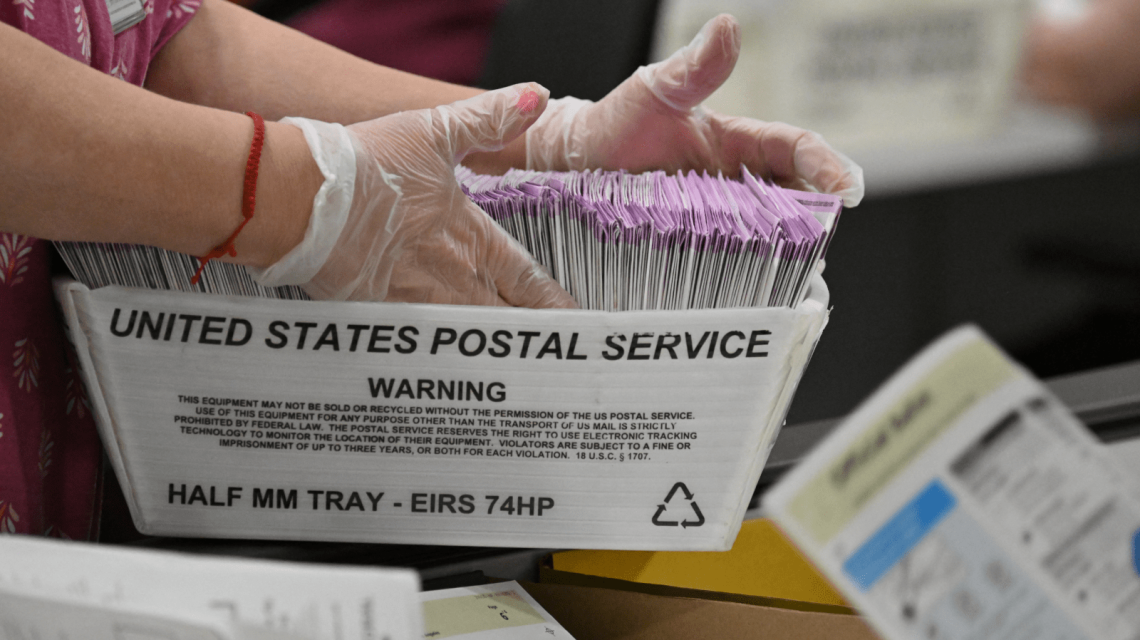
A small group of states conducting elections largely by mail has become the epicenter of a major dispute that could determine how ballots are distributed for upcoming elections. Central to this debate are proposed rules from the U.S. Postal Service (USPS), arising from President Donald Trump’s executive order on March 31, 2026, concerning election administration. These rules require states to provide detailed voter lists and could prevent ballot deliveries to states that do not comply.
A Shift in Election Mechanics
Election officials express concern that these changes could disrupt voting in states where mail is the primary voting method. In the 2024 election, more than 48 million Americans, or about one-third of voters, cast ballots by mail. With the 2026 midterms approaching, this shift poses significant challenges. A total of 23 Democratic-led states, along with Washington, D.C., are already suing over this proposal. A federal appeals court could issue a decision this summer as states prepare for the midterms.
The Executive Order and Its Implications
In March, Trump signed an executive order titled Ensuring Citizenship Verification and Integrity in Federal Elections, aiming to enhance federal oversight of elections. Key provisions include requiring the Department of Homeland Security to compile lists of eligible voters and mandating USPS to develop rules ensuring ballots are mailed to approved voters only. These conditions challenge the constitutional principle that states and Congress set election rules, leading to a broad legal conflict.
An Unprecedented USPS Role
The USPS proposal seeks a departure from its traditional neutrality. Historically, USPS has been a reliable carrier of election mail, based on postage and routing, not voter eligibility. Proposed changes would require states to submit voter details and allow USPS to reject ballots that do not meet standards. Critics argue this change risks casting USPS as an arbiter in elections, disrupting their established logistics role.
State-by-State Impact
States relying heavily on mail-in voting, like California, Oregon, Washington, and Colorado, face the greatest impact, as any postal disruption could significantly hinder voter participation. In these areas, the mail network operates as essential infrastructure, akin to polling stations. Altering this system threatens to deny eligible voters the opportunity to participate in elections.
Watching Battleground States
Other states with significant mail voter populations, such as Arizona, Nevada, and Michigan, could also experience disruptions. These areas might be affected by any changes in ballot delivery procedures—especially since they often have close electoral margins. Election officials indicate that while larger jurisdictions might adapt, smaller or rural offices could struggle with these requirements.
The Core Issue: Data and Compliance
A central concern is data management. Trump’s order aims to collect citizenship databases and tie ballot distribution to state-provided voter lists. Legal actions challenge this, arguing executive power does not extend to setting national election rules. While a judge has yet to block the order, appeals continue, focusing on constitutional debates over election control.
Can USPS Implement the Changes?
The practicality of USPS executing these changes is in question. A proposed digital portal for managing voter lists and ballot tracking is crucial, yet it remains undeveloped, raising concerns about feasibility. USPS has historically managed election mail efficiently, but the new demands are far more complex, requiring significant logistical and funding support.
Awaiting Judicial Decisions
The next steps include the D.C. Circuit Court of Appeals reviewing the case, potentially affecting rule implementation before midterm ballots are mailed. Key issues to watch include the USPS’s launch of a voter-list portal, DHS’s release of citizenship lists, and state compliance with data demands. The outcome could redefine the role of mail voting, pivotal to tens of millions of voters across the nation.
 The Trump Team’s Challenge to the Military Leadership
  Maryland First State to Restrict Electronic Pricing in Grocery Stores
  Activists Push for Nationwide Ban on Child Marriage in the U.S.
  Democratic Hopes and Historical Warnings in 2026 Senate Race
  Republicans Face Challenges Amidst Cost of Living Concerns
  A Different Kind of Fall for Congress This Year