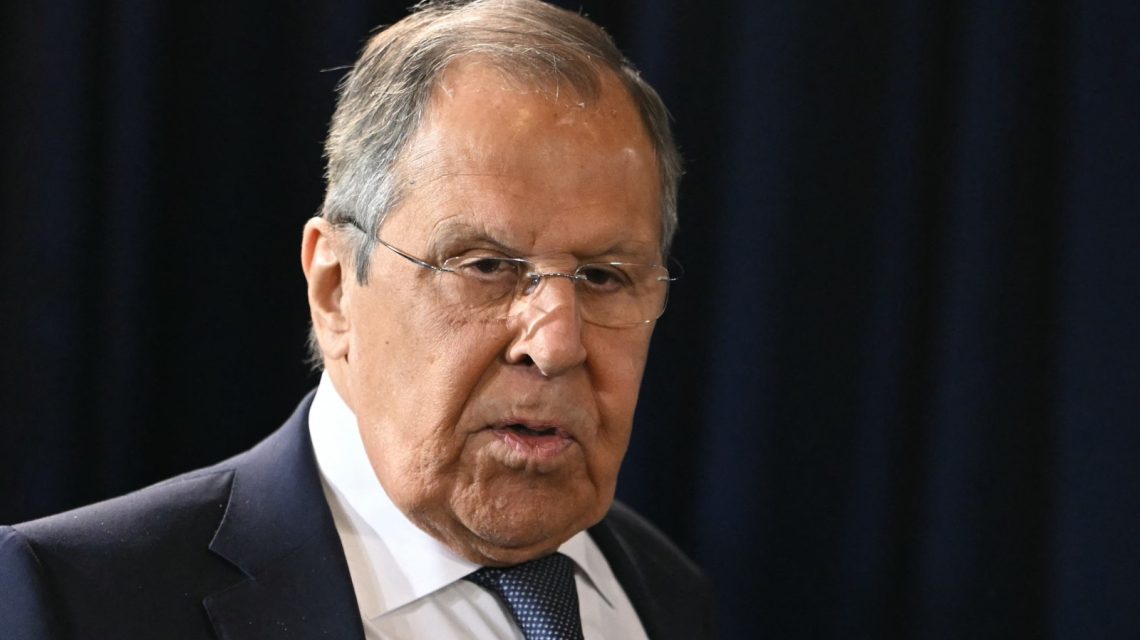
Russia remains guarded following the U.S.-Iran deal announcement by President Donald Trump. This agreement seeks to end extended conflicts. Foreign Minister Sergey Lavrov expressed hope for its formalization but indicated uncertainties remain.
The agreement aims to cease hostilities and reopen the Strait of Hormuz, a crucial trade route affected by recent strife. A formal signing in Switzerland is expected soon despite unresolved details.
Russia’s Reserved Response
Lavrov revealed that Moscow desires the framework agreement to evolve into a signed document. He stressed the necessity of translating political rhetoric into tangible actions.
“We hope everything announced today will be signed this week,” Lavrov stated, referencing statements from the U.S., Iran, and mediators, including Pakistan.
The foreign minister welcomed progress yet refrained from endorsing specific terms. He noted that enduring peace requires ongoing political will, warning that conflicts rarely resolve as quickly as breakthroughs suggest. This aligns with Moscow’s preference for diplomacy but skepticism about lasting agreements.
Diplomatic Discussions
The deal has become a topic in diplomatic channels between Washington and Moscow. Trump and Russian President Vladimir Putin discussed it in a phone call described by the Kremlin as “friendly” and “frank.” They addressed the U.S.-Iran memorandum and other international issues, highlighting Russia’s continued Middle East involvement.
The conversation underscores the geopolitical significance of the deal, affecting both U.S.-Russia relationships and broader regional dynamics.
Challenges from Israel
Despite the agreement between Washington and Tehran, uncertainty remains, partly due to Israel’s stance. Israel, not a party to the deal, has made clear it will not adhere to its terms. Israeli officials refuse to withdraw from southern Lebanon, where military action against Hezbollah poses a challenge.
Israeli strikes on Hezbollah positions nearly disrupted the agreement recently, with criticism from some Israeli politicians, like Finance Minister Bezalel Smotrich.
Even with U.S. and Iran compliance, Israeli actions against Hezbollah could prolong instability and limit the deal’s effectiveness.
Unresolved Issues
The memorandum sets a framework for ending conflict but defers critical issues like Iran’s nuclear program and sanctions to future talks, expected over the next 60 days. This allows a path to a fuller agreement but risks tension if expectations are unmet.
“What has been agreed upon is an important step toward stopping the war and beginning negotiations,” stated Iranian President Masoud Pezeshkian.
Russia’s Position
Russia’s cautious stance reflects its ties to Iran and consistent approach during the conflict. Moscow maintains strategic relations with Tehran while advocating for diplomacy over military action. Russia positions itself as an intermediary in discussions involving Iran and Western powers.
Lavrov’s comments align with this stance, promoting progress yet emphasizing the importance of implementation without committing to specific deal details.
Future Peace Prospects
As the agreement nears signing, Russia acknowledges the deal as progress towards ending the war, not a guarantee of lasting peace. Significant progress was noted by Russia’s foreign intelligence chief Sergei Naryshkin, though he cautioned about peace’s fragility.
“In short, peace is still fragile,” Naryshkin stated, adding that efforts by both sides and mediators provide potential grounds for restoring peace in the Middle East.
 Heroic Passengers Prevent Catastrophe on Flight 1073
 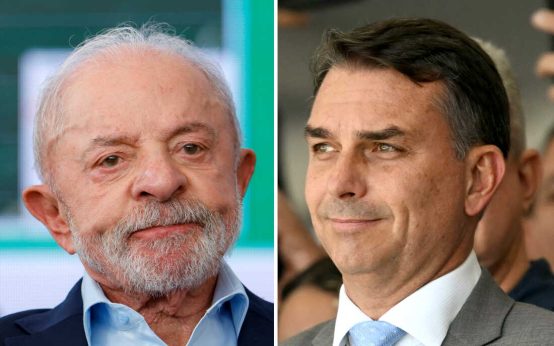 Brazil’s Presidential Race Heads to Runoff
  Israeli Prime Minister Calls for Comprehensive Security Review of Civil Flights
 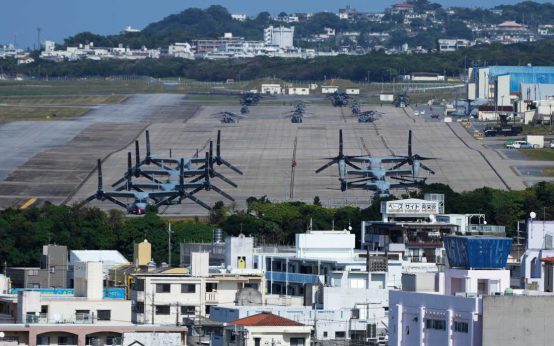 U.S. Marine Arrested in Okinawa for Alleged Murder and Robbery
  North Korea’s Missile Test and Its Implications
  Israel and Ireland Soccer Teams Display Tension in Nations League Match