
The 11th Our Ocean Conference took place in Mombasa, Kenya, highlighting the urgency to implement a critical treaty for ocean conservation. This was the first time an African nation hosted this annual event. The conference focused on ocean issues such as climate change, biodiversity, and pollution.
Delegates from Africa, the United States, European Union, and climate-vulnerable Caribbean and Pacific island nations participated. Leaders aimed to position Africa as a significant force in global ocean governance.
John Kerry, Former U.S. Secretary of State, emphasized the importance of the High Seas Treaty during the Commonwealth Ocean Ministers’ Roundtable. The treaty, effective since January after ratification by 60 countries, offers a legal framework for establishing protected areas in international waters.
Kerry noted that only 10% of the ocean is currently under protection, with merely 3% being highly or fully protected. He highlighted concerns about industrial fishing fleets exploiting the oceans, urging countries to ratify and implement the treaty swiftly. Key decisions on the treaty’s future will be made next year.
The Agreement on Biodiversity Beyond National Jurisdiction aims to protect 30% of the world’s land and oceans by 2030. Kenyan Cabinet Secretary for Maritime Affairs, Hassan Joho, stressed the need for governments to move from pledges to measurable actions benefiting communities, economies, and oceans.
Since 2014, the One Ocean Conference has fostered over 2,900 pledges worth more than $169 billion. Yet, effectively managing marine ecosystems remains a challenge.
The Commonwealth, with 56 member states, holds 36% of the world’s ocean jurisdiction and nearly half of its coral reefs, emphasizing its vital role in marine resource protection.
Africa is emerging as a leader in ocean conservation. Kerry commended African nations for advancing transboundary marine protection and praised commitments by eight Gulf of Guinea nations to manage their waters sustainably by 2030.
East African countries are adopting coastal management plans, expanding marine protected areas, and combating illegal fishing. Their fisheries and coastline support livelihoods through tourism and other sectors.
As talks proceed in Mombasa, the effectiveness of the new treaty as a transformative conservation tool remains in question.
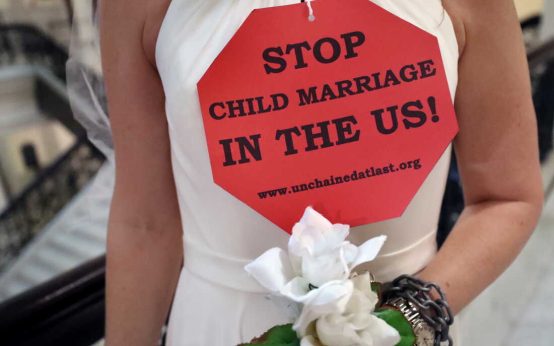 Activists Push for Nationwide Ban on Child Marriage in the U.S.
  Investigation into Alleged Incident at Cornell University
  Rising Drone Threats Highlight Vulnerabilities in Moldova’s Airspace Defense
 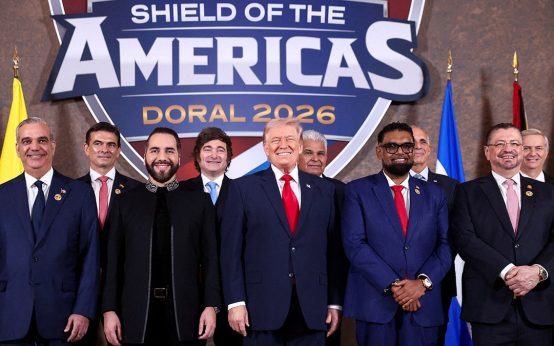 Bolivia Faces Security Test Amid Unrest
  Atlantic Ends September Without a Hurricane for First Time Since 1994
  Bobcat Sightings and Conservation Efforts in Illinois