
PHNOM PENH, Cambodia — Remnants of the once-thriving online scam industry are scattered throughout this Southeast Asian city. For over half a decade, this industry flourished until recent government crackdowns aimed to dismantle it. Luxurious high-rises overlooking the Mekong River now stand empty after police raids have driven out the illegal operations that once thrived there. Discarded boxes and Styrofoam litter the entrance of a branch of Prince Supermarket, linked to the Prince Holding Group, a conglomerate sanctioned by the U.S. for allegedly running large-scale scam operations.
The crackdown has led to another crisis: thousands of foreign workers who were brought to Cambodia by these scam operators now wander the streets of Phnom Penh. They were freed when the scam operations closed. NGOs, including Amnesty International, report that many of these workers were victims of human trafficking. Aid workers warn of a silent humanitarian crisis unfolding as these individuals find themselves abandoned with minimal options.
“The government has addressed only part of the problem,” says Mark Taylor, a consultant specializing in human trafficking. He highlights that many migrants were lured into the industry and are now vulnerable to further trafficking. A man who once worked in these compounds shared a phone image of the phones he used to recruit scam victims, marking the only evidence he retained.
Cambodia served as a hub for global online scams until external pressure led to a government crackdown last year. These scams involved convincing victims to invest in fraudulent schemes, leading them to believe in their profitability until their funds disappeared. The FBI calls them “pig-butchering” scams; such schemes defrauded Americans of over $20 billion last year, based on FBI’s Internet Crime Complaint Center data.
The operations ran on coercion. Dozens of interviewed migrants from countries like Indonesia, Uganda, Ghana, and Sierra Leone shared similar experiences. Promised decent wages and amenities, they ended up held against their will, compelled to meet strict scam quotas. Shuiab, a young Ugandan, was promised $850 monthly as a driver but found himself in a compound, forced into scamming Americans. Others, like Wilson, suffered harsh penalties for unmet quotas.
United Nations agencies and human rights organizations have long documented forced labor and torture within this sector. A report from Amnesty International highlighted the harsh realities faced by those released from these compounds, calling them victims of human trafficking.
Scams like those orchestrated by Prince Holding Group’s chairman, Chen Zhi, were massive operations. The U.S. sanctioned the conglomerate and extradited Chen, who faces legal challenges in U.S. courts. Cambodians, once powerful figures, are now facing legal action and deportations, leading to rapid shifts in the scam landscape.
Abandoned compounds dotted Cambodia’s landscape, some resembling self-contained cities complete with supermarkets, entertainment, and more. These closures released tens of thousands of migrants onto the streets, often without support or resources, according to aid workers. The government demands fines for visa overstays, which accumulate quickly, while embassies negotiate waivers.
NGOs report intensified detentions of migrants for violating visa terms, leading to overcrowded detention centers. Amnesty International criticizes the Cambodian authorities for treating former scam workers as irregular migrants rather than trafficking victims, often holding them without legal or consular access. Meanwhile, Interior Ministry spokesman Touch Sokhak claims the government has responsibly repatriated scam workers. However, reports from within detention centers paint a grim picture, with limited access to basic needs such as drinking water.
 Dutch Review Board’s Euthanasia Ruling and International Debate
  Israeli PM Commends Heroic Actions in Flight Emergency
  Rabbi and Jewish Leaders Criticize Adam Brody for ‘Genocide’ Comment
  Flydubai’s Emergency Landing Highlights Cockpit Security
  Former Israeli PM Naftali Bennett Commends Passengers and Crew for In-Flight Heroism
 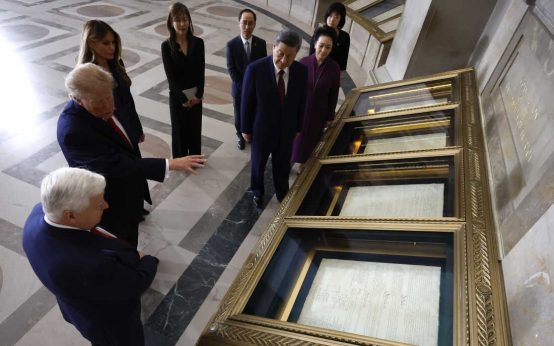 Diplomatic Complexities Unfold at U.S. National Archives Visit