
Keir Starmer Resigns Amid Party Mutiny
British Prime Minister Keir Starmer announced his resignation on Monday following internal dissent within his party. Starmer declared he would continue as prime minister until a new party leader is selected, likely by September. He opted not to contest to retain the job he secured nearly two years ago.
Andy Burnham, who secured a seat in Parliament last Thursday, is the favored candidate to succeed Starmer as leader of the Labour Party and prime minister. Burnham, previously the mayor of Greater Manchester, is regarded as Labour’s most popular politician after gaining 55% of the vote in a recent special election. His victory fueled his ambitions to replace Starmer.
Challenges During Starmer’s Tenure
Starmer’s office began with Labour’s triumph in the 2024 election, securing a majority in Parliament through only 34% of the vote. His time as head of Britain’s government reflected increasing political decline, leaving him with criticism of appearing weak and indecisive.
Despite his assurances to resist any leadership challenge, whether from Burnham or others, Starmer acknowledged the unavoidable political reality stemming from his unpopularity as prime minister. Details of Starmer’s departure from Downing Street remain unclear; however, he intends to open nominations for his replacement in July, with the process concluding around Parliament’s summer break.
Public Reaction and Future Plans
Starmer emotionally expressed his intent to focus on family life upon leaving office, appreciating his wife Victoria and his children for their support. He asserts that his actions were guided by prioritizing the country first, culminating in his decision to resign, which he’s already discussed with King Charles III.
Starmer highlighted his efforts to reform the Labour Party, although admitting that internal pressure for his resignation increased amidst political and economic struggles. The Labour Party experienced a significant loss of 1,500 seats on local councils in May, with many blaming Starmer for their dissatisfaction.
Political Dynamics and Speculations
Starmer’s resignation announcement and party mutiny have propelled Andy Burnham to the forefront of British politics. Burnham advocates for devolving more regional power, renationalizing utilities like water, and supporting housing initiatives. Despite such discussions, Burnham’s government is expected to pursue similar policies as Starmer’s administration.
Burnham’s charisma and personable style distinguish him, in contrast to Starmer, driving optimism among Labour members that Burnham could invigorate the party and capture public favor.
Political and Economic Climate in Britain
Investors have expressed concern over the ongoing political uncertainty in Britain, affecting its government bond market’s performance relative to its European counterparts. Historically fraught moments in British politics, including Brexit aftermath and recent election defeats, exemplify the volatility marking the political landscape.
The rise of anti-immigrant populism is emphasized in British politics, challenging the stability of traditional governance systems and exacerbating public discontent.
Andy Burnham’s Political Journey
Burnham’s political trajectory spans an impressive career as both mayor and Member of Parliament. Known for his engaging demeanor and advocacy during crises in Greater Manchester, Burnham emerged as “King of the North,” championing regional support during Covid-19 to challenge national policies.
His emphasis on addressing Britain’s regional disparities and the London-centric focus in politics reflects a strategic approach to enhancing voter engagement and representation.
As Burnham navigates political transitions, his focus on inclusivity and effective communication stands promising for his anticipated leadership.
 U.S. Monitors Potential Pneumonic Plague Case in Russia
  Heroic Passengers Prevent Catastrophe on Flight 1073
 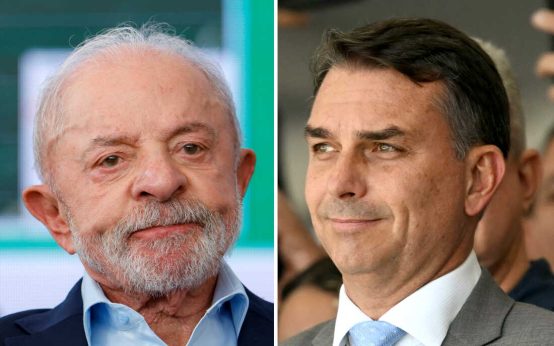 Brazil’s Presidential Race Heads to Runoff
  Israeli Prime Minister Calls for Comprehensive Security Review of Civil Flights
 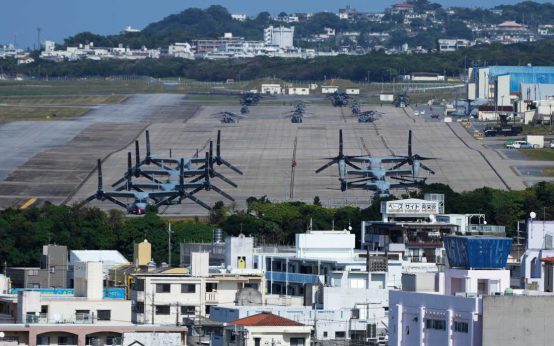 U.S. Marine Arrested in Okinawa for Alleged Murder and Robbery
 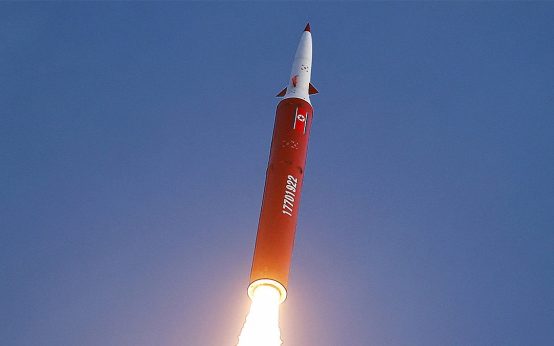 North Korea’s Missile Test and Its Implications