Summary of the Ruling: A federal judge has overturned six grand jury subpoenas issued by the Trump administration to Minnesota government offices. This decision affects the governor’s office and several local officials, including Gov. Tim Walz and Minneapolis Mayor Jacob Frey. Judge Patrick Schiltz declared the subpoenas unlawful and retaliatory, stating they aimed to pressure state officials into compliance with immigration enforcement after they filed a lawsuit to halt Operation Metro Surge.
The Legal Challenge: The subpoenas targeted offices such as the Minnesota governor’s office, attorney general, and mayors’ offices in an attempt to force cooperation with federal immigration efforts. Schiltz criticized the use of grand jury proceedings as a way to intimidate political figures into taking actions that the federal government cannot directly enforce.
Judge Schiltz’s ruling emphasized the unethical nature of using the grand jury process for political coercion. He questioned the legitimacy of the subpoenas, noting the Justice Department’s inability to provide a valid investigatory justification for them.
Reactions to the Ruling: Gov. Walz celebrated the decision, labeling it as a triumph for rule of law and democracy. As the 2024 Democratic vice presidential nominee, Walz condemned the investigations as politically motivated attacks on opponents. Minneapolis Mayor Frey criticized the subpoenas as retaliatory tactics against officials challenging ICE policies.
Both Walz and Frey strongly defended the democratic principle that elected officials have the right to speak out against government actions without fear of retribution. Attorney General Keith Ellison expressed concern over what he viewed as the weaponization of the criminal justice system against dissenters.
Implications for Democracy: Frey emphasized the importance of leaders being able to represent their constituents without fearing political backlash. He underscored the democratic value that allows officials to question those in power. The ability to criticize government actions without facing legal consequences is central to democratic governance.
A Department of Justice spokesperson did not provide immediate comments on the judge’s ruling. This decision marks a significant moment in the ongoing legal battles related to immigration enforcement and political dissent.
 Sen. Cotton Opposes Permanent Daylight Saving Time
  Steve Hilton’s Latino Outreach and Gubernatorial Ambitions
  The Need for Reform in Presidential Nominations
  Controversy Surrounds Performances at Gillette Stadium
  Celebrity Controversies Over Political Activism and Speech
 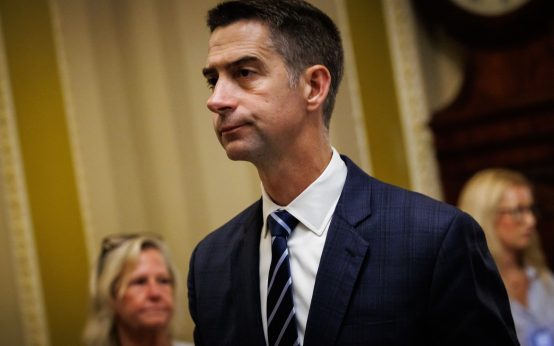 Trump Pushes for Permanent Daylight Saving Time, Sharing Senator’s Contact Information