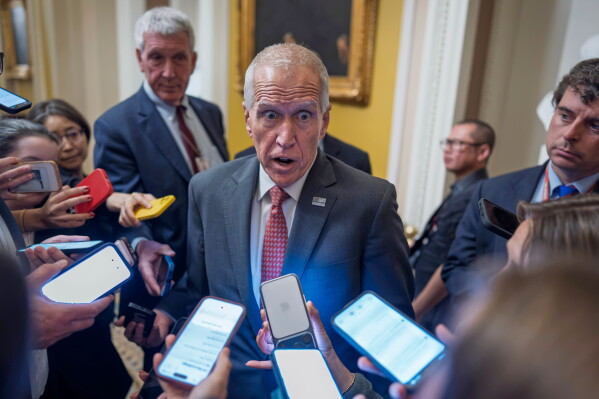
U.S. President Donald Trump and Vice President JD Vance announced an interim agreement aimed at ending the conflict with Iran, claiming it will result in significant financial benefits for American farmers. However, Iranian officials have dismissed these assertions, leading to confusion about how Iranian assets, frozen by U.S. sanctions for years, would be redirected to benefit American agriculture.
The tentative deal, reached last week, proposes to reopen the Strait of Hormuz, a critical route for global oil and natural gas, allowing Iran to freely sell its oil for a 60-day period while discussions on key issues continue. The agreement also suggests unfreezing Iranian assets, yet details remain unclear.
Critics argue the deal fails to address the issues that prompted the war with Iran on February 28, such as Tehran’s nuclear projects, its missile development, and its support for groups like Hezbollah and Hamas. Trump defended the arrangement on his Truth Social platform, touting the U.S. farmers’ windfall. He stated that the U.S. Treasury would control the release of Iranian assets into escrow, earmarked exclusively for purchasing U.S. food and medical supplies, citing American crops as essential for Iran.
Despite Trump’s assurances, Iranian representatives deny that U.S. agricultural purchases are part of the agreement. Iranian Foreign Ministry spokesperson Esmail Baghaei insists that agricultural deals will be determined by price and quality rather than U.S. terms. Iran’s ambassador in Geneva, Ali Bahreini, stated that Iran alone will decide the use of its unfrozen assets, contradicting U.S. and Qatar’s involvement.
A U.S. official dismissed these contradictions, suggesting Iranian leaders are posturing for their domestic audience. This official chose to remain anonymous due to authorization constraints.
Joseph Glauber of the International Food Policy Research Institute highlighted Iran’s reliance on multiple agricultural trading partners, including Brazil, India, and the EU. He suggested that enforcing U.S. purchases could upset these international relationships.
Historically, the U.S. mandated that revenues from Iranian exports be held in escrow, released only for non-sanctioned goods, such as food and medicine, pending U.S. Treasury approval. Recently, the Treasury approved the sale of Iranian oil and petrochemicals until August 21, without escrow account mentions.
Richard Goldberg from the Foundation for Defense of Democracies sought clarification on whether Iran is only permitted to purchase U.S. agricultural products. In contrast, Richard Nephew from Columbia University’s Center on Global Energy Policy noted the uncertainty over American influence in directing Iranian asset usage towards U.S. farms. Though the U.S. could instruct foreign banks to handle funds only through U.S. banks, enforcement may prove challenging.
In conclusion, it remains uncertain how the U.S.-Iran agreements will specifically translate into financial gains for American farmers amidst differing statements from both sides.
 Sen. Cotton Opposes Permanent Daylight Saving Time
 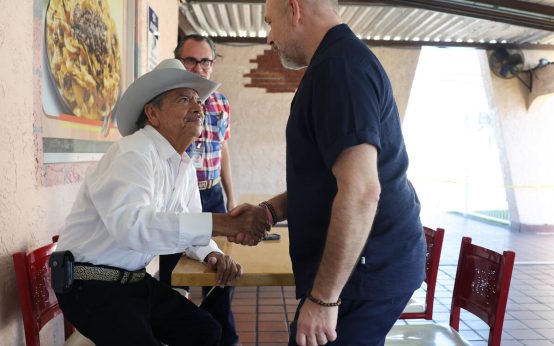 Steve Hilton’s Latino Outreach and Gubernatorial Ambitions
 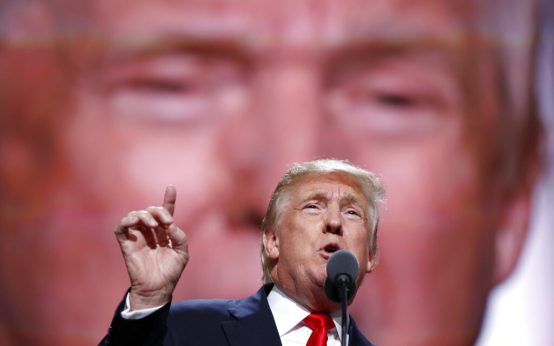 The Need for Reform in Presidential Nominations
  Controversy Surrounds Performances at Gillette Stadium
 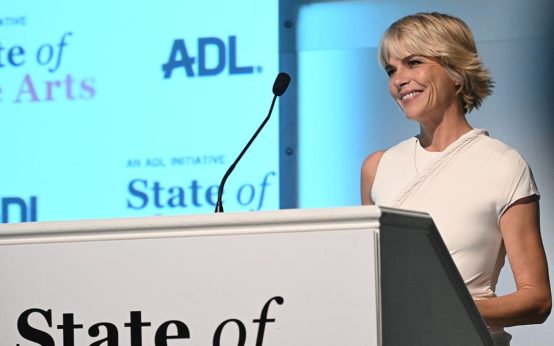 Celebrity Controversies Over Political Activism and Speech
  Trump Pushes for Permanent Daylight Saving Time, Sharing Senator’s Contact Information