
Two U.S. envoys reached Qatar on Tuesday to discuss the execution of an initial agreement aimed at ending the war in Iran. This information was confirmed by an official source. The envoys, Steve Witkoff and Jared Kushner, have been involved after recent confrontations in the Persian Gulf over efforts to reopen the Strait of Hormuz for shipping.
According to Majed al-Ansari, a spokesperson for Qatar’s Foreign Ministry, the U.S. envoys will not engage in direct talks with Iranian diplomats during their visit to Doha. Instead, mediators will temporarily facilitate the discussions, which will not involve senior officials.
Al-Ansari noted that indirect negotiations have previously taken place between Iran and the U.S. Two earlier rounds of discussions failed, leading to the 12-day war initiated by Israel against Iran in 2025 and the recent Iran war. He stated, “We’re not expecting any high-level Iranian officials at the moment, but as I said, the technical meetings are ongoing and haven’t stopped since then.”
This week, Iran is sending its delegation to Qatar. Iranian Foreign Ministry spokesman Esmail Baghaei mentioned that Iran has no plans to meet with the U.S. at any level in the immediate days. He explained that discussions with Qatari representatives will focus on implementing sections of the memorandum of understanding, including releasing Iran’s blocked assets.
The U.S. and Iran reached an interim deal earlier this month requiring Tehran to decrease its enriched uranium stockpile. The deal also lifts U.S.-backed oil sanctions, allows free passage through the Strait of Hormuz, and provides a 60-day period for broader agreements.
Before the conflict erupted on February 28, the Strait of Hormuz accounted for the transport of a fifth of the world’s oil. Attacks and threats from Iran halted cargo ships and tankers in the strait, causing a global energy crisis. Despite being in Iran and Oman’s territorial waters, the strait has long been recognized as an international waterway.
Recently, both parties exchanged strikes while trying to open Oman’s territorial waters for both inbound and outbound traffic from the Persian Gulf. These actions have raised concerns about potential disruptions to the ongoing war negotiations.
Iran attacked vessels in the strait twice, including a tanker carrying Qatari crude, prompting retaliatory American airstrikes. Furthermore, Iran launched drone and missile attacks targeting Bahrain and Kuwait on Sunday.
 Venezuelan Authorities Release 131 Political Detainees
  The Complex Legacy of Jason Arday
 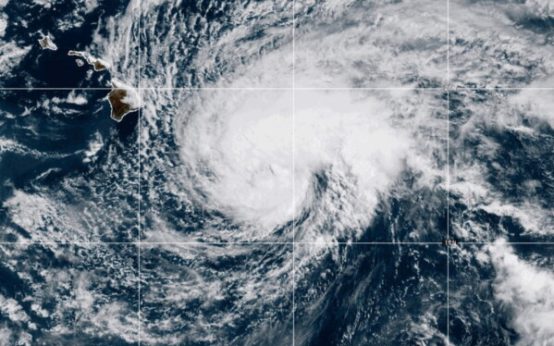 Tropical Storm Lala Threatens Hawaii with Hurricane Potential
  Taliban Leaders Mark Five Years in Power Amid Human Rights Crisis
  Cuba Facing Economic Siege Amid U.S. Sanctions
  France’s Constitutional Council Rejects Social Media Ban for Children Under 15