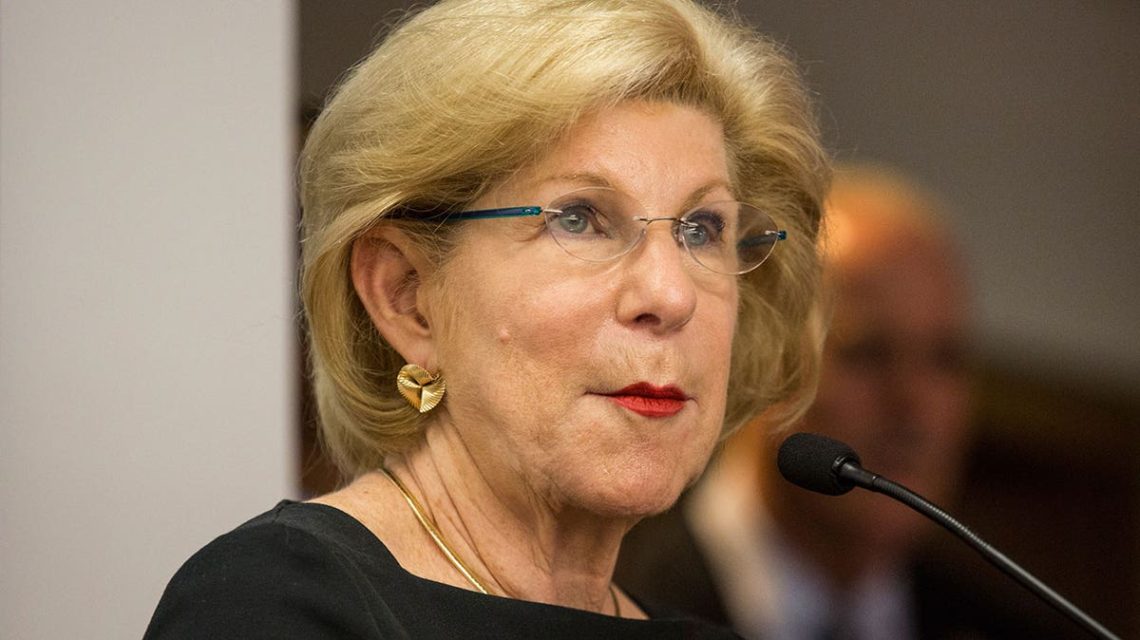
NPR’s legal affairs correspondent Nina Totenberg surprised the media sector with an erroneous report on Tuesday, stating that Supreme Court Justice Samuel Alito intended to retire. This misstep is not Totenberg’s first encounter with controversies. She has been in journalism for over fifty years. The 82-year-old journalist quickly replaced the story titled ‘Justice Samuel Alito, who wrote the opinion overturning Roe v. Wade, retires,’ with an editor’s note acknowledging it was mistakenly published. Totenberg, who attempted to explain the mix-up on ‘All Things Considered,’ has a history of blunders and contentious moments.
Totenberg’s career faced a setback in 1972 when she worked as a staff writer for the National Observer, which later closed. She was terminated for plagiarism—an incident detailed by the Columbia Journalism Review (CJR) in 1995. Totenberg copied several paragraphs and verbatim quotes from the Washington Post regarding Thomas P. O’Neill, then-incoming majority leader, without crediting the Post. ‘I should have been punished,’ Totenberg admitted in retrospect to CJR, emphasizing that young reporters should learn from their mistakes.
In 1987, Totenberg’s coverage of then-Supreme Court nominee Douglas Ginsburg ruffled feathers when Legal Times reporter Aaron Freiwald claimed that her report, which accused Ginsburg of resume embellishment, closely resembled information he shared with her without receiving credit. Vanity Fair reported on Freiwald’s discontent during that time.
Five years later, Vanity Fair noted a tough week for Totenberg following criticism from Republicans for revealing segments of Anita Hill’s confidential affidavit. Hill had accused Supreme Court nominee Clarence Thomas of sexual harassment. Senator Alan Simpson harshly criticized Totenberg’s ethics on ‘Nightline,’ calling her reporting ‘absurd’ and questioning her objectivity. This episode led to a media dispute with Washington reporters.
In 1995, Totenberg faced backlash for a comment suggesting that Senator Jesse Helms, who wanted to cut AIDS research funding, might face retributive justice by contracting AIDS through a transfusion. Totenberg expressed regret a decade later, acknowledging it as a ‘stupid remark.’
After Justice Ruth Bader Ginsburg’s passing in 2020, Totenberg drew scrutiny for revealing a close friendship with the late justice in an obituary for NPR. The Washington Post’s Paul Farhi explored whether Totenberg’s personal ties to someone she covered created a conflict of interest. Totenberg’s friendship with Ginsburg was not usually disclosed in her numerous Supreme Court reports, raising concerns about impartiality.
Poynter Institute’s media writer Tom Jones critiqued the friendship, arguing it compromised journalistic integrity. He stated that Totenberg should have stepped back from covering Ginsburg or the Supreme Court.
Totenberg was involved in another report about Justice Neil Gorsuch not wearing a mask during the COVID-19 pandemic, despite requests from Justice Sonia Sotomayor. The NPR piece cited ‘court sources’ and claimed that Chief Justice John Roberts ordered masking in response to the omicron variant, pointing to Sotomayor’s concerns for safety due to her diabetes. Totenberg’s report suggested that Gorsuch did not comply, causing Sotomayor to work remotely. Although Fox News’ Shannon Bream disputed the accuracy of this report, stating there was no request or refusal, NPR supported Totenberg’s reporting despite denials from both Sotomayor and Gorsuch.
 Controversy Unfolds as Broadcaster is Let Go Over Old Tweets
  Kushner Criticizes CNN Article Over Claims of Conflict of Interest
  Journalist Clarifies Involvement After Hot Mic Incident
  Fox News Maintains Top Position on YouTube and Social Media
  Cornel West and Sean Hannity Discuss Differences on Podcast
  Fox News Leads in Viewership Ahead of 30th Anniversary